
Last Updated on 14 September 2026:
Cycling can be a practical way to support emotional wellbeing alongside its obvious physical benefits. Whether you ride alone for headspace, with others for connection or towards a personal goal, cycling for mental health can help build calmer, more resilient routines. This article explores the evidence-informed reasons riding can be good for the mind as well as the body.
Covered in this blog
- Cycling for mental health
- Connection with nature
- Social interaction
- Physical health benefits
- Goal setting and achievement
- Mindfulness and awareness
- A tool for everyone
Cycling for mental health
Cycling is a unique exercise that combines physical activity with the opportunity for introspection or active mindfulness. The repetitive action of pedalling helps establish a meditative state, fostering a sense of calm and reducing the frequency of stress-related thoughts. A study from the Journal of Clinical Medicine in 2019 highlighted that regular aerobic exercise, like cycling, significantly reduces symptoms of depression in adults by promoting neural growth, reducing inflammation, and increasing feelings of calmness through the release of endorphins.
Connection with nature
Engaging with the outdoors while cycling can amplify its mental health benefits. Research indicates that green exercise, which involves physical activity in the presence of nature, can lead to reductions in stress, anger, fatigue, and confusion, while enhancing mood and self-esteem. Cycling outdoors, especially in green settings, not only improves physical health but also contributes significantly to psychological healing and emotional recovery.
Social interaction
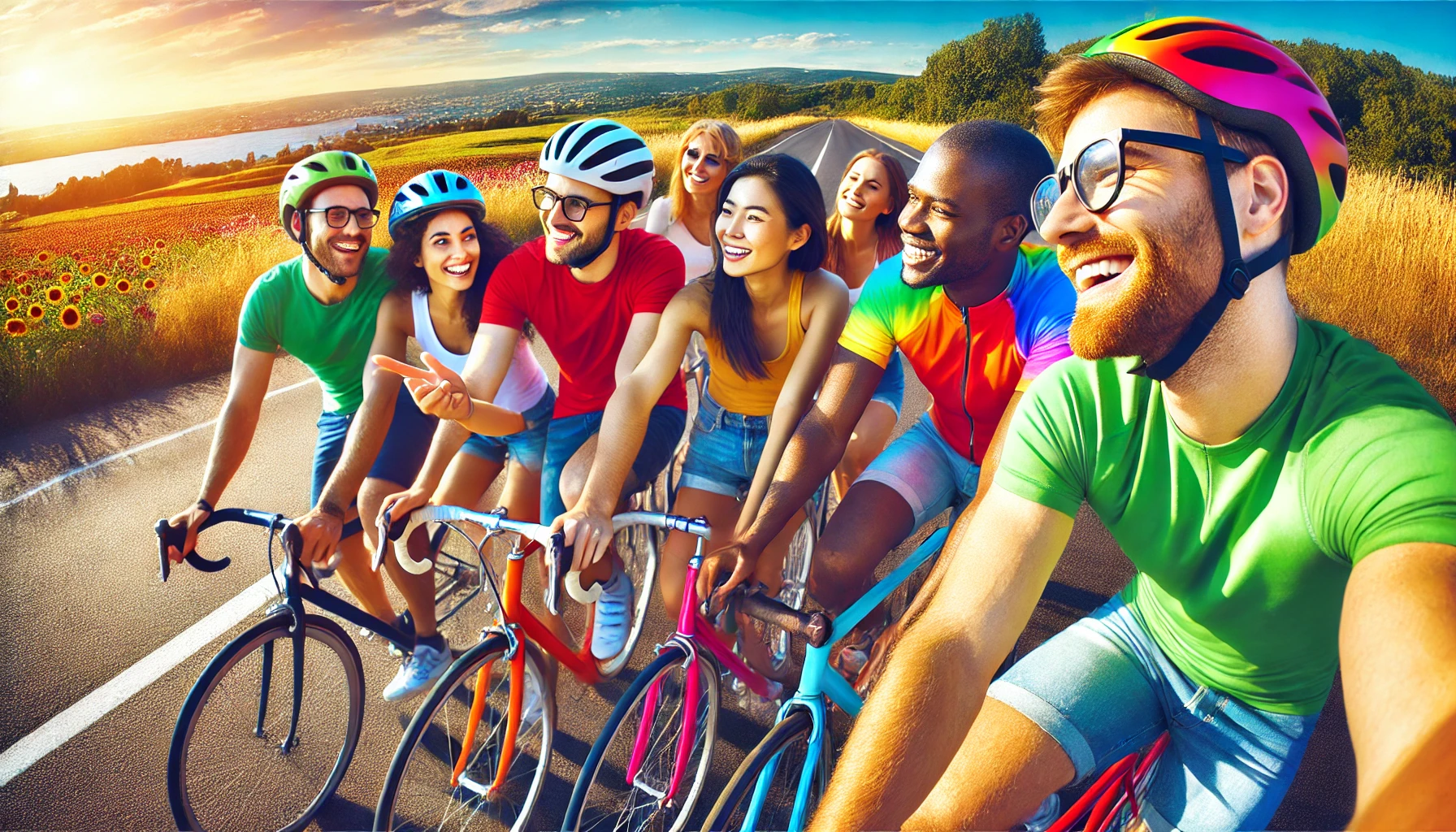
Cycling doesn’t have to be a solitary activity. Participating in cycling groups can enhance feelings of social support and connectedness. According to a some studies, group exercise participants experienced a 26% decrease in stress and a 26% increase in physical, mental, and emotional quality of life compared to those exercising alone, suggesting that the social aspects of cycling can be as beneficial as the physical ones.
Physical health benefits
The link between physical and mental health is well-documented, with exercise being a cornerstone of preventive healthcare. Cycling, in particular, boosts cardiovascular health, regulates weight, and enhances overall fitness, which are essential for good mental health. A comprehensive review in The Lancet Psychiatry (2018) found that individuals who regularly engaged in physical exercise had fewer days of poor mental health compared to those who didn’t exercise, highlighting the importance of activities like cycling for maintaining mental wellness.
Goal setting and achievement
Setting and achieving goals in cycling can provide a significant mental boost. The satisfaction that comes from achieving cycling goals can lead to improvements in self-esteem and personal beliefs about one’s abilities, known as self-efficacy. A study in The Sport Psychologist (2017) found that goal achievement through sports participation is linked to higher levels of self-esteem and reduced anxiety, suggesting that the goal-oriented nature of cycling can have profound mental health benefits.
Mindfulness and awareness
Cycling promotes a heightened state of awareness and presence, which is akin to mindfulness. This focus on the present moment can decrease the prevalence of stress-provoking thoughts and enhance overall mental resilience. Research from Mindfulness (2016) shows that engaging in mindfulness practices can significantly reduce symptoms of anxiety and depression, and cycling’s inherent requirement for focus and awareness can naturally cultivate this beneficial mental state.

Cycling for mental health: A tool for everyone
Cycling’s accessibility makes it a versatile option for mental health management. With various forms available—from leisurely rides to intense road biking—cycling can be tailored to individual preferences and fitness levels, making it an inclusive and adaptable exercise option. A British Medical Journal study (2020) confirms that lower-intensity physical activities, like casual cycling, are just as effective as intense physical activities in improving mental health outcomes, emphasising cycling’s suitability for a broad audience.
Summary
Cycling can be a valuable part of a wider approach to wellbeing, whether your aim is more headspace, social connection or the confidence that comes from progressing towards a goal. If you would like support building a sustainable riding routine around your own goals, Book a Free Consultation.
References
- Schuch et al. (2019), Physical activity and incident depression, Journal of Clinical Medicine.
- Barton & Pretty (2010), What Is the Best Dose of Nature and Green Exercise for Improving Mental Health?, Environmental Science & Technology.
- Chekroud et al. (2018), Association between physical exercise and mental health in 1.2 million individuals in the USA, The Lancet Psychiatry.