Last Updated on 18 September 2026:
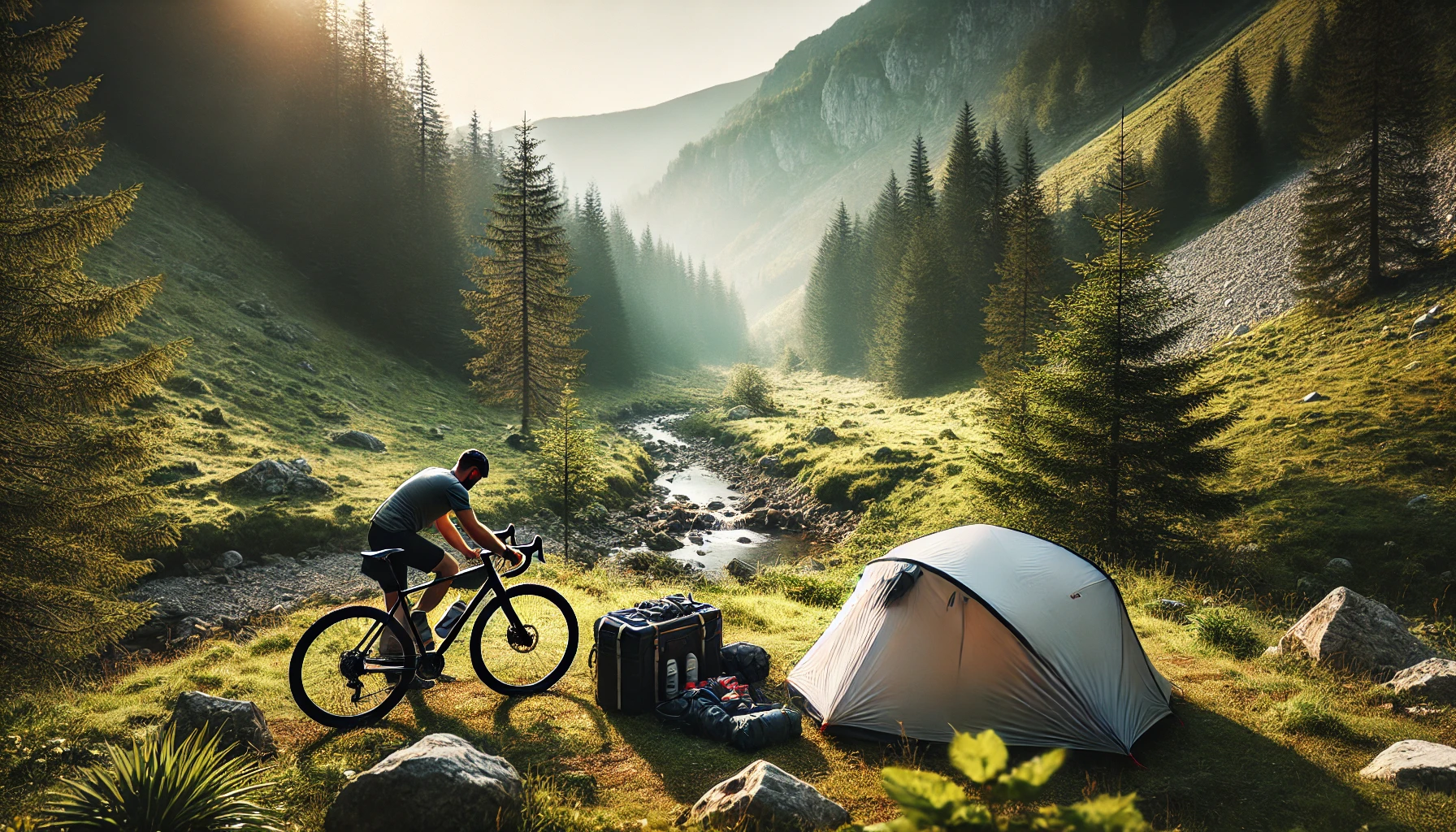
Adventure cycling lets you travel beyond familiar roads, carrying what you need to explore at your own pace. Whether you are planning an overnight route, a multi-day gravel ride or a remote off-road trip, this guide to adventure cycling covers the bike, gear, preparation and trail awareness needed to get started.
Covered in this blog
- What is adventure cycling?
- Core aspects
- Choosing the right adventure cycling bike
- Types of bike
- Essential features to consider
- Essential gear and equipment for adventure cycling
- Navigation and compass
- Camping and overnight gear
- Clothing and personal care
- Repair kits and tools
- Adventure cycling training and preparation
- Training tips
- Preparation checklist
- Adventure cycling safety and etiquette
- Safety protocol
- Trail etiquette
- Summary
What is adventure cycling?
Imagine setting out on a journey where each turn brings a new vista, each hill a new challenge, and each destination a new discovery. That’s the essence of adventure cycling. It’s not just about cycling; it’s about embarking on a journey that tests your limits and expands your horizons. This form of cycling combines elements of touring, mountain biking, and backpacking, offering a versatile and enriching way to travel.
Core aspects
- Exploratory spirit: Adventure cycling is all about exploring places beyond the reach of traditional cycling paths, embracing both paved routes and rugged trails.
- Self-sufficiency: This style of cycling encourages carrying all you need to be autonomous, from food and water to camping gear and repair kits.
- Diverse environments: From forested pathways to arid deserts, adventure cycling routes vary widely, offering endless landscapes to traverse.
Choosing the right adventure cycling bike
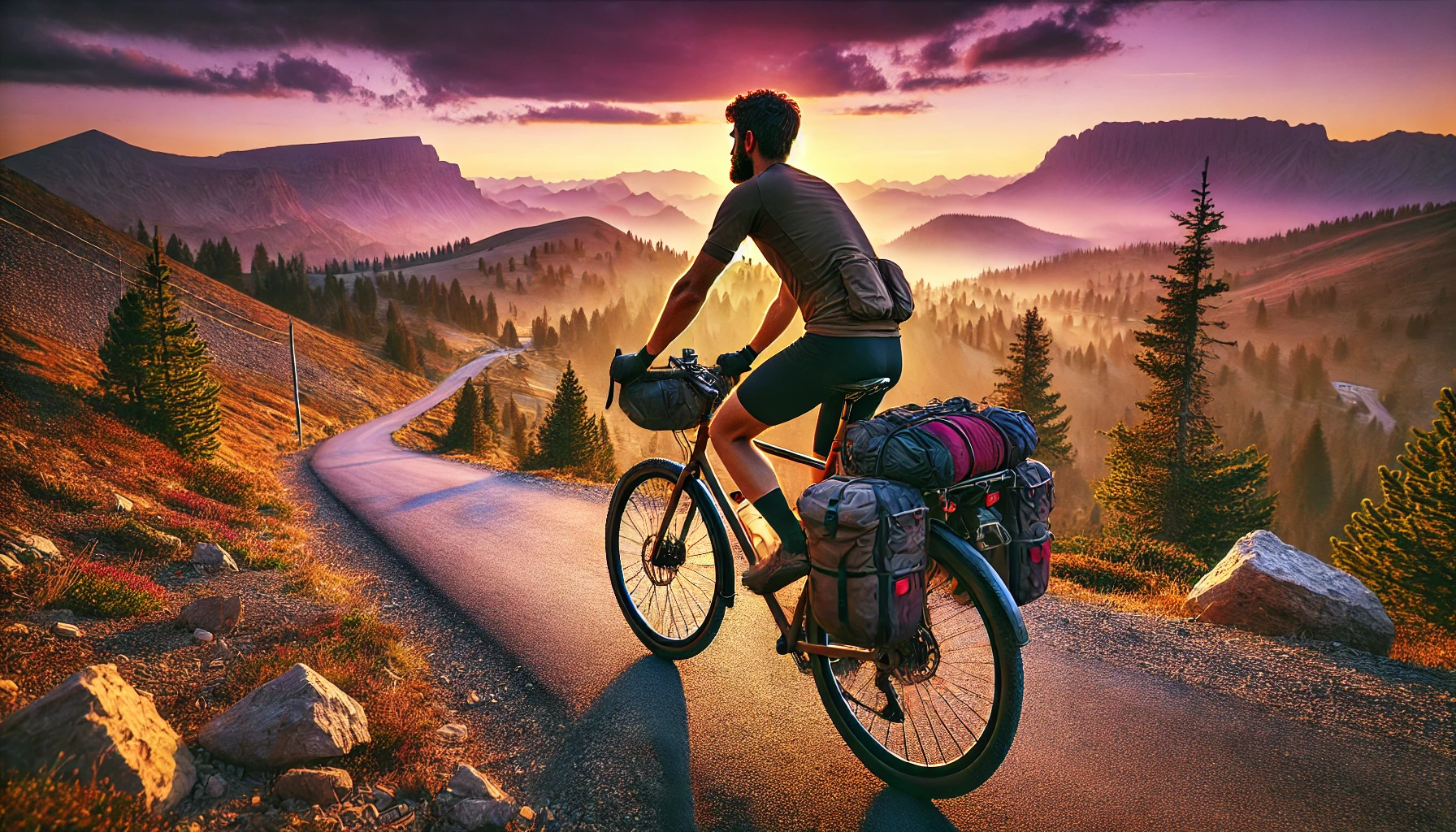
Selecting the right bike for adventure cycling is crucial; it’s the difference between an enjoyable journey and a logistical challenge. The ideal bike is robust, comfortable, and capable of carrying loads over mixed terrain.
Types of bikes
- Touring bikes: These bikes are designed for comfort on long rides over paved or well-maintained gravel roads. They feature heavy-duty frames and wheels, multiple attachment points for cargo, and a geometry that promotes an upright riding position for comfort.
- Gravel bikes: As the all-rounders of the adventure cycling world, gravel bikes are built to handle a mix of surfaces. They are lighter than touring bikes but still robust enough to carry gear over long distances. Their versatility makes them a popular choice for riders who encounter varied terrain.
- Mountain bikes: When the trail turns technical, mountain bikes shine. They’re equipped with features like suspension systems and aggressive tire treads to handle rough terrain, making them ideal for the most adventurous off-road trails.
Essential features to consider
- Frame material: The choice of material impacts the bike’s weight, durability, and how it absorbs road vibrations. Steel frames offer resilience and comfort, aluminum frames are light yet stiff, and carbon frames provide the best in weight reduction and vibration damping.
- Wheel size and tyres: The size of the wheels and the type of tyres directly affect the bike’s ability to navigate different terrains. Larger wheels (29 inches) maintain momentum better and roll over obstacles more smoothly, while wider tires provide crucial traction on loose surfaces.
- Gearing options: Adequate gearing is vital for tackling diverse terrains, especially under the load of gear. Bikes with a wide range of gears allow for easier climbing and efficient speed control across flat areas.
- Braking system: Reliable brakes are a must, particularly for downhill and wet conditions. Disc brakes offer superior performance in various weather conditions and are standard on most adventure bikes today.
Essential gear and equipment for adventure cycling
The right gear can make a significant difference in your adventure cycling experience, ensuring you’re prepared for whatever the journey throws your way.
Navigation and communication
- GPS device: A robust GPS device is crucial for route tracking and navigation.
- Maps and compass: Always carry physical maps and a compass as reliable backups to technology.
Camping and overnight gear
- Lightweight tent: Your tent is your shelter, so choose one that’s light enough to carry but robust enough to withstand the elements.
- Sleeping bag and pad: Opt for a sleeping bag suitable for the climate and a compact, inflatable pad for comfort.
Clothing and personal care
- Layered clothing: Weather can change rapidly, so layered, breathable clothing is essential.
- Durable cycling shoes: Choose shoes that provide comfort on the bike and traction off it, especially if your route includes hiking sections.
Repair kits and tools
- Multi-tool with bike functions: A multi-tool that includes Allen keys, screwdrivers, and a chain tool.
- Spare parts and maintenance items: Include spare tubes, a tyre patch kit, extra chain links, and brake pads.

Adventure cycling training and preparation
Proper training and preparation are crucial for a successful adventure cycling trip. Start with shorter rides to get used to the bike’s weight and handling, especially when loaded with gear. Gradually increase the distance and complexity of your rides to build endurance and confidence.
Training tips
- Increase endurance gradually: Extend the length and intensity of your rides over time to build stamina.
- Practice with gear: Ride with the gear you plan to carry to get used to the added weight and how it affects your balance and stamina.
Preparation checklist
- Physical readiness: Build endurance through consistent training.
- Equipment familiarity: Know how to use and repair each piece of your gear, especially in adverse conditions.
Adventure cycling safety and etiquette
When embarking on an adventure cycling trip, maintaining high safety standards and respecting the rules and etiquette of the trails are paramount.
Safety protocols
- Wear a helmet: Always protect your head with a helmet.
- Emergency kit: Include a first aid kit, emergency blanket, and if traveling in remote areas, a personal locator beacon.
Trail etiquette
- Respect other trail users: Share the path respectfully, whether it’s with hikers, other cyclists, or wildlife.
- Leave no trace: Minimize your impact on the environment by following ‘Leave No Trace‘ principles.
Summary
Adventure cycling rewards sound preparation, sensible self-sufficiency and respect for the places you ride. If you would like support building the fitness and confidence for your next trip, Book a Free Consultation.