Last Updated on 18 September 2026:
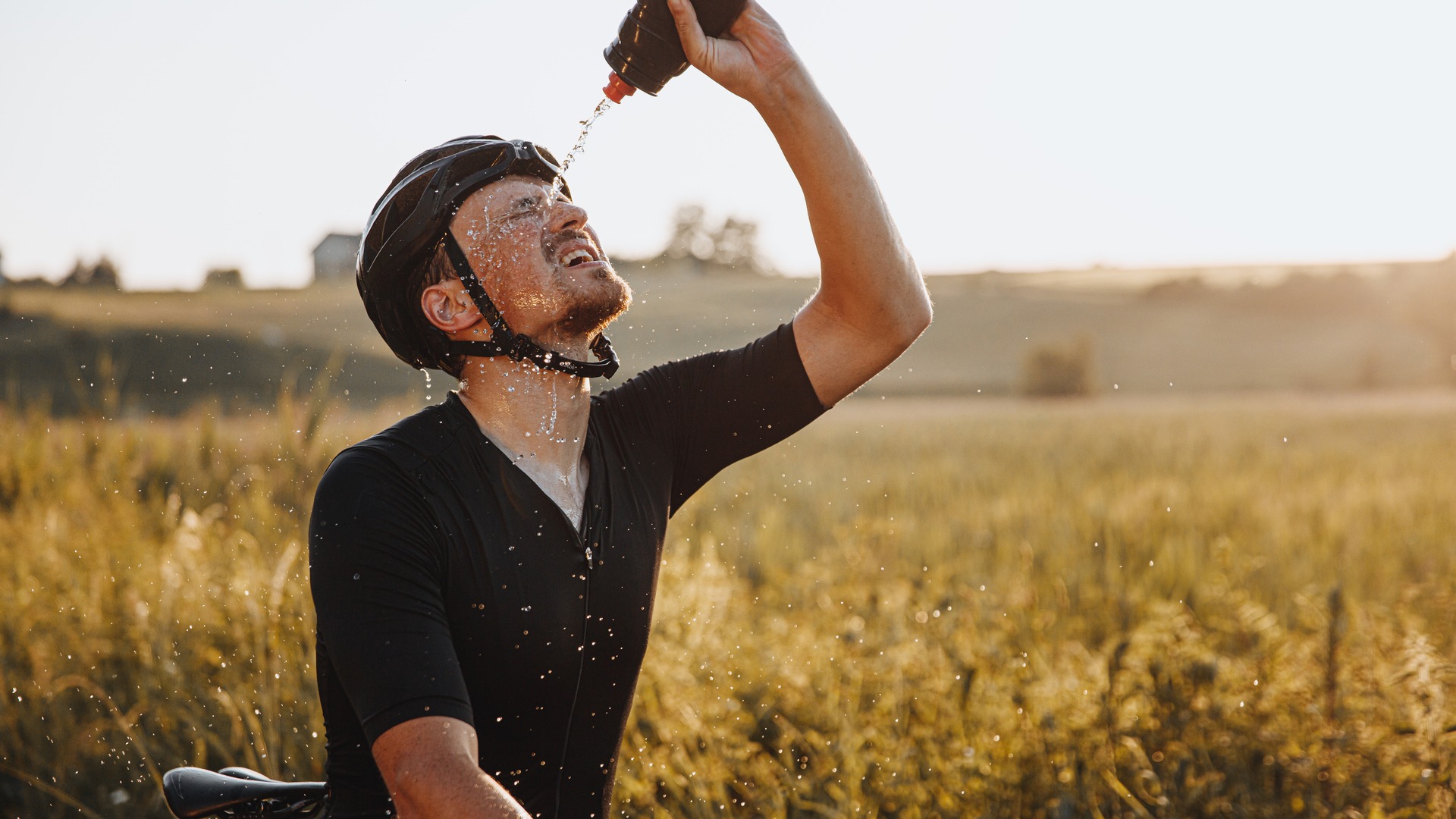
Cycling in hot weather, or indoors with limited air flow, can quickly make a hard session more taxing. Learning how to keep core temperature down can help you manage effort, reduce heat strain and get more from hot rides or indoor training. The practical strategies below cover what to do before, during and after your session.
Covered in this blog
- Why core temperature matters
- How to measure core temperature
- Practical ways to keep core temperature down
- Pre-cooling
- Cooling during training
- Post-cooling and recovery
- Tips for indoor training
- Summary

Why core temperature matters
Core temperature is essentially the temperature of your internal organs and tissues. For athletes, maintaining a stable core temperature is essential because:
- Heat limits performance: High temperatures can reduce your body’s ability to sustain intense efforts. As core temperature rises, the brain signals your body to slow down to prevent heat-related injuries, lowering power output and affecting endurance.
- Risk of heat illness: High core temperatures can lead to heat-related illnesses, such as heat exhaustion and, in extreme cases, heat stroke. Symptoms include dizziness, confusion, nausea, and loss of consciousness—an obvious hazard when you’re out on the road.
- Cardiovascular strain: Cycling in the heat adds extra strain on the cardiovascular system. As you sweat to cool down, your blood thickens, making it harder for your heart to pump efficiently. This increases heart rate and can result in premature fatigue.
- Recovery impact: Overheating during exercise can make recovery more difficult. Elevated core temperatures post-ride can interfere with sleep, muscle repair, and the effectiveness of recovery protocols.
In short, keeping your core temperature within a manageable range helps sustain performance, reduces health risks, and improves overall training quality and recovery.
How to measure core temperature
Measuring core temperature can be tricky. Unlike heart rate or power, which is easily monitored with a chest strap or meter, core temperature often requires specialised equipment. However, there are a few accessible methods to get an idea of your body’s heat response:
- Thermometer pills: These are ingestible capsules with a sensor that transmits data to a wearable device, offering an accurate reading of your core temperature. They’re commonly used in sports research but can be pricey and aren’t practical for daily use.
- Skin temperature wearables: Some wearables track skin temperature, but they don’t provide a direct measurement of core temperature. However, skin temperature readings can give you a rough idea of how hot you’re running and whether cooling measures are helping.
- Perceived exertion and sweat rate: Often, perceived exertion and how much you’re sweating can serve as practical indicators. If you feel unusually fatigued or find that you’re sweating excessively early into the session, your body is likely struggling to manage heat.
- Heart rate drift: Monitoring heart rate drift (an increasing heart rate for a steady power output) can also give insight into rising core temperature. As you overheat, your heart rate will typically increase even if power remains constant.
While precise core temperature measurement may be impractical for most athletes, using these indirect indicators can help you gauge when to implement cooling strategies.
Practical ways to keep core temperature down
When it comes to lowering core temperature, a mix of pre-ride, during-ride, and post-ride strategies can be very effective. Here are some proven techniques:
Pre-cooling
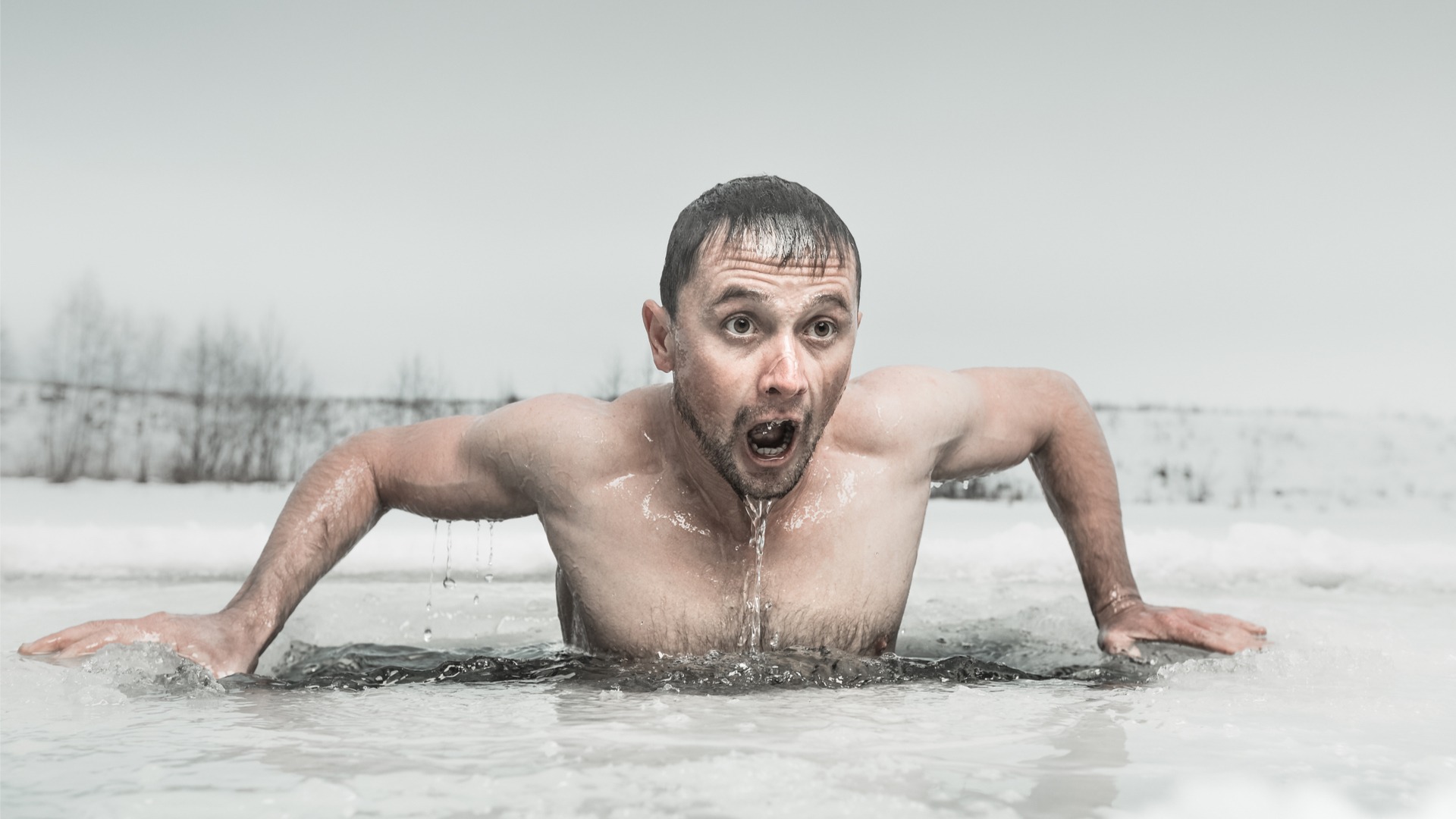
- Cold showers or ice baths: Taking a cold shower or short ice bath before heading out helps reduce your baseline body temperature, allowing more time before your core temperature reaches critical levels.
- Ice vests: Wear an ice vest for 10-20 minutes before you start riding. It lowers skin temperature, which in turn delays the onset of increased core temperature.
- Cold beverages: Drinking a chilled sports drink or ice-slurry (blended ice with drink mix) 15-20 minutes before starting helps lower core temperature and provides a cooling buffer. Studies have shown ice-slurry drinks can delay the onset of heat strain by up to 20 minutes.
Cooling during training
- Hydration with electrolytes: Staying hydrated is crucial, as dehydration exacerbates overheating. Use an electrolyte mix to maintain fluid balance, especially on longer rides.
- Cold fluids and ice socks: Pack your bottles with ice and use insulated bottles to keep them cool longer. If possible, bring an ice sock (a small stocking or cloth filled with ice) to place on your neck during breaks, as it cools blood flow to the brain.
- Wear lightweight, breathable clothing: Opt for moisture-wicking, breathable fabrics that encourage sweat evaporation, helping your body cool down naturally. Avoid dark colors, which absorb more heat.
- Use a water sprayer: Spraying water on your arms, legs, and face intermittently during the ride can aid in evaporative cooling. For indoor rides, keep a spray bottle nearby, especially if air flow is limited.
- Optimise air flow: If riding indoors, use multiple fans to create air flow and aid sweat evaporation. Place one fan at face level and another angled towards your core and legs to ensure maximum coverage.
- Control effort and pace: Adjusting your intensity during peak heat can help manage core temperature. Consider timing intervals for cooler parts of the day (morning/evening) when possible, and use steady pacing to avoid sudden spikes in body heat.
Post-cooling and recovery
- Cool-down phase: Take a few minutes at a lower intensity as you finish your ride, helping bring your core temperature down gradually.
- Ice bath or cold shower: Post-ride cold immersion can accelerate recovery and normalise core temperature. Aim for 5-10 minutes in an ice bath or a longer cold shower to cool down muscles and reduce inflammation.
- Rehydrate with cold fluids: Opt for cold water or electrolyte drinks immediately after riding to replenish fluids and cool down internally.
- Rest in a cool environment: After your ride, seek out a cool, shaded place to rest. This prevents heat buildup and encourages faster recovery.
- Cooling compression garments: Some athletes use cooling sleeves or compression gear post-ride. These can help with muscle recovery while keeping body temperature lower.
Tips for indoor rides
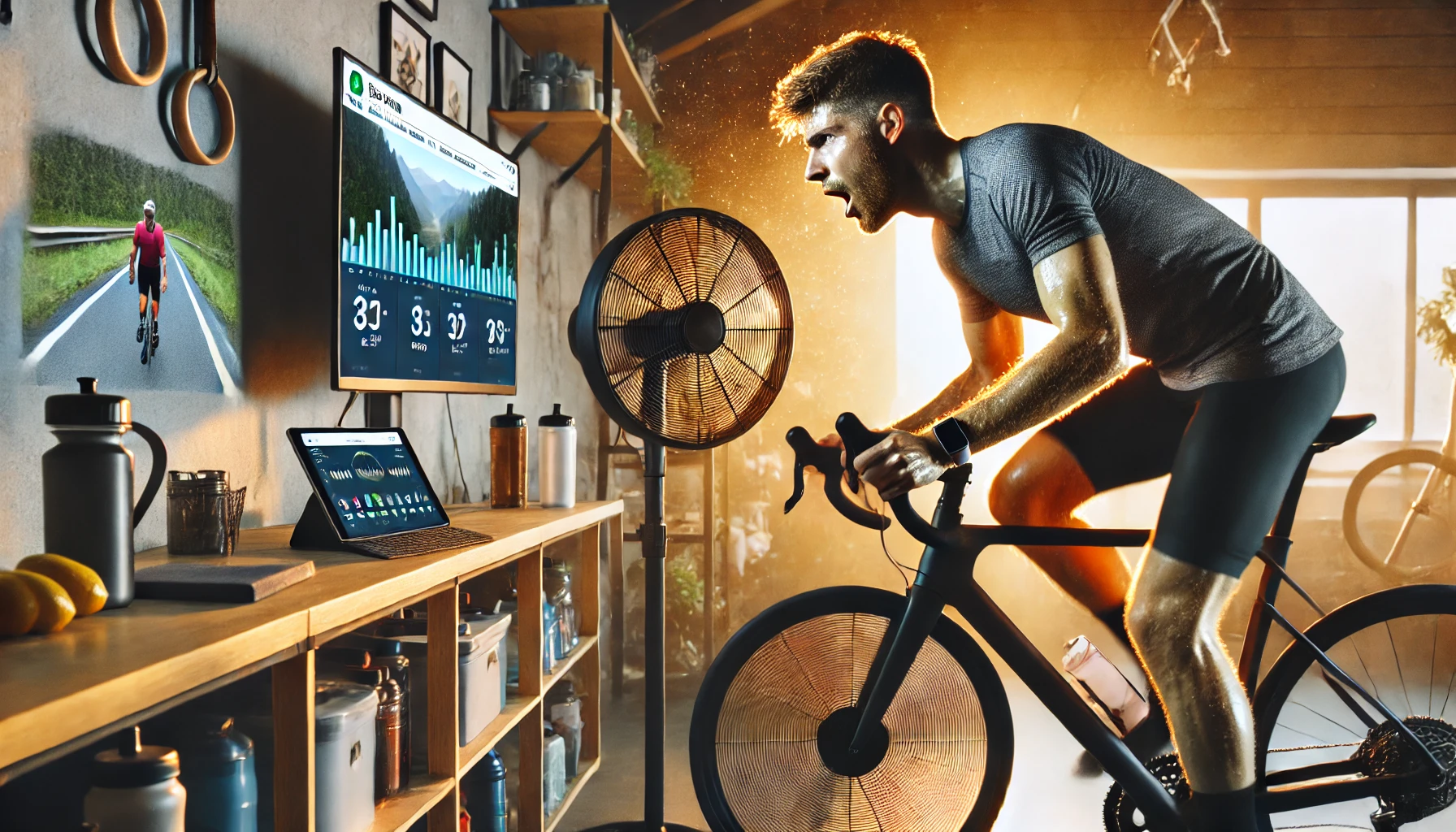
Indoor training can make temperature management especially challenging due to limited air flow and higher humidity. Here are a few extra tips for staying cool:
- Set up multiple fans: Multiple fans create a “wind tunnel” effect, enhancing evaporative cooling. Experiment with fan positioning to target high-heat areas like your head, chest, and legs.
- Decrease room temperature: If possible, ride in an air-conditioned room or with windows open to increase ventilation.
- Shorter, more intense intervals: Instead of long, sustained efforts, focus on shorter intervals with breaks to reduce continuous heat buildup.
- Use cooling towels or ice packs: Keep a cooling towel or ice pack on hand to place on your neck or wrists during recovery intervals.
Summary
Use these strategies progressively, pay attention to how you feel, and reduce or stop your session if you develop symptoms of heat illness. For help tailoring training and cooling strategies to your riding, Book a Free Consultation.