Last Updated on 17 September 2026:
Whether you use a power meter, heart rate or perceived effort, the principles to improve cycling power are much the same. This guide covers structured bike sessions, strength work, nutrition, recovery and power-to-weight, so you can focus your training where it matters most. If you use a power meter, knowing how to use it properly will help you make the most of your training.
Covered in this blog
- Improving cycling power
- Structured training
- Strength work
- Improving cycling power off-the-bike
- Strength and conditioning
- Nutrition
- Recovery
- Improving your power to weight ratio
- Weight
Improving cycling power
Firstly, this blog post won’t touch on one crucial aspect of training – mainly due to it needing it’s own blog (!) – which is base training. If you’ve been off the bike for a while, you might also start with a short preparation phase of training. Personally, I stick to doubling the amount of time you have had off – for example, 2-week prep phase for 1-week of rest -, with the maximum prep phase being 4-weeks long, perhaps 8-weeks if you’ve had a really long time off or have been injured. This will lay some very simple foundation before you even start to build your base.

Improve your cycling power through structured training
If you’ve been training a while, you’ll no doubt have done some structured training in the form of intervals. Even if you’ve not mindfully set about doing intervals, you may have accidentally done some on the road, for example, when knowingly attacking a hill.
Intervals with the adequate amount of hard parts (efforts) mixed with the correct amount of easy parts (recovery), will give your body a bigger boost than just going at a steadier higher intensity. When you understand the basics of training, you will know that it’s not physiologically possible to last too long at a high intensity anyway. Reducing the amount of stress you place your body under during the hard effort, but increasing the frequency of those efforts within any given session, will actually allow you more time at any given intensity. For example, you might be able to manage five or more ten seconds sprints within an hour, but how good will an all out minute sprint actually be?
While it is possible to improve your cycling power outside, indoors will give you the biggest gains. Intervals might be short and need timing correctly to get the biggest boost. Outside you might have traffic, weather, hills, and other influences that will interfere with your session compliance. Hill climb intervals are a popular outdoors interval session, but ride them safely. When you have to keep an eye for other road users and the road condition, keeping another eye on your power figures might prove problematic! Of course, I work with clients who never train indoors and that’s no problem. It is certainly possible, but it might always give better adaptation in a more controlled environment. The caveat to this is actually wanting to do the training. Training should be fun. Fun will boost engagement and long term commitment to training. Remember to consider your long term goals when planning your training.
Structuring in your recovery days will be important to boosting your power too. Remember that you don’t really see improvements on the bike, you see them off it. Really focus on making recovery days as easy as possible. I always tell my athletes to “make your hard sessions hard by making your easy sessions easy”.

Strength work
In this context, I actually mean the strength intervals you do on the bike. Knowing that power = torque (leg strength) x speed (leg speed), will help you understand that it’s fairly crucial to have some amount of leg strength. I do recommend also doing some off the bike strength work, which I’ll cover in a bit.
This is fairly simple and can be personalised to your goals. If you are looking to build your sprint, you might hit some very short sprints in a very heavy gear, starting them from a standstill. These will feel very challenging, so warm-up thoroughly. If you are a hill climber, you might spend some time climbing hills in a bigger gear.
The important factor here is to not allow your average, or comfortable, cadence to drop. That typically happens, so it is wise to also train your leg speed with simple cadence drills. I like to prescribe these to my clients on easy days and easy weeks.

Improving cycling power off the bike
Of course, if you have only a few hours per week to train, I don’t recommend spending them on anything other than bike work. However, if you have a little more time, I do recommend cross-training to complement your cycling specific training.
Strength and conditioning
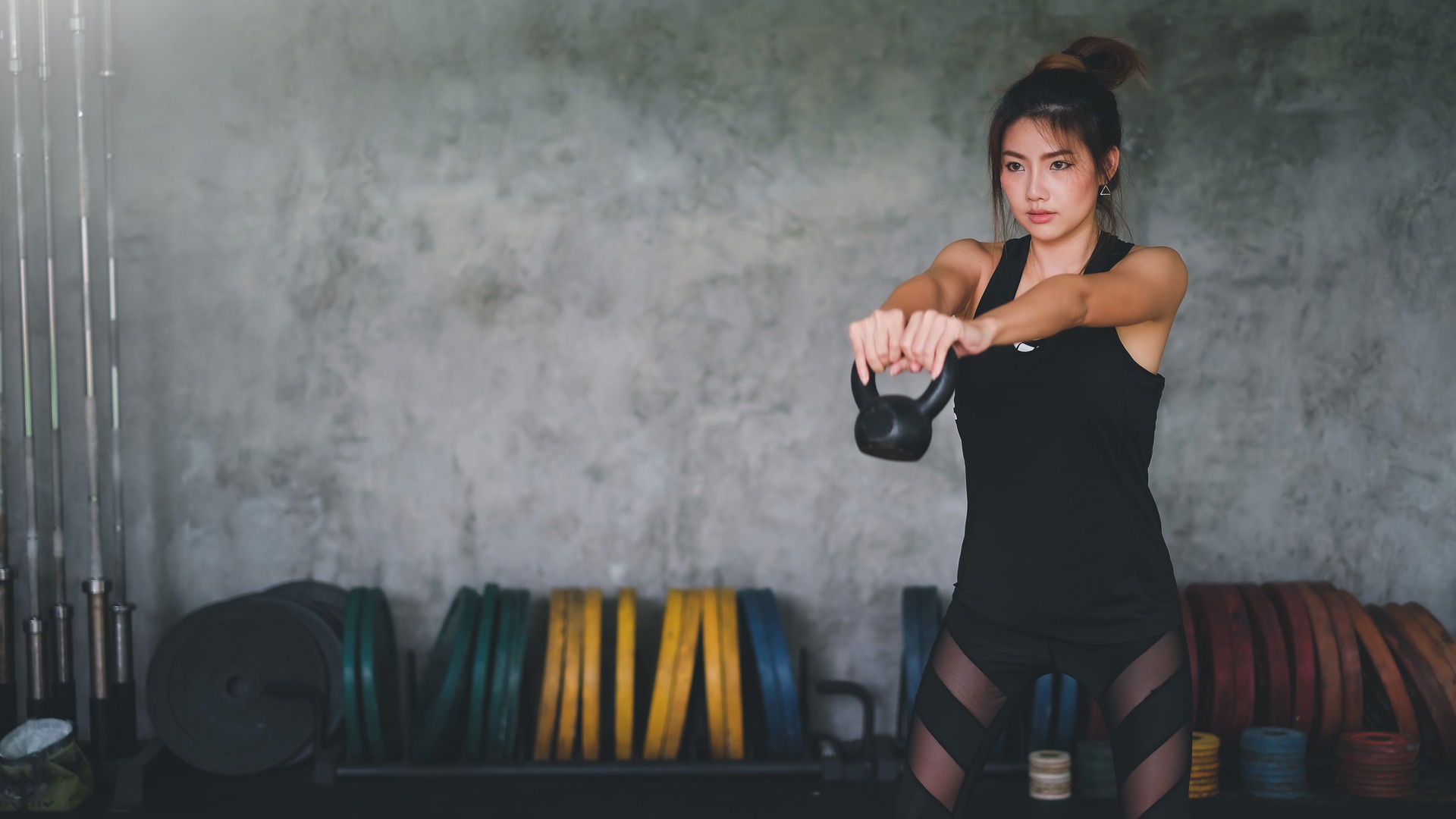
Building functional strength, leg strength, balance and coordination, core and flexibility, can be crucially beneficial when looking to improve cycling power. Having a strong core and legs, a stable body, and being flexible, might help you maintain higher power outputs, with the added benefit of being more comfortable on the bike. You can have all the power in the world, but if you fail to apply it properly, you will struggle. Tying in your strength work with some pedalling efficiency drills, will ensure you’re using your legs correctly!
It can also be a mental boost. Off season (the time far away from your events, typically this is winter) is the perfect time to add in other sports. I always welcome this with my clients, and typically see significant longer term engagement in cycling from those who do multiple sports.

Nutrition
Nutrition will play a huge role in building cycling power. To really boost your cycling power, eat as healthily as possible in day-to-day life, ensuring you get the right micronutrients (mainly found in fruits and vegetables) in a balanced diet alongside the right and healthy macronutrients (carbohydrates, fats, and proteins) will ensure you are providing the right tools to recover optimally.
Recovery
I can’t stress enough how important recovery is! Optimising your recovery is going to be one of the largest pieces in the puzzle that is improving your cycling power!
Really aim to build a recovery mindset by asking yourself whether you are making decisions that will boost your recovery or hinder it. A common example will be whether you take the stairs or the lift/elevator. The latter will aid your recovery, the former hinder it.
Improving your cycling power to weight ratio
Here’s where we deviate a little away from solely focusing on power itself. While power makes up an amount of your power to weight ratio (duh!), it’s not likely to be the most influential factor, and it’s probably the hardest to do anything about too…
Weight
In almost all cases, the quickest way to make substantial gains in your power to weight ratio is to reduce weight. Of course you can spend hours researching the lightest bikes and components, but most of us can probably make bigger weight gains, by focusing more on ourselves.
For example, take someone who is 75 kilograms with body fat of just above 10%. This shows that they have over 7.5 kgs of fat clinging to their body. In general, humans need to have at least 5% body fat to survive in men and just under 10% in women. This leaves around 3.75 kgs left to lose – around 50% of a normal road bike.
Of course what most people get wrong is by trying to lose too much, too quickly. This might only mean their body cannibalizes its muscles or is constantly running with lower glycogen stores. In either of these circumstances, the individual will eventually see a significant power decrease too – counterproductive to their power to weight ratio.
Influences that affect your ability to drop weight might include your body type, your lifestyle, and any medication you might be taking. Even how fat you were when you were younger comes into it – the theory is that the fat cells you “grow” as a child will stay with you for your lifetime, the best you can do is empty them.
The best way to win the war of the scales, is to consider weight loss a long term project. Keeping a record of what you eat is fine to establish whether you are eating far too much or too little, but I only recommend doing so for two weeks. Similarly with weighing yourself, these factors can increase the stress associated with weight loss. Once stressed, our body tends to want to hold onto its stores of fuel.
Summary
Improving power is about consistent, purposeful training, supported by enough fuel and recovery to adapt. If you would like help applying these principles to your own goals, Book a Free Consultation.