Last Updated on 14 September 2026:
Hard training only pays off when you can recover well enough to ride consistently. Cold therapy for cyclists includes accessible options such as cold showers and ice baths, alongside cryotherapy sessions, each with different practical considerations. This guide looks at the science and how you might use each method around your cycling training.
Covered in this blog
- Cold Showers: Why they’re more than just a wake-up call for cyclists.
- Ice Baths: How this mid-range chill factor can supercharge your recovery.
- Ice Pods: The cutting-edge in cold therapy and how it compares to traditional methods.
- Cryotherapy: What the elites are using and why it might be worth the investment.
- The Science: Research-backed insights for each method.
- Getting Started: Practical steps to integrate these techniques into your training.
- Cold vs. Cryo vs. Ice: The unique benefits of each approach.
- Conclusion: Summing up the icy avenues available to enhance your cycling performance.
Cold Showers: The Easiest Way to Upgrade Your Cold Therapy for Cyclists
Cold showers are more than a wake-up call; they’re a game-changer in cycling performance. Studies, like the one published in the Journal of Strength and Conditioning Research, suggest that contrast water therapy can help enhance recovery and decrease fatigue (Bieuzen, Bleakley, and Costello, 2013).
The Science Behind Cold Therapy for Cyclists
Cold showers stimulate brown fat production, aiding in weight loss and better metabolism (van der Lans et al., 2013). For cyclists, this means more fuel for those challenging hill climbs and long-distance races.

Ice Baths: The Mid-Range Chill Factor
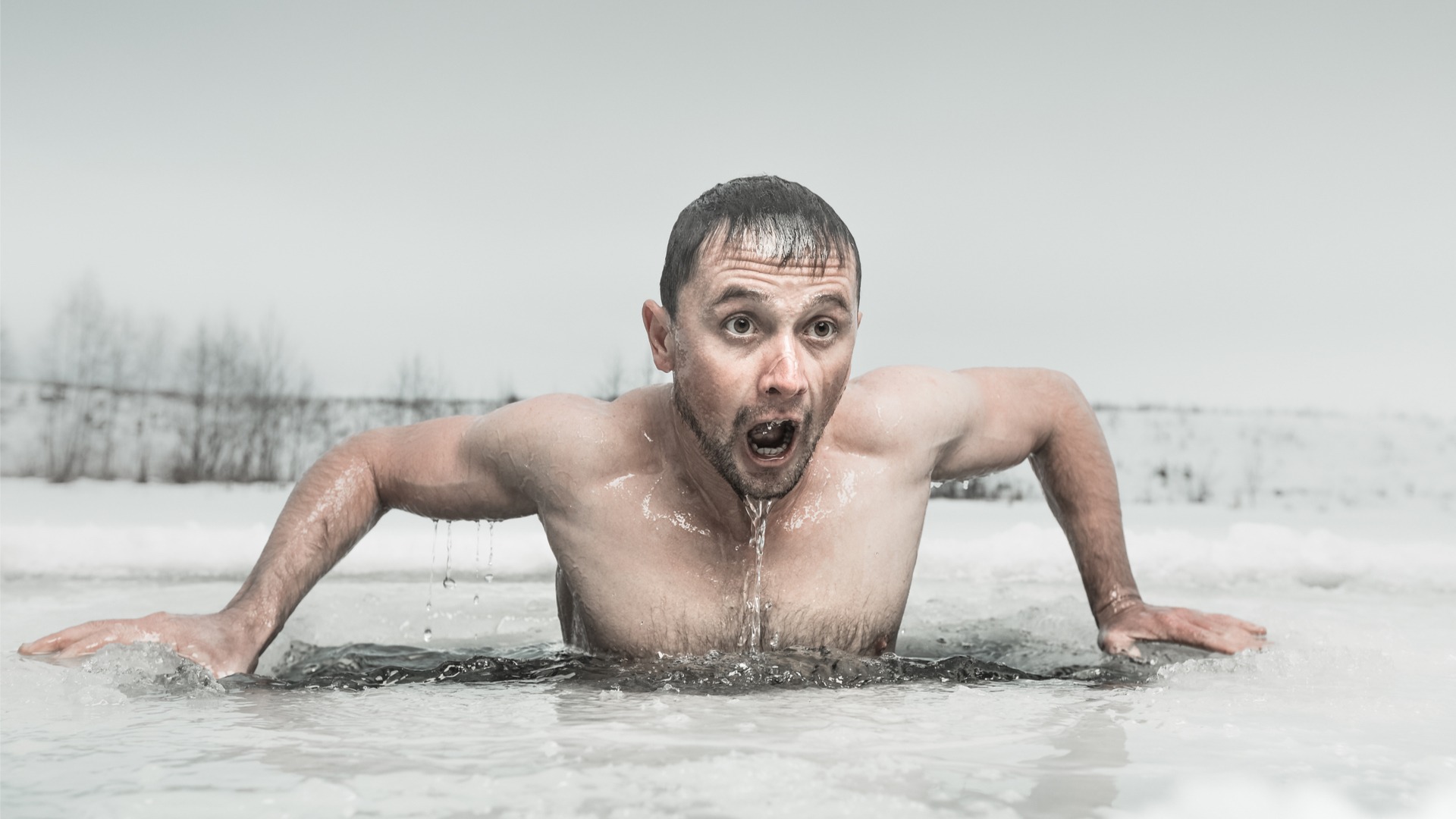
Ice baths have long been a staple for athletes, and cyclists are no exception. Submerging yourself in a tub filled with ice-cold water might sound intense, but the payoff is worth it.
The Science of Ice Bath Cold Therapy for Cyclists
Studies have shown that ice baths can help reduce muscle inflammation and accelerate recovery post-exercise (Vaile, Halson, Gill, and Dawson, 2008). This can be especially beneficial for cyclists focusing on back-to-back training sessions or multi-day races.
How to Get Started with Ice Baths
- Fill a bathtub with cold water and add ice.
- Start by immersing your legs for 5-10 minutes.
- Gradually work your way up to full-body immersion.
- Keep sessions between 10 to 15 minutes.
- Always consult a healthcare provider if you have underlying health issues.
Cryotherapy: The Elite’s Choice
If you have a larger budget, cryotherapy provides a quick and efficient way to recover. While more expensive, it’s a go-to for professional athletes and cycling teams.
Cryotherapy in Detail: What’s the Science?
Like cold showers and ice baths, cryotherapy helps reduce muscle soreness and inflammation, according to studies like the one published in PloS One (Hausswirth et al., 2011).
Your Cryotherapy Checklist
- Locate your nearest cryotherapy salon.
- Arrive and follow the guidance of qualified staff.
- Experience temperatures ranging from -110 to -140 °C for 2-3 minutes.
Cold vs. Cryo vs. Ice: The Cold Therapy for Cyclists Verdict
When it comes to enhancing your cycling performance, cold showers, ice baths, and cryotherapy each bring something unique to the table. Let’s break down what sets them apart:
Cold Showers
- Ease of Access: Available in almost any household, making it the most convenient option.
- Cost: Virtually free!
- Effect: Good for quick recovery and boosting metabolism, but may not reach the muscle-soothing levels of other methods.
Ice Baths
- Ease of Access: Requires a bathtub and bags of ice, making it a bit more cumbersome.
- Cost: Moderate, mainly for the ice.
- Effect: Deeper muscle recovery compared to cold showers; a middle-ground between cold showers and cryotherapy.
Cryotherapy
- Ease of Access: Specialized equipment or salons are necessary, making it the least accessible.
- Cost: Expensive, often requiring memberships or session fees.
- Effect: Most effective in reducing inflammation and aiding fast recovery, but at a premium price.
Common Benefits Across All Cold Therapy Methods
- Enhanced Energy: Feel more alert and ready to tackle your training.
- Improved Metabolism: Burn fat more efficiently, aiding in long rides.
- Reduced Inflammation: Lower inflammation levels for quicker recovery.
- Faster Recovery: Get back on the bike sooner, and more often.
By weighing the pros and cons of each, you can choose the cold therapy method that best suits your lifestyle, budget, and training needs.
Conclusion: Three Ways to Unlock Performance Gains Using Cold Therapy for Cyclists
Choose the option that fits your training, budget and recovery routine, and use it thoughtfully alongside good sleep, fuelling and sensible training progression. For help building a recovery approach around your cycling goals, Book a Free Consultation.
References
- Bieuzen, F., Bleakley, C., & Costello, J. T. (2013). Contrast water therapy and exercise-induced muscle damage: a systematic review and meta-analysis. Journal of Strength and Conditioning Research.
- van der Lans, A. A., Hoeks, J., Brans, B., Vijgen, G. H., Visser, M. G., Vosselman, M. J., … & Schrauwen, P. (2013). Cold acclimation recruits human brown fat and increases nonshivering thermogenesis. The Journal of Clinical Investigation.
- Hausswirth, C., Louis, J., Bieuzen, F., Pournot, H., Fournier, J., Filliard, J. R., & Brisswalter, J. (2011). Effects of whole-body cryotherapy vs. far-infrared vs. passive modalities on recovery from exercise-induced muscle damage in highly-trained runners. PloS One.
- Vaile, J., Halson, S., Gill, N., & Dawson, B. (2008). Effect of hydrotherapy on the signs and symptoms of delayed onset muscle soreness. European Journal of Applied Physiology.