Last Updated on 18 September 2026:
If you are training hard for a cycling goal, more activity is not always better. These cycling recovery tips will help you decide when everyday exertion supports your health and when it may hinder the recovery needed to ride faster.
Covered in this blog
- Goal setting
- Commitment
- Being lazy
- Cycling recovery tips
Goal setting
If you’re reading this, you are probably targeting some form of cycling specific achievement. Most likely you have set some goals that will require a great deal of effort and dedication. Even if you haven’t set goals that are challenging, you are at least wanting to be faster when riding your bike.
The odd walk with the family might help your recovery, much like the gentle spin on your bike. Sadly, more often than not, that walk or ride turns into something, well, not recovery at all. For almost all of us, recovery should be so slow that old folks are coming past you – probably not even on an e-bike.
The big picture here is developing a recovery mindset and asking yourself one simple question: “will the next thing I do help or hinder my recovery?”. Of course, this isn’t always possible to do – nor fair to loved ones, employers, or others around you.
Commitment
The rhetoric that you must commit 100% to your cycling goals is nothing short of an oversimplification of the truth, which is that chasing 100% commitment is no different than chasing perfection. While admirable, it is often unreachable. When the individual finds that it is outside of reach, the tendency is to simply quit. Getting commitment right from the outset of your training is paramount to the goal setting itself. If you have a goal that requires 100% commitment from you, is that an achievable goal or should you perhaps reduce your expectations?
When we circle back to the topic of this article, we can see that one of the biggest influences on our commitment level might actually be how much other physical stress we will have to place on our body during the course of training.
This isn’t about placing limitations on people or about suggesting goals aren’t possible, but about accurately setting goals. If you have a physically demanding job or young children or have any number of challenges that might hinder your recovery, it is completely understandable that your body might take a little longer to achieve the same adaptation as if you didn’t. It’s the real world application of goal setting.
Having said that, there are still improvements to be had. Whether you can afford to be a little more inactive or not, you can still win at being lazy.

Being lazy
Keep on developing a recovery mindset and asking yourself that one simple question: “will the next thing I do help or hinder my recovery?”. This should take care of most areas of physical exertion; elevator or the stairs; opting out of the office step challenge; getting assistance when bringing the shopping bags in; and so on.
Yet, to really win at being lazy, there are some extra areas to explore. A really big win is getting some extra sleep in during the day. A little nap, especially timed after training, can give you a giant recovery boost. While I’m not suggesting you nap at your work desk, perhaps there is a way to take 20 minutes in your lunch break.
If you’re not much of a napper, I have an alternative that works quite well. Getting your legs elevated will help blood rotate through your body easier, thus decreasing time to full recovery. Again, not necessarily something you would do in front of your boss, but exploring the idea of getting legs almost level and using air compression leggings is a creative alternative.
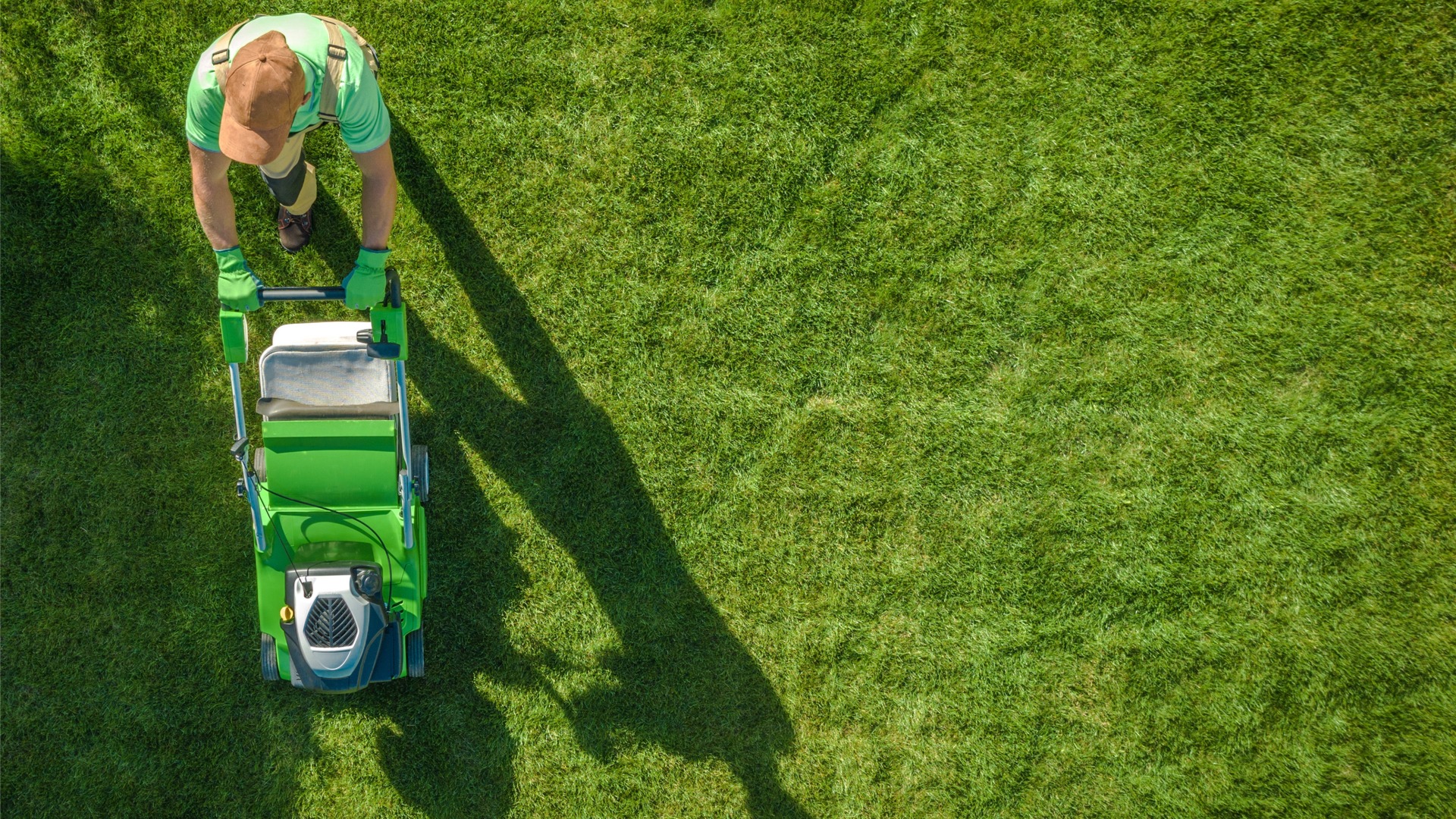
Outsourcing is another way in which you can win at being lazy. One of my clients had a partner who persistently asked them to do various household chores. One of the worst for recovery is gardening. Every week during the summer the lawn needs mowing and the bushes trimmed. Paying someone to do this for you is a substantial win for your recovery. If that’s not financially feasible for you, how about getting the kids to help, or even bartering with a neighbour to help them with something less physical that you are good at.
Much like carpooling, getting a group of your friends together to take turns in doing recovery hindering chores might reap some significant cycling performance increases. Taking it in turns to take the kids to the park, dog walking, even gardening. All chores that can be grouped together and combined so that one person takes the load once in a while rather than every week.

Cycling recovery tips
I’m sure you have already compiled a list of ways to become lazier, but here are the top five that I work with with my clients. Remember the goal isn’t truly to be lazy, but to benefit recovery. With greater recovery comes greater cycling performance.
- Opt out of non-essential physical exertion
- Get your 7-8 hours of daily sleep
- Elevate your feet
- Outsource physical tasks
- Question your decisions; develop the recovery mindset
Summary
The aim is not to do nothing, but to make everyday choices that leave more capacity for the training and recovery that matter most. If you would like help making that balance work around your goals and real life, Book a Free Consultation.
Further reading
If you’d like to read more cycling recovery tips, here are some links that helped me write this article.
- American Academy of Sleep Medicine and Sleep Research Society consensus recommendations on sleep duration. Supports the importance of adequate sleep, while avoiding an overly universal prescription for every athlete.
- Effects of lower-limb intermittent pneumatic compression on sports recovery: A systematic review and meta-analysis. This would provide appropriate context for the potential, but variable, recovery effects of compression.