Last Updated on 18 September 2026:
Potentially harmful chemicals are not limited to the food you eat. For cyclists trying to recover and adapt to training, reducing unnecessary exposure to household chemicals may be a simple marginal-gains consideration. This guide to household chemicals and cycling performance looks at toothpaste, tap water, bathing water, cosmetics and common cleaning products.
Covered in this blog
- The damage of toothpaste
- The top seven chemicals in toothpaste to avoid
- The dangers in your tap water
- Common chemicals in water supply
- Filtering your bathing water
- Common performance killing chemicals
- Top six household products containing harmful chemicals
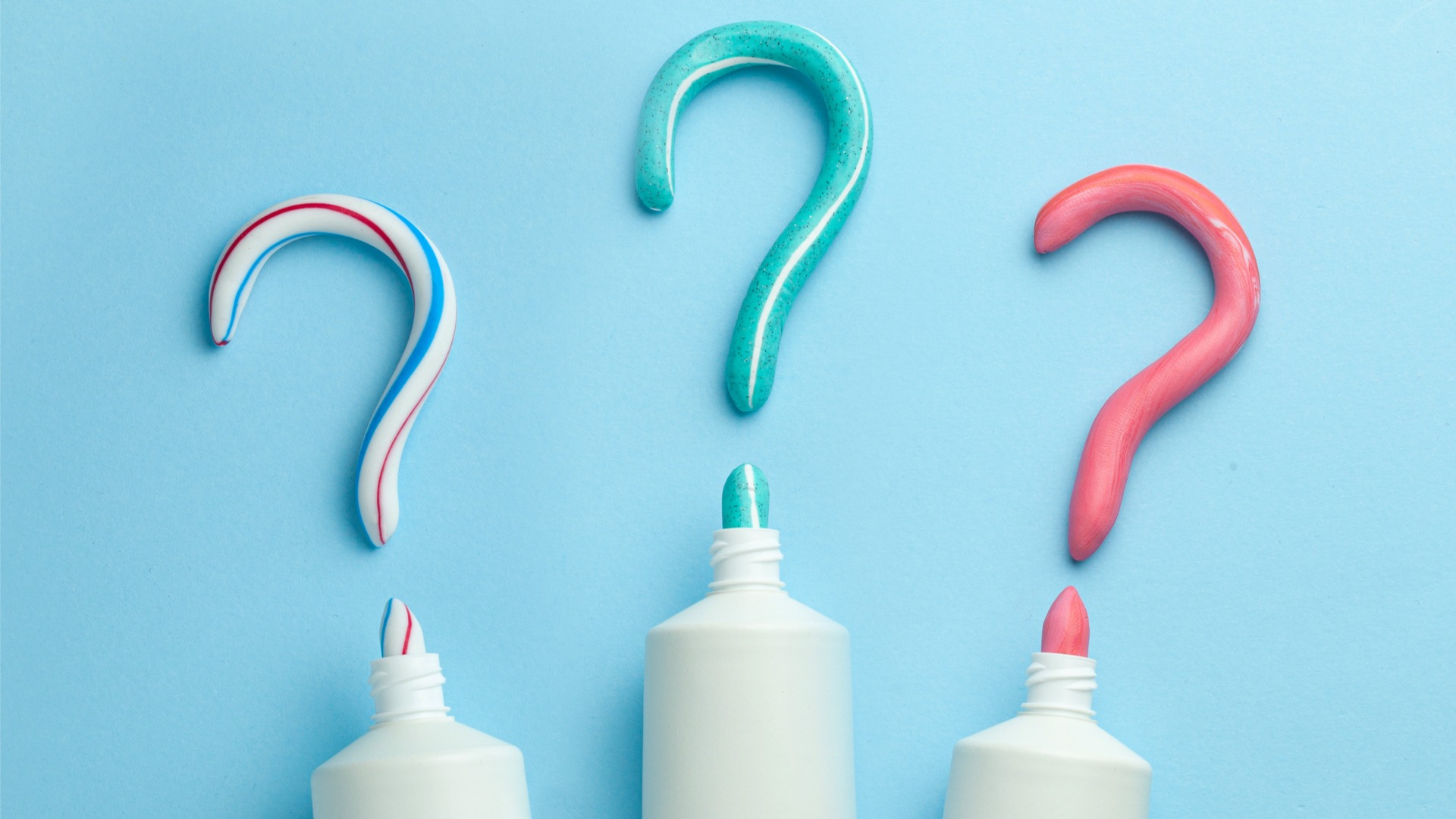
The damage of toothpaste
Did you know that toothpaste frothing up is irrelevant to the cleaning process and is only present for marketing purposes? At some point the frothing of toothpaste was added purely as it we perceive a toothpaste should do that.
Your toothpaste might contain the chemical(s) that are doing your cycling performance the most damage. While research is infrequent and spotty on this subject, it isn’t a hard leap to see how it could potentially be harming your cycling training and racing. The issue here is all to do with your gut and how the chemicals in toothpaste might be affecting your gut microbiome; which we know plays a crucial role in your cycling performance.
A lot of this might depend on what toothpaste manufacturers are allowed to add to their paste in your part of the world, but there are a lot of very damaging ingredients in common versions. Again, this might depend on whether a warning is mandatory where you live, rather than if it is a consideration.
The top seven chemicals in toothpaste to avoid:
- Fluoride
- Triclosan
- Sodium Lauryl Sulphate (SLS)
- Propylene glycol
- Artificial sweeteners
- Diethanolamine (DEA)
- Parabens
Go check your toothpaste, does it have a warning on there that states “do not ingest”? Unless you’re using a natural paste, it probably does or probably should. Now consider that, although you might not swallow your toothpaste, it all still goes into your mouth. You might try very hard not to swallow any, but some might sneak its way into your stomach. Either way, it is almost certainly going to change the acidity of your saliva, which will end up in your gut.
The dangers in your tap water
Again, this might depend a lot on where you live, but in most places around the world, the water supply has either too many biological nasties trying to kill you, or too many chemicals trying to kill the nasties.
Remember that I’m not trying to scare you, but open your eyes to the possibility of a very small gain being had by doing something very simple.
Of course, time of the bike due to drinking unsafe water is an obvious lose, but even giving your body less filtering can aid recovery from cycling performance.
Common chemicals in water supply
Here are some chemicals that might be found in your water supply
- Chlorine
- Fluorine compounds
- Trihalomethanes (THMs)
- Salts of arsenic, radium, aluminium, copper, lead, mercury, cadmium and/or barium
- Hormones
- Nitrates
- Pesticides
Of course, in most cases, the chemicals need to be there as the pipes transporting your water might not be safe; an example being that some tests find up to 8% of water in ‘lead free’ pipes actually contains lead.
While it is very unlikely that you are going to get sick from drinking tap water, you might consider giving your body a hand by filtering it. There’s no need to buy bottled water, either filter it in your home or purchase it from a store in a large reusable container. In many areas, you can get filtered water delivered.
Filtering your bathing water
If you’re going to filter your tap water, you might want to filter your bathing water too. You might actually absorb more chlorine by having a long shower or bath than you do through drinking tap water. If you have any skin issues, dry or itchy skin, eczema or anything similar, a shower filter is easy and convenient, and might relieve some of the symptoms.
Common household chemicals affecting cycling performance
Interestingly, your cosmetics, such as your shampoo, body wash, and deodorant, much like toothpaste, have added ingredients which are potentially hazardous to your cycling performance.
While you might look and smell great, you are still exposing your body to unnecessary toxins; with which your body must filter out. Often looking at organic cosmetics is the solution; shop around and find something natural. It does the same job, costs a fraction more, and might help you get a new personal best.
However, cosmetics are fairly tame compared to some household products…
Top six household products containing harmful chemicals:
- Antifreeze
- Bleach
- Drain cleaners
- Carpet or upholstery cleaners
- Ammonia
- Air fresheners
I’m certain that you’re not intentionally ingesting any of these, and you’d know if you were unintentionally ingesting some of them too! The suggestion with this list might be more about limiting their use, ensuring proper usage, and storing them correctly.
While the above list is the most common and dangerous household chemicals, it is probably becoming very easy for you to see where you could make some changes.
Summary
The potential gains from these changes may be small, but they are simple areas to consider alongside the training, fuelling and recovery habits that matter most. If you would like help making sense of the habits that best support your riding, Book a Free Consultation.
Further reading
If you would like to dig a little deeper into household chemicals and cycling performance, here are some resources I used to write this article.
- US Environmental Protection Agency, National Primary Drinking Water Regulations. Supports the distinction between regulated drinking-water contaminants and location-specific water quality.
- Shower Filters and Air Quality: How Chlorine Vapor Affects Your Respiratory Health.
- US national poison-control/public-health authority covering safe storage and use of household cleaning products. Supports the practical safety advice to limit use where appropriate, follow instructions and store products correctly.