Last Updated on 18 September 2026:
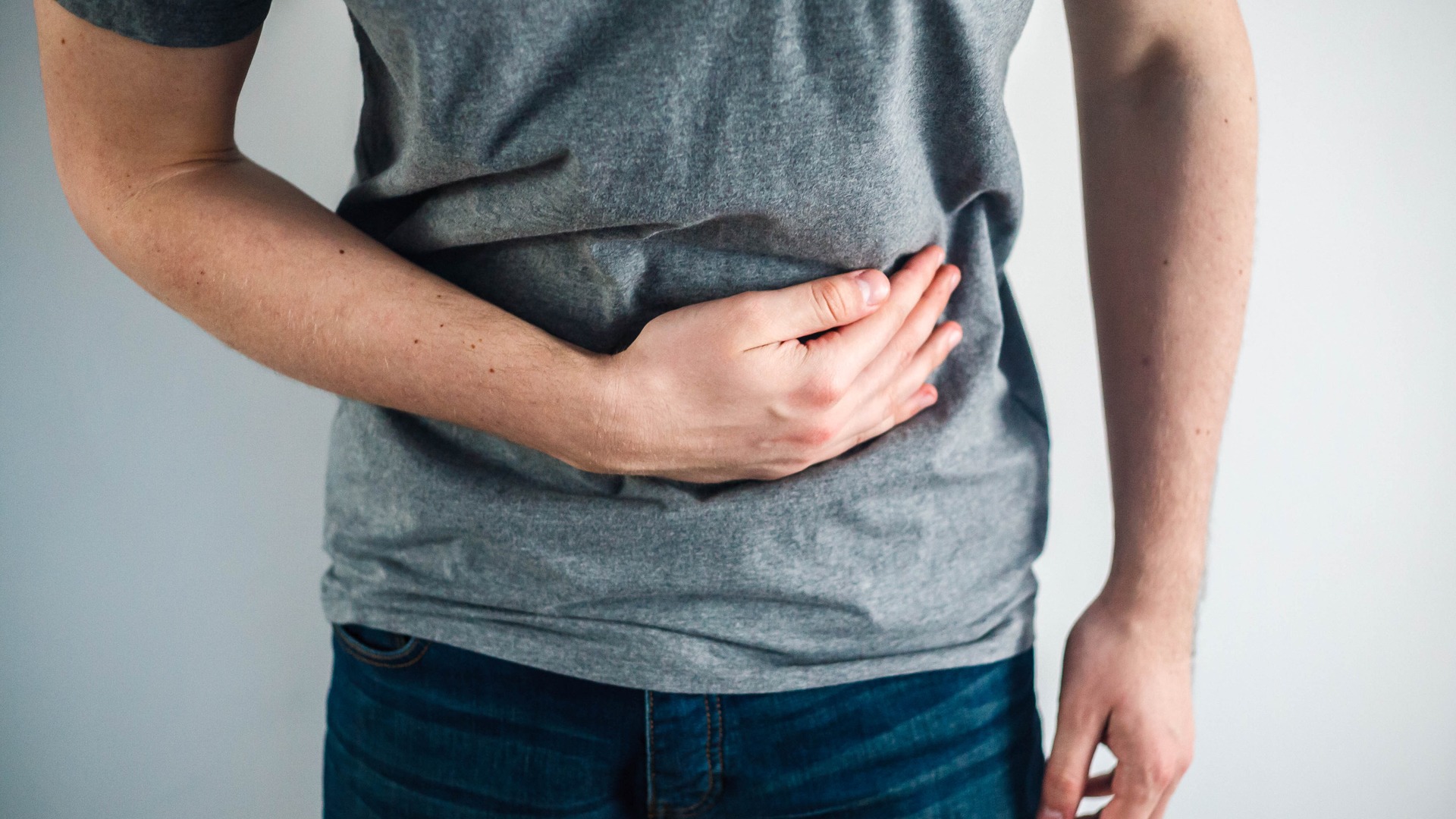
For me, one of the most fascinating fields of general health is the role our gut plays in keeping us healthy. Having dealt with various conditions and intolerances, nutrition has become more important to me than it may be for the average person. In this article, I look at gut health for cycling, including what we know, how it may influence training performance and the practical habits worth trying.
Covered in this blog
- Gut health
- What we know about gut health
- Nutrition
- Supplements
- What we know about gut health
- How gut health influences cycling performance
- Ways to improve gut health for cycling
- Gut healthy food
- Top 5 foods to improve gut health
- Adequate hydration
- Relaxation
- Top 5 tips to reduce stress
- Sleep
- Gut healthy food
- Summary
- Top 5 tips to improve gut health for cycling
- References and sources
Gut health
Your gut (more specifically your gastrointestinal (GI) tract) contains trillions of microorganisms. While there are a similar amount of microorganisms in your GI tract as there are cells in your body, the differences between each individual person are vast. The cells in our body (our DNA) are about 99.9% the same from person to person, whereas we only share about 15% of the microorganisms in our gut.
This offers many questions about how we should treat our gut health on an individual basis. Mostly, we simply don’t know yet as we don’t have the understanding of what a healthy microbiome should look like. Having said that, we do know that there are ways in which you can potentially improve your gut health and, through trial and error, establish whether or not that works for you.

What we know about gut health
Nutrition
It is probably unsurprising that one of the biggest influences on gut health is diet. Most research shows that a diet high in fibre and low in fatty meat produces a completely different gut microbiome to the typical western diet that tends to be the opposite – high in fatty meat and low in fibre. Given what we know about the general health of individuals who eat in those polarised ways, there is a probable link here between how you eat and your gut health.
Research also points to a diet rich in plants offering the most diverse gut microbiome. While scientists are unable to say with absolute certainty that a specific nutritional strategy improves gut health over another – the evidence suggests this is the case – the link is more association than causation at this point.
While the science is not quite there yet, we all can probably agree that eating more healthy will improve general health (and cycling performance!), and will likely do the same for our gut too.
Supplements
With our ceaseless tendency to search out sources of instant gratification, it is no wonder why probiotics have flourished in the supplement industry. Sadly, however, research tends to suggest that there is a split between people whose gut accepts the probiotics and those whose gut doesn’t.
While we don’t yet understand why certain peoples’ gut welcome probiotics, and why some peoples’ gut doesn’t, we are able to predict this by examining that individual’s gut.
While you need a lab to determine if supplements could help you, we can say with almost certainty there is one category of medicine you should avoid repeated exposure to; antibiotics. While isolated and infrequent use of antibiotics will be unlikely to harm your gut microbiome, persistent usage can put pressure on the resistance of healthy microbiome, allowing harmful bacteria to cause further challenges.

How gut health influences cycling performance
In the most simplest terms, if your gut is unhealthy, it is unlikely that you are absorbing enough of the right nutrients to promote recovery and improve cycling performance.
When we consider that nutrition plays an incredibly important role in your cycling performance, it is wise to ensure that the delivery method is efficient. It is almost like having all the right food in your hands, but only actually getting a small portion of it into your mouth.
Ways to improve gut health for cycling
While we don’t know what will work for each individual, we do know there are some general guidelines which you can start to follow that will likely improve gut health, thus improving your cycling performance.
Like all elements of training, be sure to keep adequate notes on what you did and only change one factor at a time. In this way, you will be able to determine what is working and what isn’t with greater ease. Most changes need time to settle in, so don’t be disappointed if you don’t see results in a matter of days; adaptation often takes 14-21 days to actuate in the human body.
Gut healthy food
If you have followed my Instagram story in recent months, you will have noticed how often I post about my food, particularly gut healthy recipes such as kombucha or sauerkraut.
With what you eat being the number one influence on what your gut microbiome consists of, it is wise to support it as best as possible.
Top 5 foods to improve gut health for cycling
Here are my top 5 foods to consume if you want to improve your gut health:
- Sauerkraut
- Kombucha
- Fibrous plants
- Fatty fish (seeds and nuts if vegan)
- Lacto-fermented foods
Adequate hydration
It’s no secret how challenging developing a personalised hydration strategy can be for your cycling performance, but, much like the benefits to cycling performance, your gut health will improve with the right fluid and electrolyte balance.
In return for remaining adequately hydrated, your gut will actually absorb those electrolytes faster, thus increasing the effectiveness of your hydration. A symbiotic win:win.
Relaxation
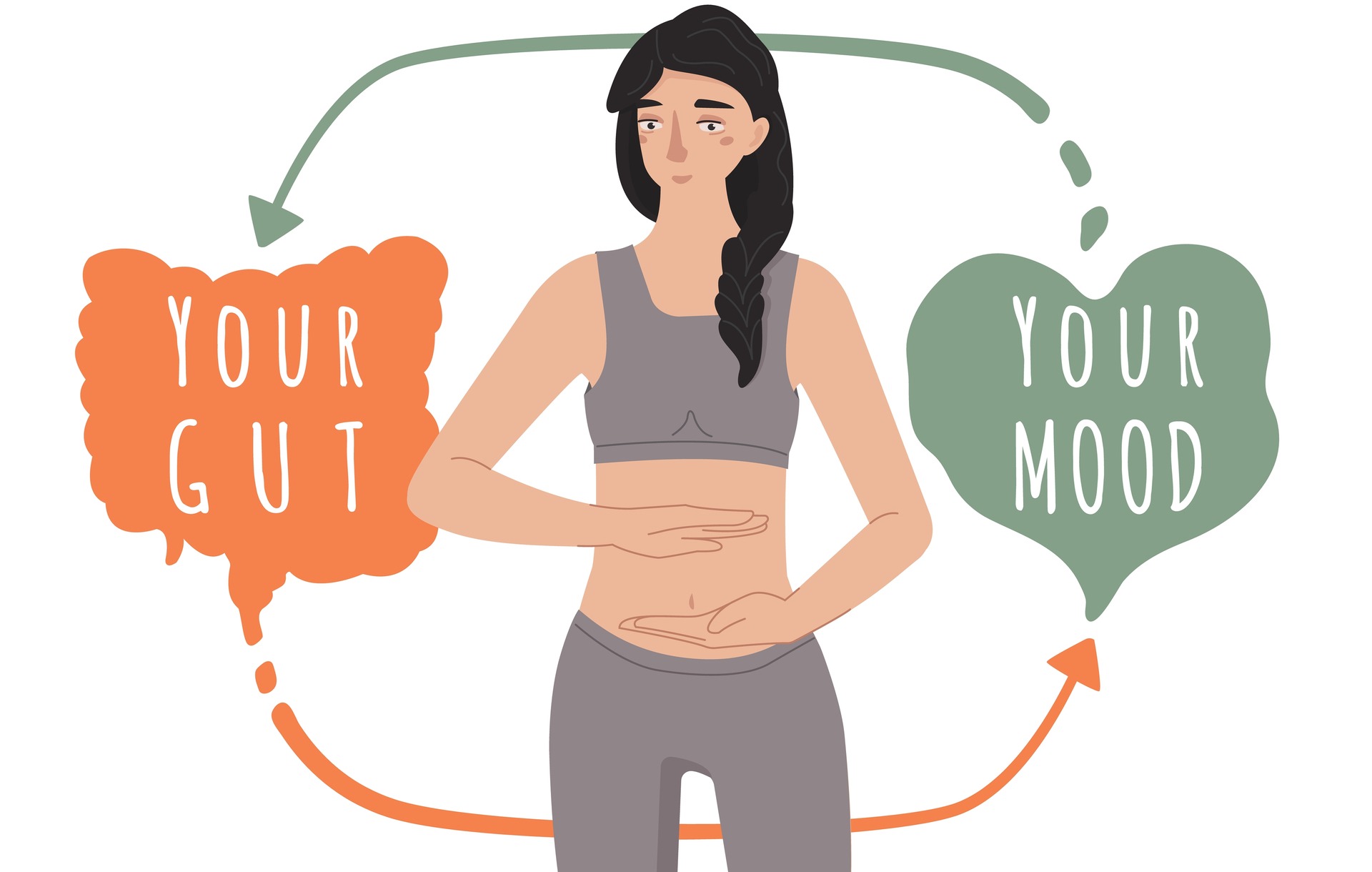
While the link between stress and gut health is something that we are just exploring, I’m certain that we can all relate to times where we have had unusual gut reactions to high stress situations. For example, a sudden need to use the toilet after a stressful encounter or even perhaps needing to pass more frequently before your highest priority event.
Whatever the relation between stress and gut health, it is worth spending some extra time relaxing, even if it is to simply reduce stress.
Top 5 tips to reduce stress
Here are my top 5 tips to reducing stress to help improve your gut health:
- Take a break
- Meditate
- Turn off your devices
- Read a book
- Go for a walk
Sleep
We all know the importance of getting a solid 7-8 hours of sleep for cycling performance, and the same is true for your gut health too. While gut health might have an important role to play in how well you sleep, like most factors in this blog, they are fairly symbiotic with sleep aiding gut health, and gut health aiding sleep.
The normal drill applies here. It is not just sleep quantity, but sleep quality that counts. With almost certainty, 5 hours of quality sleep trump 7 hours of poor sleep. The biggest ways to influence sleep include most of the factors already discussed in this chapter; nutrition, hydration, and relaxation. Just remember to turn your phone off at least an hour before trying to sleep!

Top 5 tips to improve gut health for cycling
While there are endless ways in which you can start to improve your gut health, I wanted to summarise my favourite five. As ever, if you are having challenges and you welcome a personal touch of advice, feel free to reach out for a free consultation.
- Eat gut healthy food
- Hydrate smartly
- Relax and de-stress
- Avoid repeated usage of antibiotics (where possible!)
- Sleep
Summary
You do not need to chase perfection. Make one manageable change at a time, keep notes on how you feel in training and everyday life, and give each habit time to settle before judging it. If you would like help applying this to your own training and nutrition routine, Book a Free Consultation.
Further reading
If you’d like to explore gut health for cycling further, here are some resources I used to write this article.
- The Human Gut Microbiome in Health and Disease. Supports the introductory explanation of the GI tract and microbiome.
- Origin of Antibiotics and Antibiotic Resistance, and Their Impacts on Drug Development: A Narrative Review. Supports the advice to avoid unnecessary repeated antibiotic exposure.
- HYDRAGUT study: Influence of HYDRAtion status on the GUT microbiota and their impact on the immune system. Supports the hydration section.
- Disorders of Gut Brain Interaction-Definitions.