Last Updated on 14 September 2026:
Blood supplies are needed year-round, but cyclists who train consistently may reasonably wonder how a donation will affect their next few weeks of riding. This article examines blood donation and cycling performance, including the potential effect on endurance, haemoglobin and training quality. It also offers practical ways to time a donation around your goals while still supporting an important cause.
Covered in this blog:
- Introduction: The global need for blood and athlete participation in blood donation.
- The Science Behind Blood Donations and Cycling Performance: How donating blood can affect your performance metrics.
- Why Cyclists Might Want to Hold Onto Their Blood: The long-term effects of blood donation on cycling performance.
- The Mental Health Angle: The psychological impacts of donating blood.
- Timing Your Blood Donations: How to schedule your donations without affecting your training.
- When Timing Doesn’t Work: Alternatives: What to do when you want to donate but it’s not the ideal time.
- The “Give More Later” Approach: How to balance your passion for cycling with the need for blood donation.
- Top Tips for Cyclists Considering Blood Donation: Quick pointers for those considering to donate.
- Conclusion: The final takeaway and balance between compassion and performance.
The Science Behind Blood Donation and Cycling Performance
A 2016 Sports Medicine Open study revealed that maximal endurance capacity, VO2 peak, and haemoglobin mass were affected up to 4 weeks after donating blood in moderately trained individuals3. While the majority of the impact resolves within 48 hours, longer-term effects can counteract your hard-earned gains.
Why Blood Donation and Cycling Performance Don’t Always Work
Donating blood can result in several challenges:
- Reduced maximal endurance capacity
- Lowered maximal power output for up to 4 weeks
- Decreased VO2 Max for up to 4 weeks
- Reduced haemoglobin levels for up to 4 weeks
The Mental Health Angle
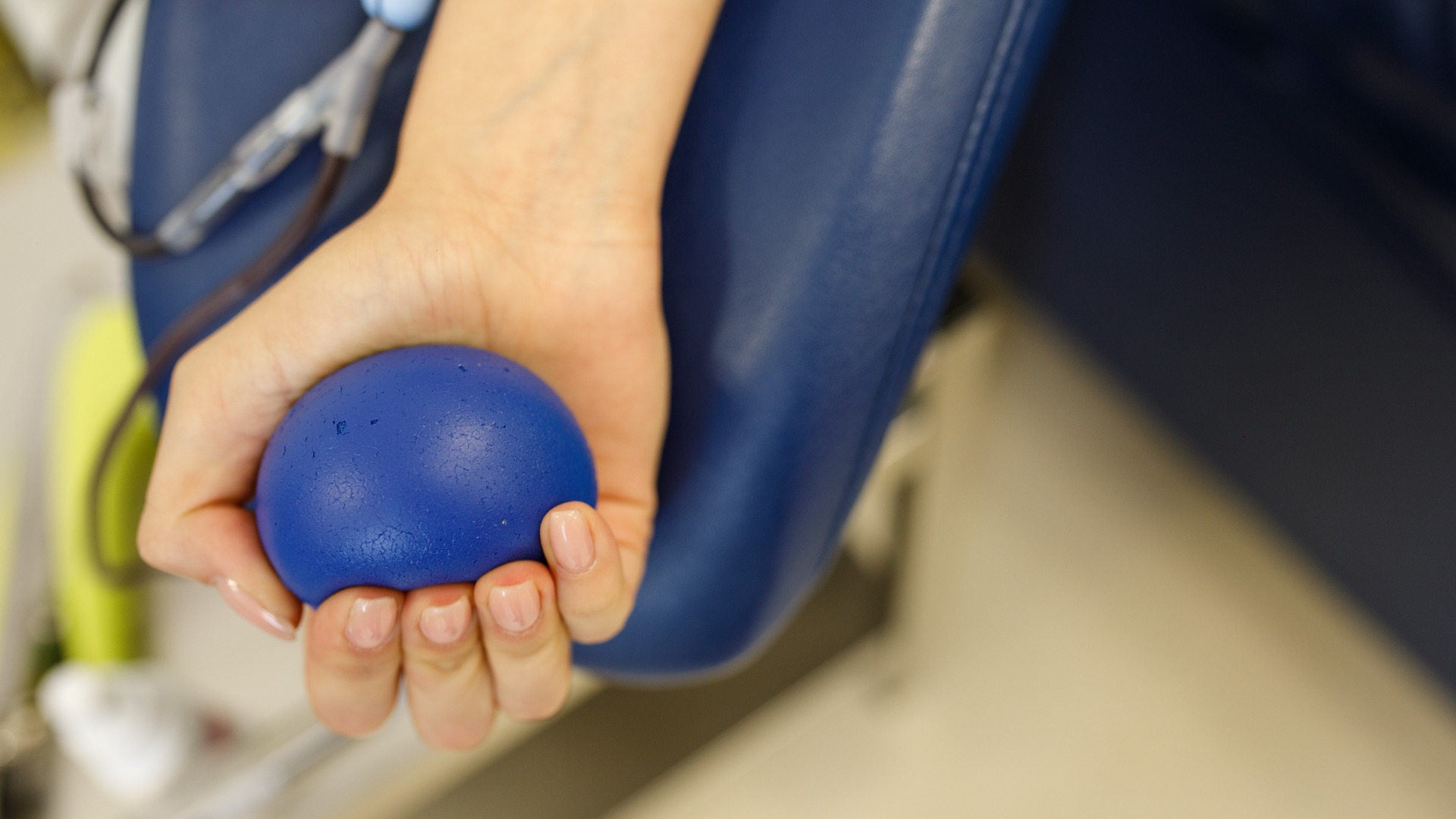
Donating blood can offer a mental health boost, providing a sense of altruism and well-being4. However, for performance-oriented athletes, the knowledge of reduced physical capabilities post-donation may induce stress or anxiety. Thus, it’s a mental and physical balancing act.
Timing Your Blood Donations for Cycling Performance
To minimize performance loss, consider the following:
- Avoid donations during high-intensity training blocks.
- Women who already periodize their training around their menstrual cycle could apply similar principles after donating.
- Do not donate blood near your races or significant events.

When Timing Doesn’t Work: Alternatives
Blood is needed year-round, so if you want to contribute, consider donating plasma instead. Plasma donations don’t affect your haemoglobin levels, thus mitigating some performance drops5.
The “Give More Later” Approach
If you’re hesitant about donating blood during your peak performance years, commit to donating more frequently when you retire from serious competition. Alternatively, encourage others to donate, perhaps even bartering services like housework or meal preparation in exchange for their donation.

Top Tips for Cyclists Considering Blood Donation and Cycling Performance
- Avoid high-intensity periods for donation: The off-season could be the best time to donate.
- Consider plasma donation: It’s less impactful on performance.
- Plan for the future: Commit to more donations post-retirement from cycling training or racing.
- Leverage your community: Encourage others to donate on your behalf.
Summary
Blood donation is a generous decision, and the practical consideration for cyclists is to plan it around the training and events that matter most to them. If you would like help fitting training, recovery and performance goals around your wider commitments, Book a Free Consultation.