Last Updated on 17 September 2026:
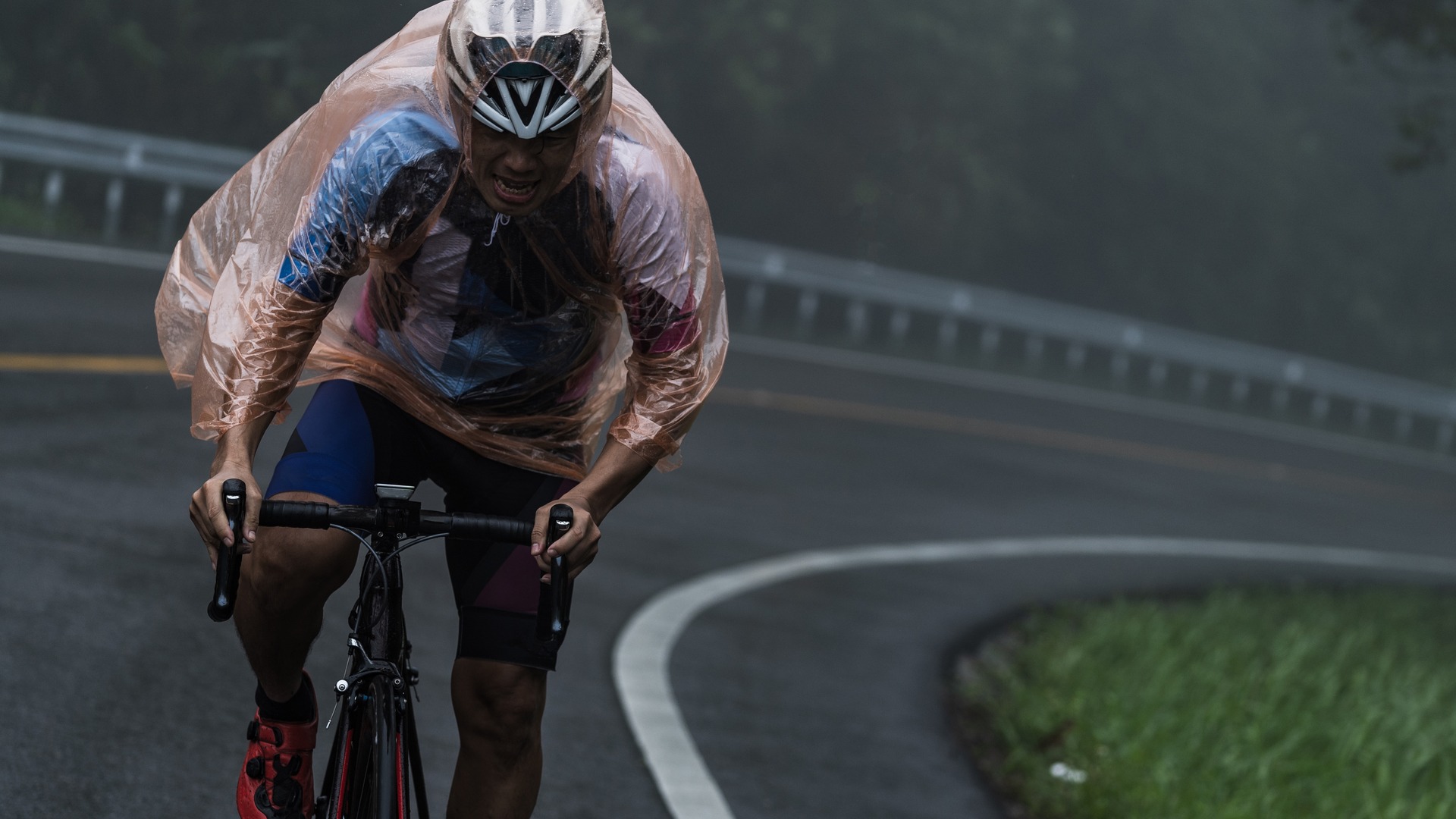
Winter cycling training is an excellent opportunity to build towards next season’s goals, but shorter days and colder weather can make it difficult to stay consistent. Whether you prefer riding outdoors or training inside, a sensible routine now can make a real difference to your cycling performance when summer arrives.
Covered in this blog
- How to safely ride outdoors during winter
- Top tips
- How to stay motivated during winter
- Zero tolerance to excuses
- Organise your winter routine
- Less hibernation, more motivation
- Riding indoors
How to safely complete winter cycling training
We can’t all escape the brutal British weather by moving to California (cough!), and maybe you’re not a fan of indoor training, or maybe you’re just a die hard, hard as nails, outside rider. Whatever the reason, here are my top ten tips for riding in the cold.
- Put on multiple layers
- Take with you spare layers like a rain jacket even if it’s not raining
- A pair of overshoes that insulate and keep your feet dry, and double up on socks
- A quality pair of gloves, consider two layers here too
- Use a buff or mask to keep your face protected
- Take money, your phone, and anything you might need if you get stranded
- Be sensible with your route
- Prep your bike for winter riding
- Make sure you are visible with bright, and charged, lights
- Consider warming up your body indoors first

How to stay motivated for winter cycling training
Your mentality affects your cycling performance, but it can be incredibly challenging to even consider training during winter when, typically, you have a massive amount of time between now and your actual events or goals.
Ultimately, winter training can feel like a bit of a slog – even inside – , but put the hours in over the chillier months and come the summer you’ll be putting in your best performances on your bike.
Zero tolerance to excuses
We have all made our excuses at least once! Winter time can be really tough. For most, it’s easier to curl up and watch television than it is jumping on the bike – even if the bike is inside!
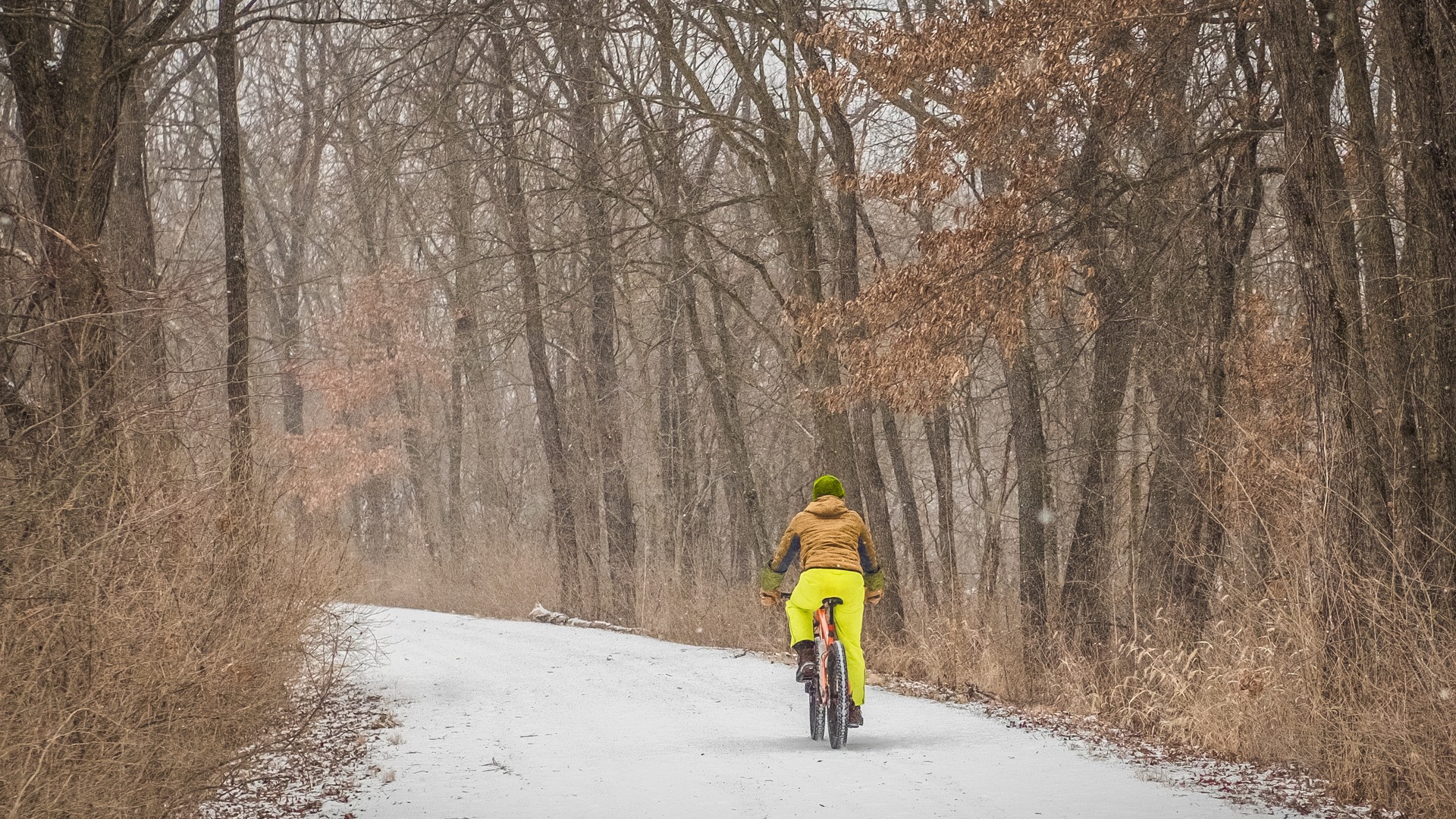
Try to find excuses to go out and ride instead. Focusing on your goals is a great way to increase motivation to train, even if said goals are several months away. We all love an epic story too. Hitting the bike in some of the worst conditions creates some of the best stories. Just remember to stay safe at all times.
Organise your winter cycling training routine
Having a training plan is crucial to navigating the winter. The daylight doesn’t last that long in winter, so reducing deliberation and planning time is a must. It can be really beneficial to have a regular, reliable group – either club or just riding buddies – to head out with on dark evening or weekend rides – both for safety reasons and for that much needed motivation.
It’s also the best time to start working with a coach. A good coach will help you through winter and ensure that you are the strongest bike rider you’ve ever been come summer.
Less hibernation, more motivation
Despite the lack of daylight, there might actually be more available training time in the winter. During winter, there are fewer opportunities to spend evenings soaking up alcohol and food. Whilst your other riding friends are hibernating, you can get ahead by being out in the elements and making the most of the winter season. By the summer, you’ll be glad you did.

Riding indoors
Of course, there is another way! Zwift came along and changed the face of winter training. I call my friend, Eric Min, CEO of Zwift, the godfather of indoor training – he very much is one of the key people who have made it possible to train all year round.
Whether training indoors appeals to you because you really can’t stand the winter weather or you’re using it to supplement your outdoor riding, there are some strong benefits to being inside. Intervals and training specifically to target power or heart rate is considerably easier, and you tend to get more quality training from inside sessions, where you are constantly pedalling. Of course, it is also far safer, not just from adverse weather, but from road traffic and obstructions.
Summary
This winter, focus on consistent, purposeful training rather than simply accumulating miles. If you would like help building a realistic plan around your goals, routine and available training time, Book a Free Consultation.
Further reading
If you’d like to read a little further into winter cycling training, here are a couple of links that helped me write this article.
- UK Government guidance on cycle lights and legal requirements. Supports the winter visibility and lighting advice.
- Cycling UK winter cycling and bike-maintenance guidance. Supports the practical advice on maintaining a bike in wet, dirty winter conditions.