Last Updated on 18 September 2026:
Can a dog improve cycling performance? Possibly, but please do not adopt one on the strength of this article alone. A dog is for life, not just for Christmas, yet the potential benefits of human-animal interaction may be worth considering if you are already thinking about sharing your life with one.
Covered in this blog
- How a dog will help you de-stress
- The effects of cortisol, epinephrine, and norepinephrine in the body
- How a dog reduces cortisol, epinephrine, and norepinephrine
- How a dog will help your recovery
- The effects of high blood pressure, heart rate, and heart rate variability in relation to recovery
- How a dog improves blood pressure, heart rate, and heart rate variability
- How a dog improves overall health
- How a dog might improve your ability to suffer
- How a dog will help you with group rides
- Summary
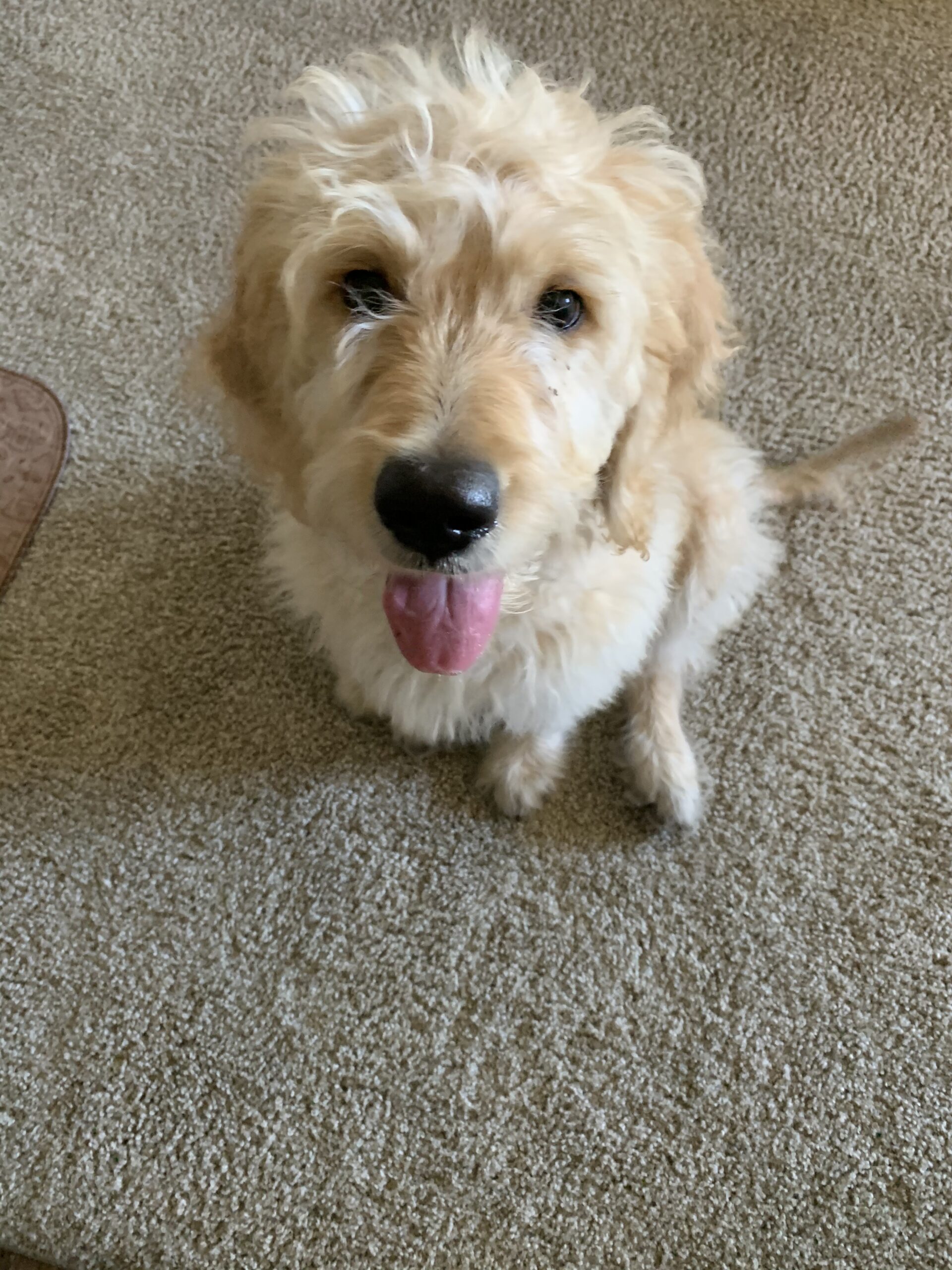
Can a dog improve cycling performance by helping you de-stress?
Stress destroys your cycling performance, but your furry friend might be your silver bullet against stress.
The answer to why this is might be as simple as asking you to remember a time when you played with a dog, saw one playing with another person, or even just watched one chase its tail. I’m certain you are reading this and are smiling just at the thought or memory of this.
The effects of cortisol, epinephrine, and norepinephrine in the body
For those unfamiliar, cortisol, epinephrine, and norepinephrine are hormones that serve a very important purpose within your body. Like most health challenges, the idea isn’t to eliminate these, but to create a controlled amount within our body, or to become more mindful of them and how they make you feel or respond.
Here are some of the long-term effects of elevated levels of cortisol, epinephrine, and norepinephrine in the body:
- Anxiety
- Depression
- Digestive problems
- Headaches
- Heart disease
- Sleep problems
- Weight gain
- Memory and concentration impairment
A worrying list of challenges that will, ultimately, hinder your cycling performance, and something you will surely want to improve.
How a dog reduces cortisol, epinephrine, and norepinephrine
While a study to see how a dog will reduce cortisol, epinephrine, and norepinephrine in endurance athletes isn’t available, we can see important relationships between dogs and other groups of people.
“Odendaal (2000) and Odendaal and Meintjes (2003) assessed changes in plasma cortisol in dog owners when petting their own, or an unfamiliar dog, or quietly reading a book. The interaction with their own dog, and also with the unfamiliar dog, but not the reading condition led to a significant decrease in the cortisol levels of the humans.”
and
“A study by Cole et al. (2007) compared a visit with a dog to a visit without a dog and the usual care in the hospital as control conditions among adults hospitalized with heart failure, which can be seen as a naturally occurring stressor. Significantly lower epinephrine and norepinephrine levels were measured during and after the dog visits.”
While we can’t take it as fact that a dog will reduce your cortisol, epinephrine, and norepinephrine levels, we can make a safe and fair assumption that they will. Given that simply petting or being present with a dog reaps potentially huge rewards, this is low load for substantial gains.
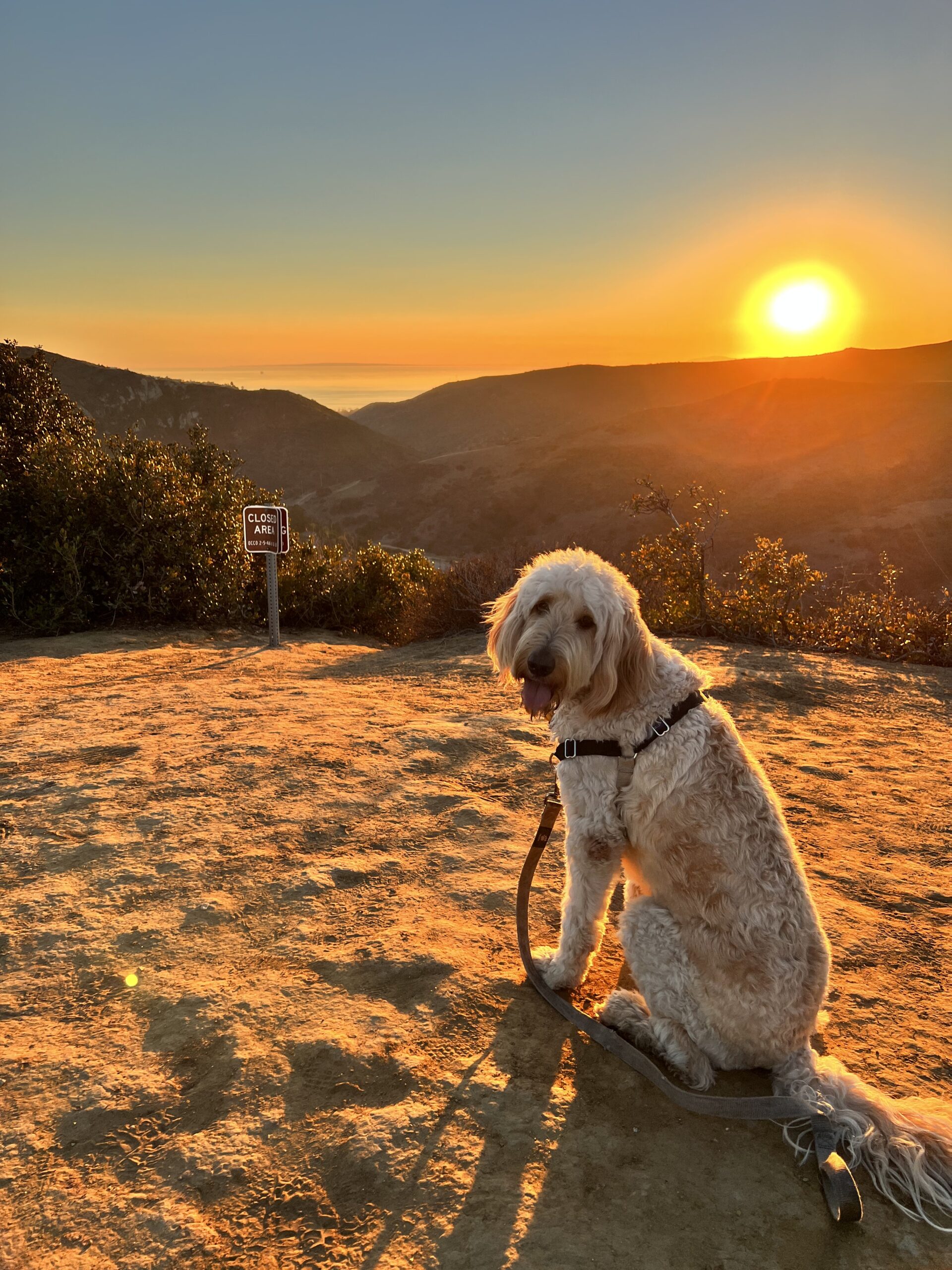
Can a dog improve cycling performance by aiding your recovery?
Now you take this one with a pinch of salt as the opposite may also be very true… if you’ve read my blog on recovery, you’ll know that I try to promote a life of relaxation, sitting down where possible, and general avoidance of anything physically strenuous that isn’t training.
Well, a dog won’t really let you do that, but there might be a nice trade-off for you. The question is ‘can you spare some physical exertion in exchange for all the benefits listed in this article?’.
Hopefully you’ll find that a dog will improve your recovery via one of the following methods more than they will hinder your recovery with walkies and playtime.
The effects of high blood pressure, heart rate, and heart rate variability in relation to recovery from athletic exertion
I doubt you’ll be surprised to find out that high blood pressure, high heart rate, and poor heart rate variability negatively affect your ability to recover from athletic exertion (this is in relation to your baseline and not a comparison against other people).
For high heart rate, and poor heart rate variability, it’s fairly straightforward and, presuming you have a basic understanding of heart rate training, you will know that the higher your heart rate is from a baseline measure, the harder your heart is working – of course, the harder your heart, and body, is having to work, the slower your recovery. The same is true of having poor heart rate variability and we typically use this as a strong measure of how recovered a cyclist is, and how ready they are for more strenuous training.
The effect of high blood pressure on recovery might be something you are less familiar with. High blood pressure has a number of negative effects on performance, it lowers your VO2 max for example. But we can actually use blood pressure as a measure of how recovered a cyclist is, with most people experiencing higher blood pressure when their body is struggling to recover from strenuous training.
We have a, somewhat, chicken and egg situation here as high blood pressure, high heart rate, and poor heart rate variability are all markers of poor recovery and all might actually contribute to poor recovery too.

How a dog improves blood pressure, heart rate, and heart rate variability
Again, I can’t imagine you’ll be surprised to find out that a dog improves blood pressure, heart rate, and heart rate variability among all types of people. Thankfully, there have been far more studies into this which we can show, and apply, to athletes.
“Overall, most of these studies show that the presence of friendly animals, both familiar or unfamiliar, can effectively reduce heart rate and blood pressure or buffer increases in these parameters in anticipation of a stressor. These effects may even be stronger with one’s own pet.”
The simple act of just having a dog in your company can reap these really quite substantial recovery benefits. The suggestion here is also that you can ‘borrow’ your neighbour’s dog for a bit to see if your cycling performance improves.
How a dog improves overall health
The healthier you are, the better your recovery. Of course, perfection is often a fool’s goal, but striving to be close to it will certainly see big improvements. Factors such as eating healthily, avoiding chemicals, sleeping well, and apparently dog ownership, will all improve your overall health; therefore your recovery too.
“In two review articles on pet ownership and human health, Wells (2007, 2009) concluded that there is evidence supporting the prophylactic and therapeutic value of companion animals to humans.”
In this case, we can see that having a furry companion will act in the same way that preventative medicine does. While the majority of the studies into how a dog improves overall health show that simply owning a dog will provide benefits, typically, these vary from cholesterol levels to frequency of doctor’s visits.
Can a dog improve cycling performance by improving your ability to suffer?
Can a dog help you suffer more on the bike? Can a dog help you get a new time trial PB? Can a dog help you nail that next FTP test? The answer, apparently, is yes.
While there are very few studies that have proven a correlation between dog ownership and better pain management, especially pain management in endurance athletes;
“reports point at a possible positive effect, indicating a reduced use of pain medication, especially in nursing homes and homes for the elderly (e.g., Darrah, 1996) with the presence of pets.”.
I know that it takes a long route to get to that point, but that’s why I didn’t lead with this… 😉

How a dog will help you with group rides
Studies do tend to be mixed on whether HAI reduces anxiety and/or improves calmness, especially in athletes, but in many groups of people, there have been studies that suggest animals will help.
“Overall, the majority of studies point to a positive effect of interactions with and observation of animals on self-reported anxiety and calmness, in particular under stress-prone conditions.”
How does this relate to group riding? Well for some it might not as it will depend on your confidence. From a personal anecdotal point-of-view, I remember riding in groups for the first time and being quite nervous, and I work with many of the newer cyclists that I coach, who haven’t ridden much in groups, on their ability and confidence in such a situation.
Certainly, the more you ride in a group the more calm you will be in one, but we’ve all experienced riders who put us on edge – especially if you’ve ever raced a CAT 4 / 5 crit.
That anxiety might be causing you many issues; inability to hold a line, inability to draft efficiently enough, increased stress and heart rate. None of this will help you complete a Gran Fondo with much pleasure, let alone win a race.
While I appreciate it took a long way to get here, dogs just might help you remain calm in groups, thus improving your riding within one.

Can a dog improve cycling performance?
- Improvement of performance via;
- improved pain management and
- a reduction of stress-related parameters, such as;
- epinephrine and
- norepinephrine
- Improved recovery via;
- an improvement of immune system functioning and
- a reduction of stress-related parameters, such as;
- cortisol,
- heart rate, and
- blood pressure
- Improved group riding technique via;
- a reduction of self-reported fear and
- anxiety
- Improvement of mental and physical health
Summary
A dog is a substantial long-term commitment rather than a performance aid, but lower stress, better day-to-day wellbeing and more confidence may all support your cycling alongside sensible training and recovery. If you would like help putting those fundamentals together, Book a Free Consultation.
Further reading
Many thanks to Andrea Beetz, Kerstin Uvnäs-Moberg Henri Julius and Kurt Kotrschal for their 2012 study ‘Psychosocial and Psychophysiological Effects of Human-Animal Interactions: The Possible Role of Oxytocin’ which I based my article on and referenced throughout.