Last Updated on 14 September 2026:
You have done the training for your big ride. Now your Gran Fondo preparation needs to make sure the final few days, your pacing, nutrition and kit choices help you arrive ready to enjoy it. These are the practical details that can stop a strong build-up being undone before, or during, the event.
Covered in this blog
- How to not ruin your Gran Fondo or Sportive in the final few days
- Training
- Preparation
- The day before
- The route
- Warming-up
- Mentality
- Nutrition
- How to not ruin your Gran Fondo or Sportive in the final day
- How to pace your Gran Fondo or Sportive
- Start easy
- Save the legs
- Use monitoring tools
- Take a friend (or two)
- Feed wisely
- Prepare your mind
- How to get your clothing right
- Bad weather, good ride
- Bad weather must-have kit
- Great weather, great ride
- Hot weather must-have kit
- Bad weather, good ride
How to not ruin your Gran Fondo preparation in the final few days
I will explain how I believe you should conduct the day immediately before your Gran Fondo or Sportive further down, but first I want to help you with the final few days, perhaps a week, out from your main event. Here are my seven-key points to ensuring you don’t ruin the few days leading into your event.
- Training
- Preparation
- The day before
- The route
- Warming-up
- Mentality
- Nutrition
- How to get your clothing right
Training
It is unlikely you will see any significant gains 2-3 weeks or less into your Gran Fondo or Sportive, so all you need to do is ensure you reach the start line fresh without undertraining. This is called a taper. Some people take a three week taper, some a matter of days. It can look like anything, but usually it is a reduction in the amount of training you do, while retaining a similar intensity. Test your taper prior to your key event using smaller rides, testing or races – then stick to it! Don’t do too much and don’t do too little!
Gran Fondo preparation
At least a week before your Gran Fondo or Sportive, you should have tested all your kit out. Anything that doesn’t get regularly used needs to be tested and anything that you’ll use on the day and not in between can be packed ready to go. Use this list of items you’ll need to take, think of every possibility and then get it all ready asap.
The day before
You should have a day before, or activation, session and routine sorted well before your Gran Fondo or Sportive. Again, testing smaller events and races is a great time to practice exactly what you should do the day before your big day. It might look like thirty minutes to an hour of easy riding with some short but hard efforts similar to the intensity of your “A” event in it.
Having an effective day before routine will prepare your mind as much as your body and leave you knowing that all you have to do is nail your event! Don’t get distracted, get it done!
The route
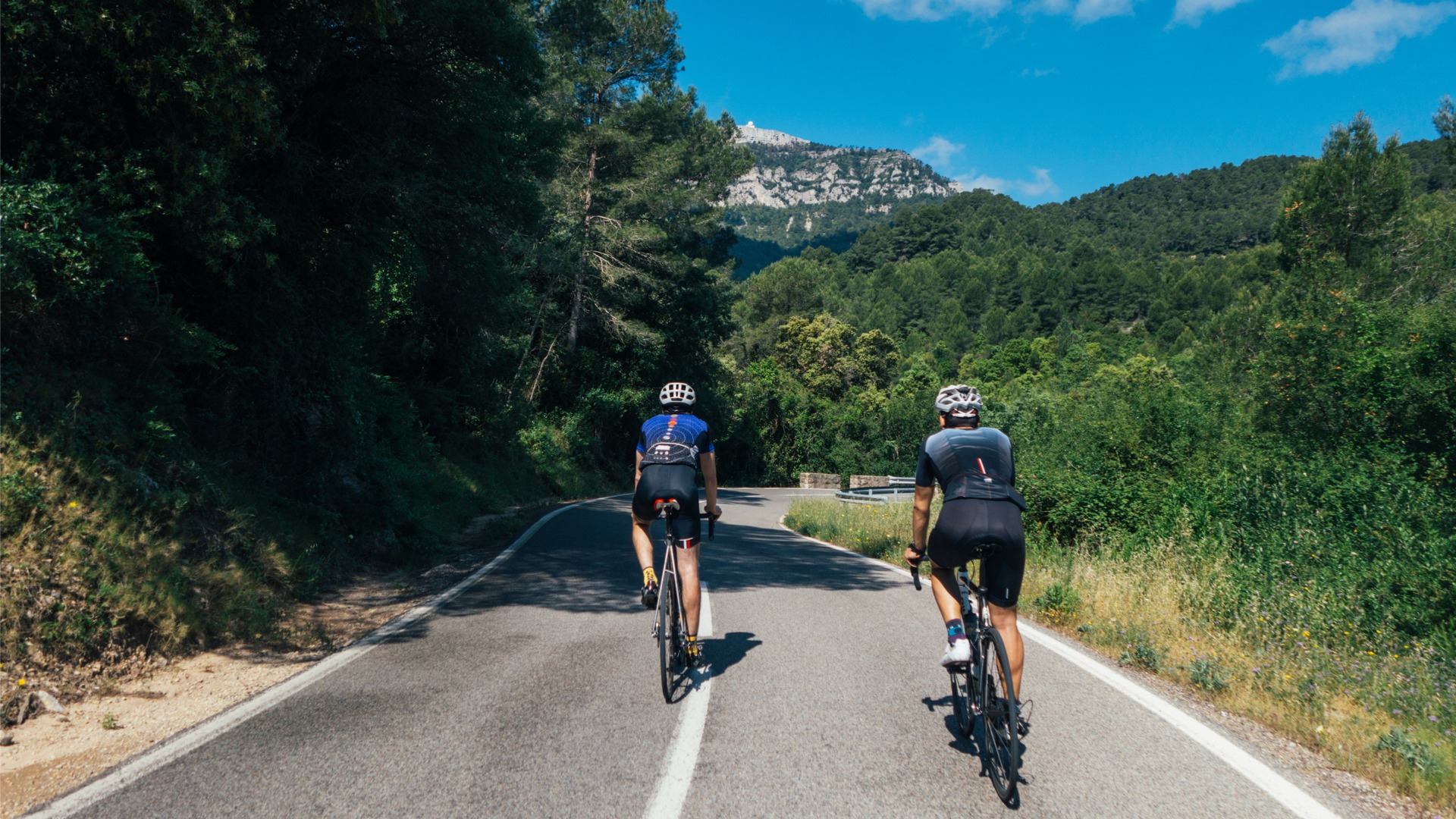
In an ideal world, your Gran Fondo preparation will include you having ridden the course numerous times prior to your event. If this isn’t possible then you could watch a video of it leading into the big day, once might not be enough so play it while you train or do your taper sessions. Worst case, drive it the day before or morning of. Anything is better than nothing and knowing the course inside out will make a huge difference to your mentality.
Warming-up
You should have an effective warm-up that is relevant to your event sorted long before your Gran Fondo or Sportive. The key factors for this are usually just to ensure your body is ready for the effort you’re about to put in. The one thing that gets forgotten is how important prepping your mind is to having a great ride.
During your warm-up, you might consider playing motivational music, a short video, repeating affirmations or power phrases. Get in your bubble and don’t get distracted. If you’re doing this on the road, be careful! Try to factor in as much of your normal warm-up as possible.
Mentality
Having a positive mental attitude plays a massive part in having a good ride. Put yourself under too much pressure or allow negative thoughts to consume your mindset and you’re setting yourself up for failure.
While this kind of training takes a while, some gains can be made in the short-term, if you are new to mental training. Remember to focus on the moment rather than the outcome. Mainly, remember to enjoy it!
Nutrition
You should know exactly what you’ll be able to eat and drink by testing it during training. You should know the exact amounts, what will be ok in your stomach and what will give you the energy to finish strong.
Do not deviate from your plan, eating something off plan is the quickest way to failure. If you’re riding a sportive or can’t carry all your food check out what they’ll have at feed stations and try to test it prior, even off the bike if necessary.
How to not ruin your Gran Fondo preparation in the final day
You’ve successfully navigated the last few days and now you are trying not to mess up the day before. The day before your Gran Fondo or Sportive is almost as important as the event itself, almost…
Some of this list might seem like common sense, but it’s easy to make a mistake and do something stupid the day before your Gran Fondo or Sportive. Here are my top 10 things NOT to do the day before your big ride.
- Don’t do nothing. This will surprise some people but actually I don’t know many who perform better the day after complete rest. Some form of day before routine is essential. Just don’t leave it until the day before the event to develop, use smaller events and testing to do this. Once you’re settled on what works do not change it the day before target races!
- Don’t eat junk food. Fairly common sense, but it is easy to mess this up if you’re travelling to an event or with your cycling buddies. Eat a decent meal.
- Don’t forget to hydrate. In the same way that carb loading might be useful for someone racing longer than a couple of hours, hydrating more could have a similar effect. This is particularly important if it’s going to be hot.
- Don’t stay up late. Sleep is one of the most important factors of recovery. Don’t make it harder on your body to be ready for your Gran Fondo or Sportive by staying up too late.
- Don’t adjust your bike. Do not under any circumstance change anything on your bike the day before unless you absolutely have to. Have your bike ready at least a week in advance.
- Don’t adjust your kit. The same goes for the rest of your kit. The day before your big event is not the time to change cleats, footwear, headwear, try new shorts, anything. Stick to what you know works and bring double of everything.
- Don’t forget your bag. Pack a bag with all your bits in it and then don’t forget it. Checkout this list of items so you never forget anything.
- Don’t do anything stressful. Do not allow yourself to get stressed! Probably harder than it seems, especially if you’re travelling or with your riding buddies and trying to check into hotels. Stress will contribute to mental fatigue and make for a poor ride.
- Don’t drink or take drugs. Sounds obvious, but avoid anything like drink or drugs. Drugs include remedies such as sleeping pills, which might remain in your system race day making you feel lethargic.
- Don’t change your plan. If you’ve spent months training in a specific way the last thing you should do is change that even if it seems like it’ll be for the best. It’s probably just nerves or excitement but stick to your game plan. Unrehearsed changes are a recipe for disaster!
How to pace your Gran Fondo or Sportive
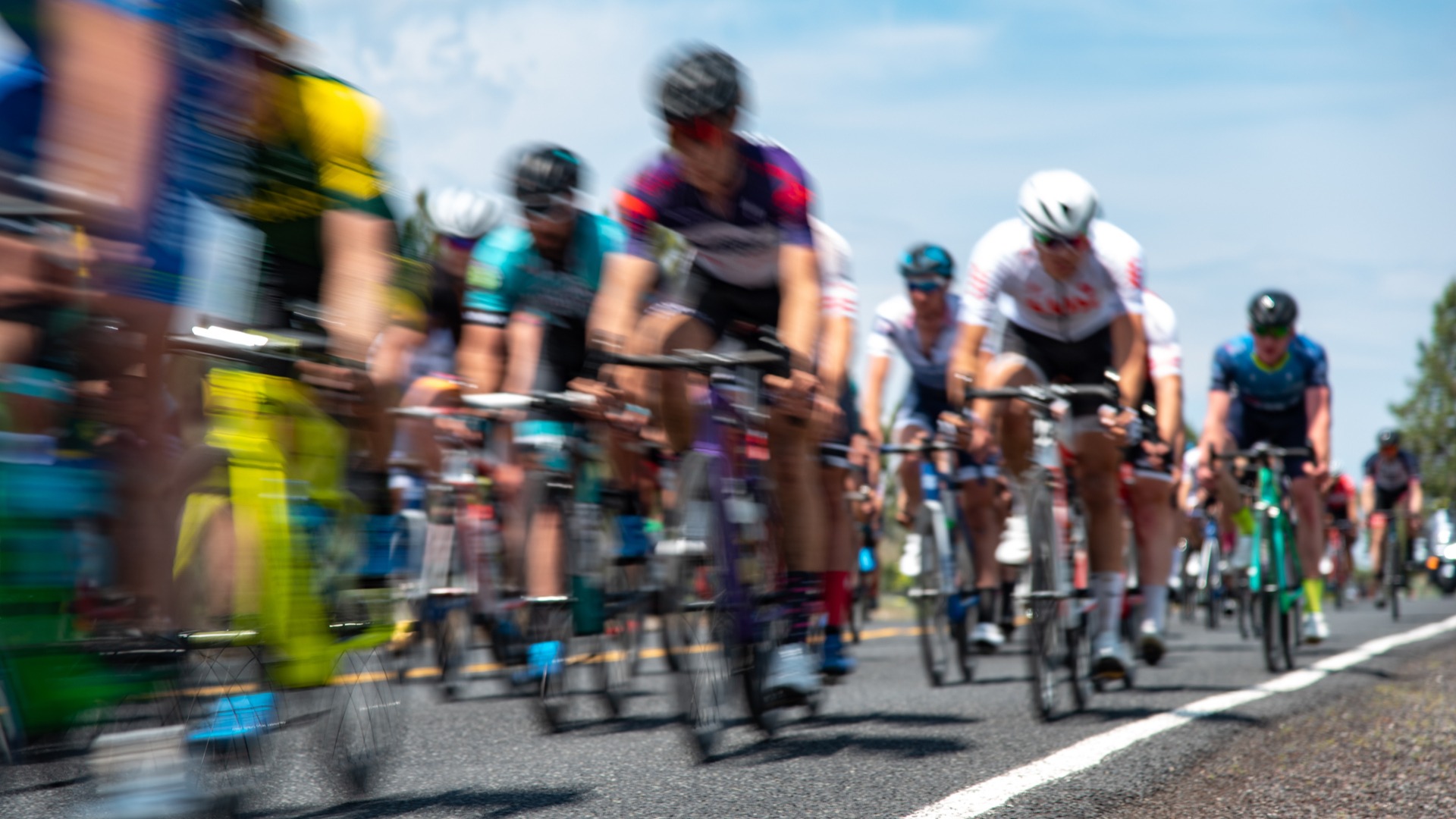
Inspired by the Italian Gran Fondo, which is historically at least 120km long, there’s no doubt that sportives are a test of endurance – regardless of whether you’re seeing yours as a social ride or a test.
At this point you’ve spent some time in the saddle for your Gran Fondo preparation, you’ve navigated the last few days, and completed your day before routine with perfection, but do you have your pacing strategy at-the-ready, too?
This is an all-too-often forgotten aspect, yet it’s critical for success and enjoyment. Here are my top tips to help you find the perfect pace and note ruin your Gran Fondo preparation:
- Start easy
- Save the legs
- Use monitoring tools
- Take a friend (or two)
- Feed wisely
- Prepare your mind
Start easy
There’s nothing quite like that early-morning sportive atmosphere; the checking of PSI, the pinning of race numbers and the strategic placing of gels – the buzz at the start line is almost tangible. But after the tape is lifted, avoid the temptation to sprint off in excitement. Instead, settle into a warm-up and find your steady pace for the day – you may well be passing the riders later that started out too fast.
Save the legs
Throughout the event, it’s tempting to speed past those riders who just passed you – but avoiding unnecessary surges will improve your ability to ride strong to the end. In addition, optimise your riding position and gearing to maximise energy; staying seated in the saddle and adopting a higher cadence will save the legs for when you really need it on that final climb.

Use monitoring tools
Riding with power is becoming increasingly affordable, with power meter prices gradually coming down and bikes being fitted with meters straight out of the box. If you have it, use power on race day to pace the climbs effectively.
If not, heart rate monitors are another great tool for pacing – staying in your aerobic zone throughout the day – where possible, this isn’t a reason to get off and push! – will maximise your ability to maintain a level effort throughout the day. Dipping into, and over, your threshold will dig away at your reserves. Without power or heart rate monitoring to hand, being aware of how your body feels is a great tool in itself – if you can chat, for example, you’re likely riding at a sustainable pace.
Take a friend (or two)
Riding closely with a group of friends will dramatically increase your average speed without dramatically increasing your effort. Wheel-sucking can serve-up gains to the tune of 30-40%, so working together is a great way to ensure that your energy stands up to your time goals. Team efforts also improve morale when the going gets tough.
Feed wisely
Your plan for hydration and replenishing glycogen stores should work hand-in-hand with your pacing strategy. Eat early, and regularly, and hydrate, especially on hotter event days.
Be aware that if you do dig a hole, your mental ability will take a hit, so you may forget to eat and drink – so planning how often you’ll fuel and sticking to it methodically (using time) throughout the day will help. If you do get into bonk territory, being armed with an emergency caffeine gel can work wonders to get you to that next checkpoint where you can refuel.
Prepare your mind
A long day in the saddle over a challenging course can be daunting – but splitting the task into sections is an achievable mental approach that’s widely used by sportive riders and pros alike. Gran Fondos and Sportives aren’t short of checkpoints, so use these shorter goals to keep your head strong when your legs begin to tire.
Finally, don’t forget to enjoy it – with plenty of races and time trials on offer these days, there’s nothing like a ride that allows you to lift your head and soak up the scenery with riding buddies – and that’s what summer riding is all about.

For proper Gran Fondo preparation, get your clothing right
As summer approaches, the cycling calendar is jam-packed with many Gran Fondo and Sportives to get stuck into. The right clothing (aka kit) can make a massive difference on your experience of these events.
You’ve likely already got the basics down: your favourite jersey, padded shorts or bib shorts, helmet, cycling gloves, shades – and socks worthy of a #sockdoping social post. But there are some extra kit considerations specific to the weather you’ll be riding in.
Bad weather, good ride
We’ve all been there: you’ve done the sportive training, bought a shiny jersey for the occasion and the weather has been glorious all working-week long. Then sportive day arrives and brings with it clouds of doom. Fear not! Even if you’re expecting a cold, wet and windy day – you can still enjoy the ride if you’ve got the right kit.
First up, even on bad weather summer days, it’s usually fine to stick with shorts and short-sleeved jersey, because the temperature is, on average, high enough. Carrying some additional packable items won’t add much to cycling weight, but will be worth their weight in gold when it gets chilly or wet.
A packable lightweight cycling jacket will ball-up to a small size and is easily whipped out to weather a passing shower. If it’s wet, but hot, opting for a packable gilet will keep you cooler while keeping your torso dry. Removable arm warmers are easily packed away and make a big difference when cycling into the wind – and quality summer versions are made to be lightweight and wicking.
If rain is a dead-cert, then you might like to add summer overshoes to avoid trench foot come sundown. Avoid the fleecy winter overshoes, and opt for simple Lycra. Not only will this protect your feet from spray and dirt, but keep you more aero too. The addition of a lightweight summer cycling cap with a decent sized peak (worn down!) helps to keep the rain out of your face.
Finally, wet weather and long days in the saddle mean a higher chance of puncture. So take your inner(s), and a patch kit too….because nobody wants to end their sportive day sat in the sag vehicle with an unfixable flat.
Bad weather must-have kit:
- Packable jacket or gilet
- Arm warmers
- Gloves
- Extra puncture protection
- Consider: rain peak cycling cap and summer overshoes
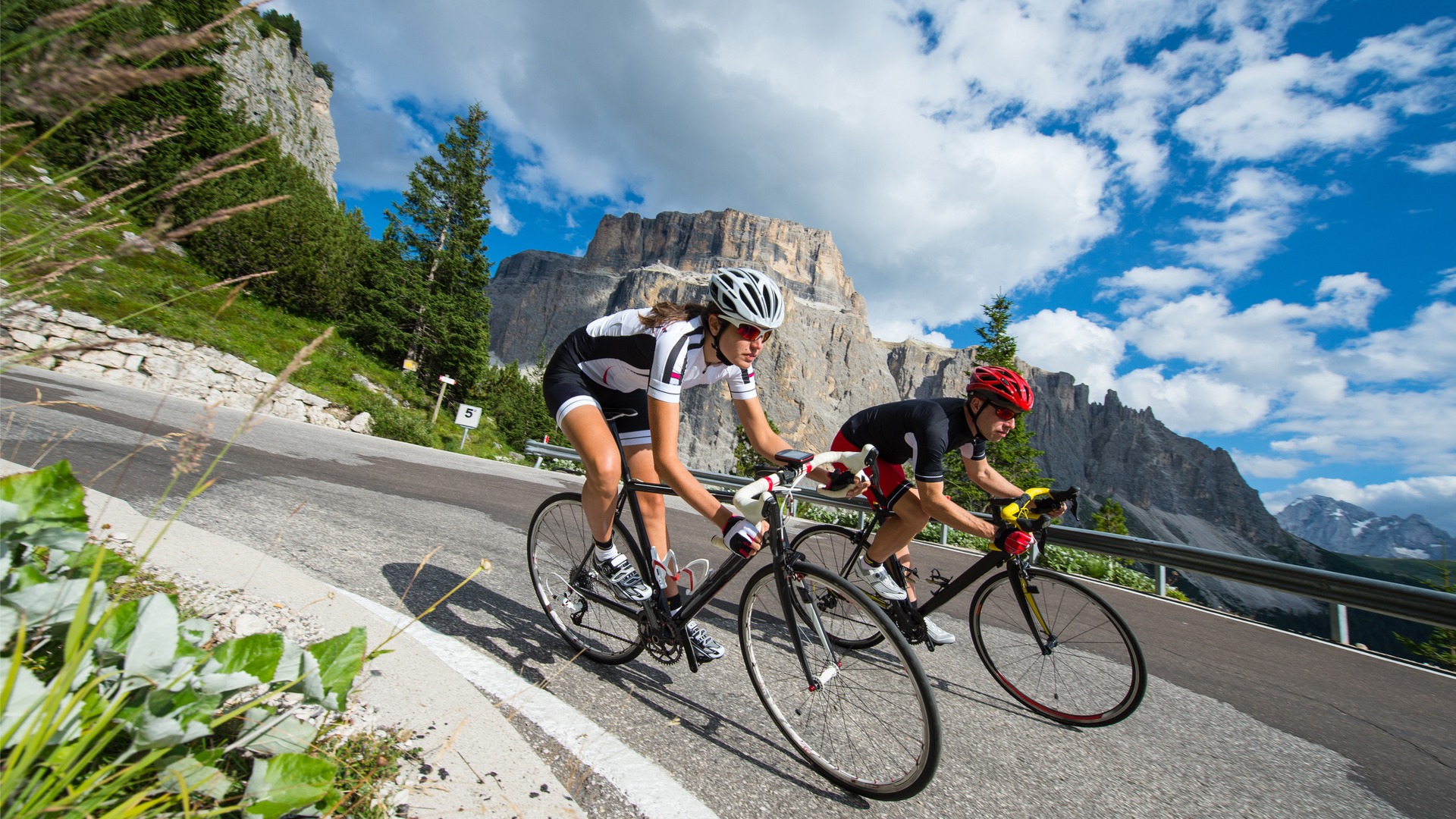
Great weather, great ride
If you’ve got sunshine and warmth in store for your event, first of all – yes! Second of all, should you just wear your summer basics and nothing else? While the minimal pro-look is tempting, carrying arm warmers is a great shout for glorious days, too.
Gran Fondos and Sportives can start really early so, even on the fairest days, a pair of arm warmers are a must-have for that early morning chill; and if your course is hilly, you’ll be glad to have them to hand before the last sweeping descent of the day. What’s more, worn on really sunny days, not only will summer cycling sleeves protect you – with many serving up UPF ratings (the textile equivalent of SPF) – but coverage can keep you cooler, too.
When the sun’s beating down, protect yourself from damaging rays and heat stroke with a neck protector, (usually a tube of material) and consider a small-peaked summer cap made from lightweight moisture-wicking material. Fingerless gloves will stop sweaty bars, shades are a must – and don’t forget your sunscreen!
Great weather must-have kit:
- Head/neck protection
- Shades
- Gloves
- Sun cream
- Consider: arm warmers and packable gilet
Summary
A clear plan for the final days, event-day pacing, fuelling and clothing will help you ride with more confidence and make the most of the work you have already done. If you would like help building a plan around your next target, Book a Free Consultation.
Additional Gran Fondo preparation reading
If you’d like to dig into the science behind ideal Gran Fondo preparation, here are some studies I used for this blog:
- Academy of Nutrition and Dietetics, Dietitians of Canada and American College of Sports Medicine position paper, Nutrition and Athletic Performance: to support the general sports-fuelling guidance.
- Be Aware of the Benefits of Drafting in Sports and Take Your Advantage: A Meta-Analysis: to support drafting in cycling.
- NHS sun safety guidance: to support the recommendation to protect skin during long sunny rides.