Last Updated on 14 September 2026:
Healthy eating can become unnecessarily stressful when foods are labelled simply as healthy or unhealthy. The 80:20 rule for healthy eating offers a practical way to prioritise nourishing foods while still enjoying the things you like, without turning every meal into a test. It is an approach built around balance, flexibility and consistency.
Covered in this blog:
- Why moderation matters
- The science behind enjoying your food
- The 80:20 rule
- Practical tips for applying the 80:20 rule
- The role of nutrient-dense foods
- Staying satiated
- Summary
- References
Why moderation matters
Research shows that diets are more effective and sustainable when they include foods we like. Many studies have found that dietary adherence is significantly higher when individuals are allowed flexibility in their eating plans (1). This flexibility can reduce the risk of binge eating and help maintain long-term dietary changes. Rather than labeling foods as “good” or “bad,” focusing on moderation allows for a more positive and less restrictive relationship with food.
The science behind enjoying your food
Eating foods you enjoy isn’t just about pleasure; it’s about sustainability. Most studies highlight that dietary patterns which restrict certain foods can lead to increased cravings and eventual overeating (2). By incorporating a variety of foods, including those you love, you create a balanced approach that is easier to maintain over time. Enjoying your food can also enhance your overall eating experience, making meals more satisfying and enjoyable.

The 80:20 rule for healthy eating
The 80:20 rule is a practical way to achieve balance in your diet. It suggests that 80% of your food intake should come from nutrient-dense, whole foods, while the remaining 20% can be reserved for treats and indulgences. This approach helps you enjoy your favorite foods without feeling deprived, reducing the likelihood of overindulging.
Practical tips for applying the 80:20 rule for healthy eating
- Plan your meals: Focus on including a variety of fruits, vegetables, lean proteins, and whole grains in your daily meals. This will make up your 80%. Meal planning can help ensure that your diet remains balanced and nutrient-rich.
- Mindful indulgence: Enjoy your favourite treats mindfully. Savoring a small portion can be more satisfying than mindlessly eating a large amount. Mindful eating practices can enhance your awareness of hunger and fullness cues.
- Listen to your body: Pay attention to hunger and fullness cues. Eating when you’re hungry and stopping when you’re satisfied helps maintain balance. This approach can prevent overeating and promote a healthier relationship with food.
- Stay flexible: Life is unpredictable, and so is eating. Allow yourself to be flexible and adapt to different situations without guilt. Flexibility can help you navigate social situations and special occasions without stress.
The role of nutrient-dense foods
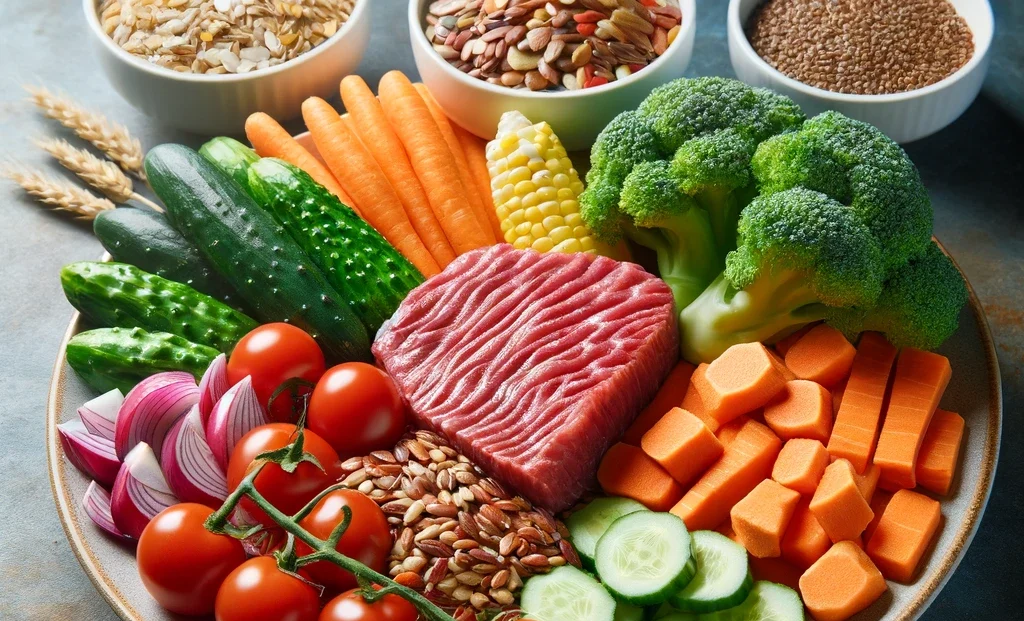
Focusing on nutrient-dense foods ensures that your body gets the essential vitamins, minerals, and macronutrients it needs to function optimally. These foods provide sustained energy, support overall health, and can even improve mood and cognitive function. Examples include:
- Fruits and vegetables: Rich in vitamins, minerals, and fibre, these foods are essential for overall health. They provide antioxidants that protect against chronic diseases.
- Lean proteins: Essential for muscle repair and growth, lean proteins can keep you feeling full and satisfied. Examples include chicken, fish, beans, and legumes.
- Whole grains: Provide sustained energy and support digestive health. Whole grains such as quinoa, brown rice, and oats are excellent sources of fiber.
- Healthy fats: Important for brain health and hormone production. Sources of healthy fats include avocados, nuts, seeds, and olive oil.
Staying satiated using the 80:20 rule for healthy eating
Feeling satisfied after meals is crucial for maintaining a balanced diet and avoiding overeating. Here are some tips to help you stay satiated:
- Hydration: Staying hydrated is essential for overall health and can help control hunger. Sometimes, thirst is mistaken for hunger, leading to unnecessary snacking. Aim to drink at least 8 cups (2 liters) of water daily.
- Increase protein intake: Protein is highly satiating and can help control appetite. Include protein-rich foods such as eggs, lean meats, dairy products, and plant-based proteins like tofu and lentils in your meals.
- Fibre-rich foods: Foods high in fibre take longer to digest, keeping you full longer. Incorporate fruits, vegetables, whole grains, and legumes into your diet to boost fibre intake.
- High satiation foods: Some foods are naturally more filling than others. According to the Satiety Index, boiled potatoes, eggs, oatmeal, and fish are among the most satiating foods (3). Including these in your meals can help you feel fuller for longer.
Summary
Healthy eating isn’t about strict rules or eliminating certain foods. It’s about making choices that nourish your body while allowing you to enjoy the foods you love. By applying the 80:20 rule, you can create a balanced diet that supports long-term health and well-being. Remember, moderation is key, and finding a sustainable approach to eating is the best way to achieve your health goals. Prioritising hydration, protein, fibre, and high satiation foods can help you stay satisfied and maintain a balanced diet.
A balanced approach is easier to sustain when it fits your training, lifestyle and the foods you genuinely enjoy. If you would like help applying these principles to your own goals, Book a Free Consultation.