Last Updated on 17 September 2026:
The foods that kill cycling performance are not always the obvious high-calorie treats. What you eat supports recovery and adaptation from training, so this article looks at the foods and food-related chemicals I would limit, plus practical ways to make better fruit and vegetable choices.
Covered in this blog
- Foods to limit as a cyclist
- Top foods that kill cycling performance
- Fruit, vegetables, and pesticides
- How to reduce the risk of pesticide poisoning
- Where to find fruit and vegetables with no pesticides

Foods to limit as a cyclist
All that training amounts to nothing if you don’t fuel it well. While you might get away with eating large amounts of calories when cycling, consider that what you eat will be used to repair your body and adapt into a stronger athlete. It is important to consider what makes up your food. While plant based foods often offer the highest nutrient density, they aren’t necessarily the best fuel. While a calorie dense supply of gels might work better here, you don’t want to live on them, neither.
Top foods that kill cycling performance
All that said, there are some foods that will likely foods that kill cycling performance when over consumed:
- Alcohol (yeah, sorry, there is no safe amount and this is probably the worst offender for foods that kill cycling performance!)
- Foods that contain a lot of trans fats
- Some ultra processed foods, but mainly this is because of the above and lack (typically) of nutrients
- Flirting with the boundary of this article, but will include edibles (just cause it’s legal in California, doesn’t make it good!) and other drugs (even OTC or prescribed, check with your doctor!)
Fruit, vegetables, and pesticides
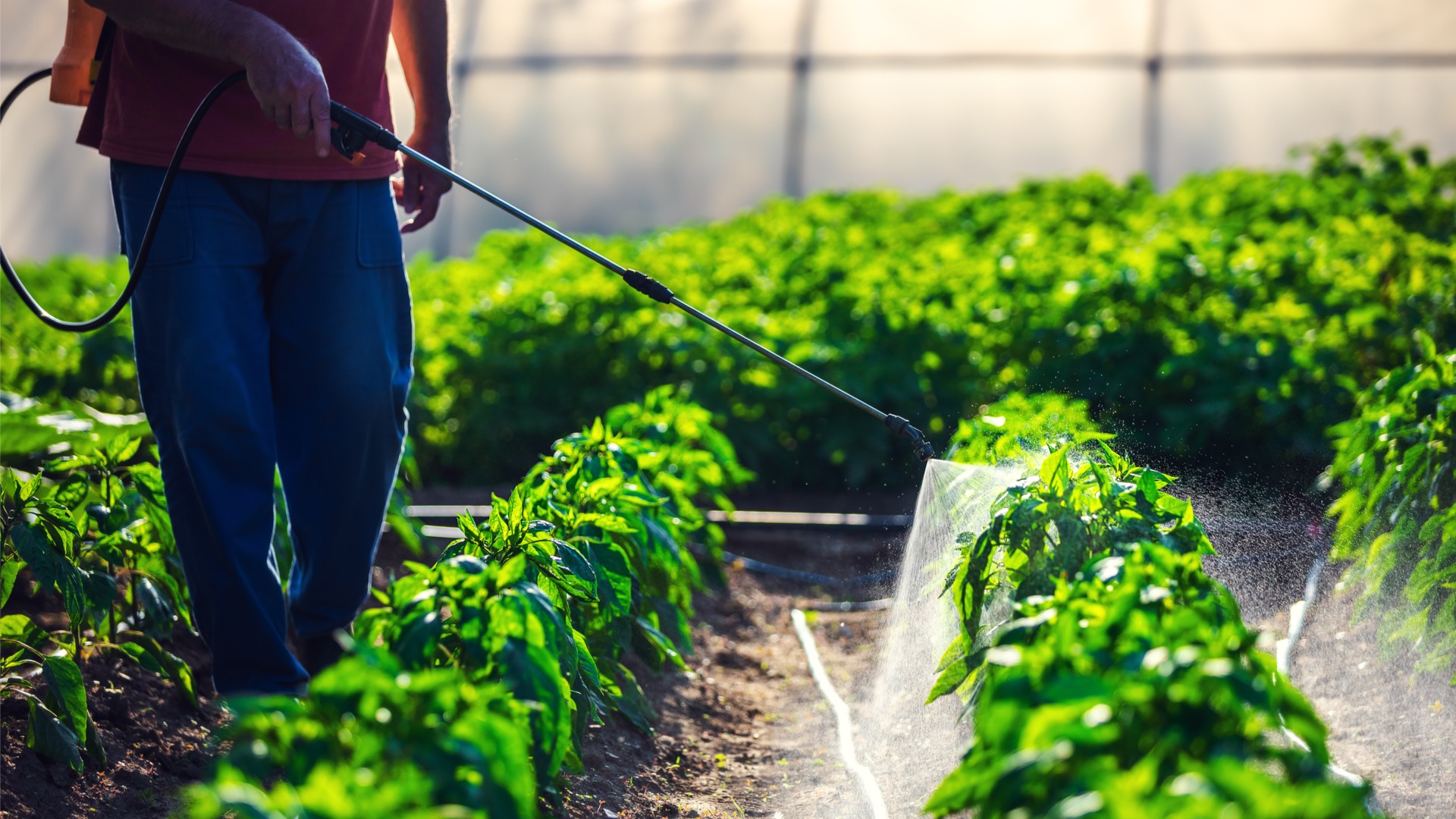
Fruit and vegetables will unlock your cycling performance gains! We know that a diet rich in fruit and vegetables is proven to aid recovery and thus improve cycling performance. Unfortunately, with the need to make crops resistant to bugs and other nasties, we introduced something that might have the opposite effect. In fact, it might do a few things much worse.
“Nearly 70 percent of the fresh produce sold in the U.S. contains residues of potentially harmful chemical pesticides, according to EWG’s analysis of the latest test data from the federal Department of Agriculture.” Environmental Working Group (EWG)
While we still need more research on longer term issues associated with acute pesticide poisoning, the shorter term issues are worth avoiding. One study in women undergoing infertility treatment found that those with a:
“higher intake of high–pesticide residue fruits and vegetables was associated with a lower probability of live birth, while low–pesticide residue fruit and vegetable intake was not associated with this outcome.”
The World Health Organization (WHO) also considers pesticide poisoning a serious problem:
“Pesticides are among the leading causes of death by self-poisoning, in particular in low- and middle-income countries.”
A study in 2008 showed that 300,000 people may be dying in Asia every year from acute pesticide poisoning:
“They {pesticides} may induce adverse health effects including cancer, effects on reproduction, immune or nervous systems.” WHO.
Of course, all the evidence I have provided can be seen as both extreme and unlikely to cause any health issues for you. My point isn’t scaremongering here, but a gentle reminder to wash your fruit and vegetables thoroughly, limit your contact with pesticides (this really only occurs if you are handling them, you will likely never experience touch related issues from store brought fruits and vegetables unless you pick them from the field after a recent pesticide spray).

How to reduce the risk of pesticide poisoning
The most obvious answer is to eat organic, but even organic food contains certain pesticides.
“Most people wrongly assume that no pesticides are used in organic farming. However, it is important to note that organic farming takes a completely different approach to the use of pesticides compared to conventional farming.” Pesticide Action Network (PAN)
Again, wash your fruits and vegetables if you buy from a store or farmers market.
Where to find fruit and vegetables with no pesticides
For this to have any meaning, we might need to accept that what we are talking about is pesticides known to cause health complications. Even then, we need to take a leap of faith that there is no contamination in the soil, water, or even air that you might use in my solution.
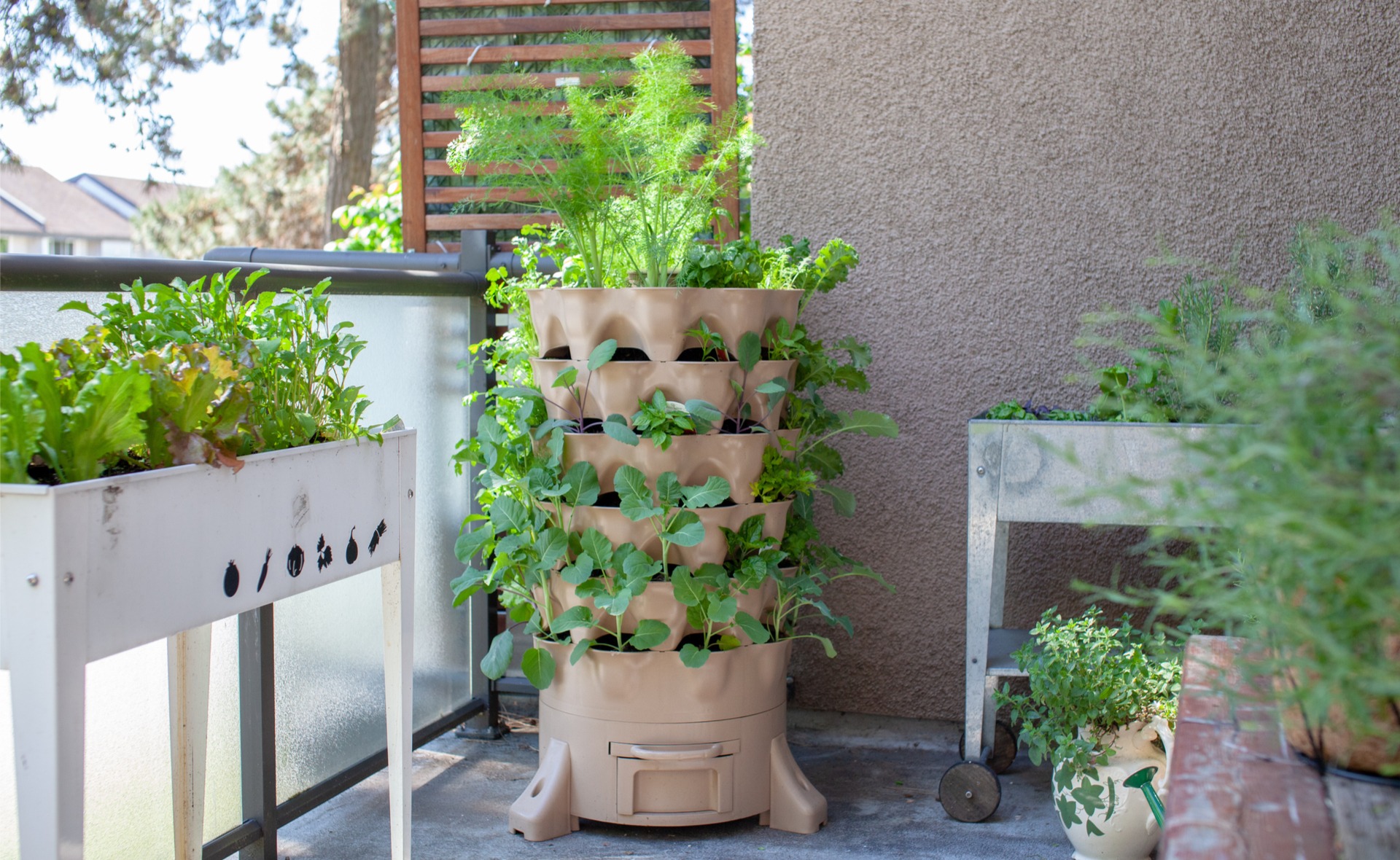
I’m a huge supporter of growing your own. Granted you might not be capable of growing all your food; time, space, access, convenience, and weather are among the common reasons that make being completely self-sufficient challenging. Combining a few different methods might be enough to see some impressive cycling performance improvements.
Hydroponic and aeroponic systems can provide a unique and visually pleasing solution to those who believe they can’t grow their own, and often these systems actually make home-farming a pleasure and hobby – even if you might have to make a substantial purchase at the start, they will save you money and improve your health and cycling performance in the long term.
Summary
The solution might be a combination of growing your own or ensuring you wash your fruits and vegetables thoroughly. This would ensure you get the most affordable, and healthiest, diet full of fruits and vegetables.
You do not need a perfect diet, but making a few considered food choices can better support your recovery, health and time on the bike. If you would like help putting the nutrition side of your training into a practical plan, Book a Free Consultation.