Last Updated on 15 September 2026:
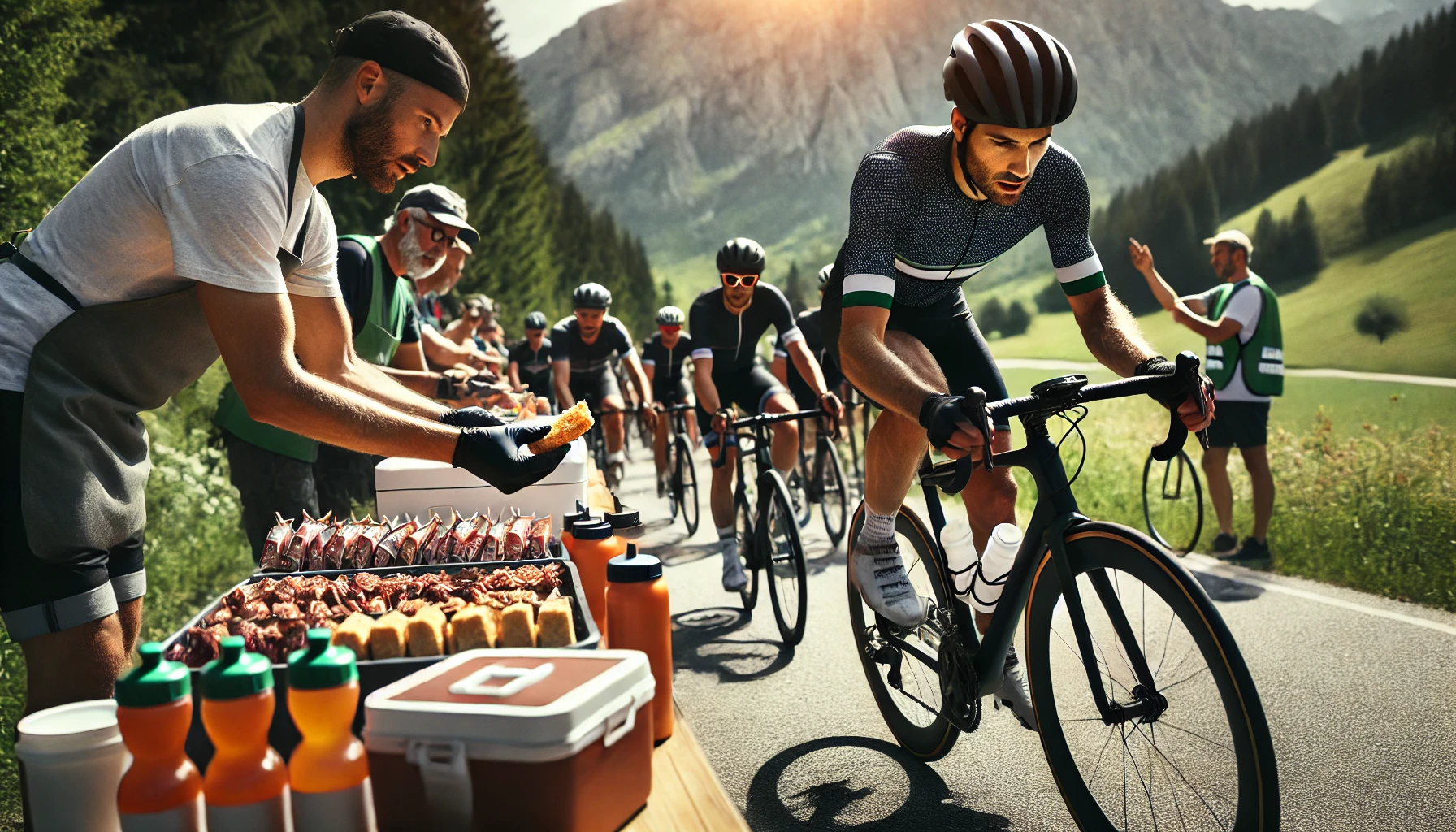
Cycling feed station food can be a useful lifeline during a sportive, Gran Fondo or long-distance event, particularly when carrying everything yourself is impractical. But convenience comes with trade-offs, including less control over your fuelling, unfamiliar ingredients and hygiene concerns. Here’s how to decide when feed station food makes sense and when you are better relying on your own supplies.
Covered in this blog:
- The pros
- Easy access to fuel
- Variety of food options
- Energy boost
- The cons
- Lack of fuelling precision
- Risk of GI issues
- Hygiene concerns
- Allergy and sensitivity risks
- Tips for safely using feed stations
- Scout the feed stations in advance
- Carry a baseline of personal fuel
- Stick to what you know
- Bring wet wipes or hand sanitiser
- Train with similar foods
- When to skip the feed stations
- Summary
The pros of cycling feed station food
Easy access to fuel
Feed stations are strategically located to support riders at regular intervals. They’re incredibly convenient, especially for long-distance events, ultra-endurance challenges, or Gran Fondos, where carrying all your own food might be impractical.
Variety of food options
Many feed stations offer a selection of food, ranging from carbohydrate-rich snacks like bananas and energy bars to electrolytes and sugary treats for a quick pick-me-up. This variety caters to different riders’ needs and preferences.
Energy boost
In endurance cycling, timing is everything. Feed stations can be lifesavers when riders hit a low, giving them the energy needed to tackle the next stretch. If you’re on a tight energy budget, having this resource can help keep you from bonking.
Summary:
- Easy access to fuel
- Variety of food options
- Energy boost
The cons of cycling feed station food
Lack of fuelling precision
While feed stations offer food variety, you lose control over the exact fuel you’re consuming. It’s hard to know the precise carb, fat, or protein content, and there’s rarely any control over portion size. For riders following a strict nutritional strategy, relying solely on feed stations can disrupt the consistency they’ve trained with.
Risk of GI issues
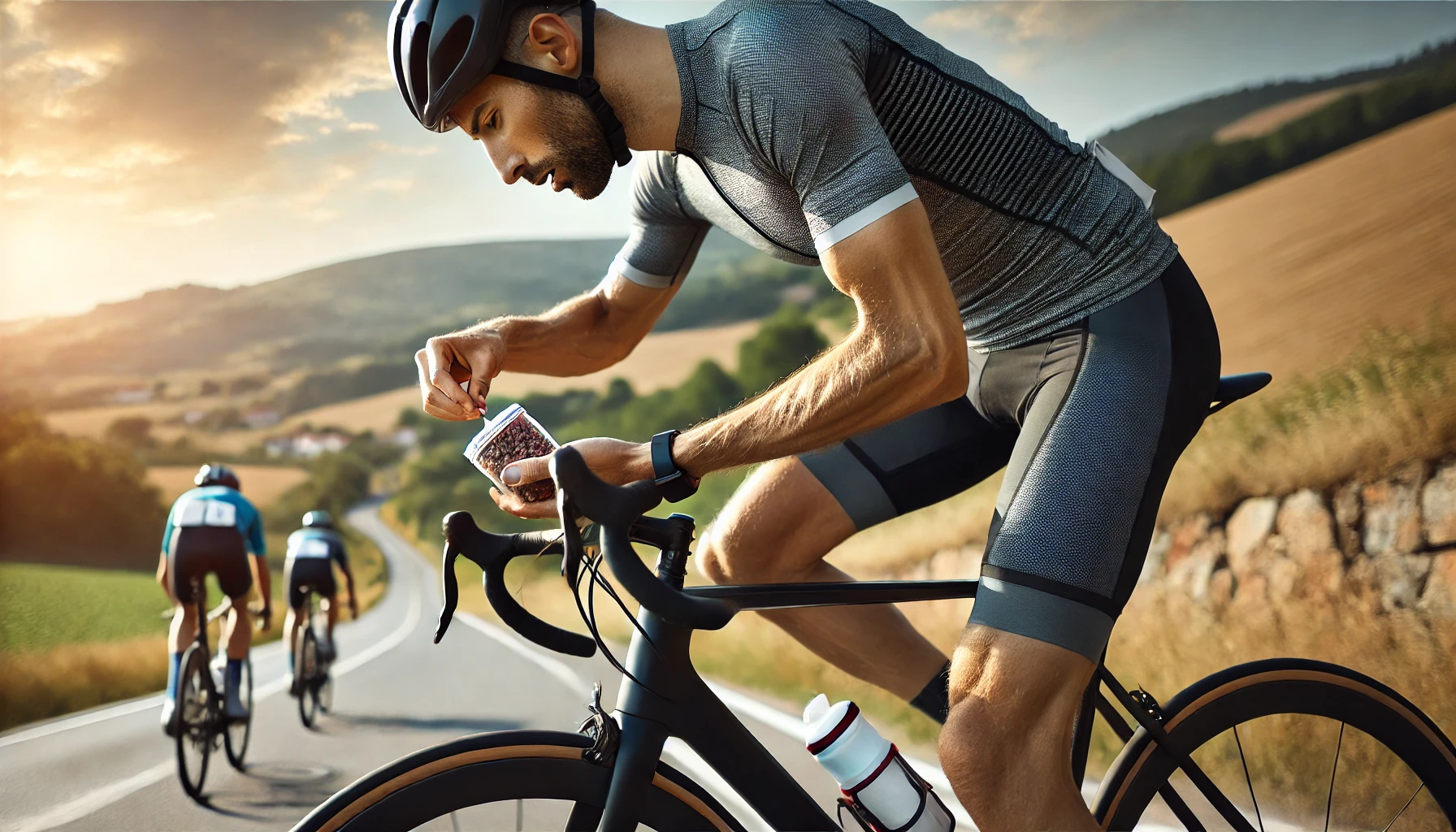
Stomach problems on the bike can end an event prematurely, and unfamiliar food can be a big trigger. Many feed stations serve high-sugar, high-fat snacks, which might not sit well for those prone to GI distress. Eating foods you haven’t trained with can lead to unpleasant surprises like cramps, bloating, or even a mid-ride bathroom dash.
Hygiene concerns
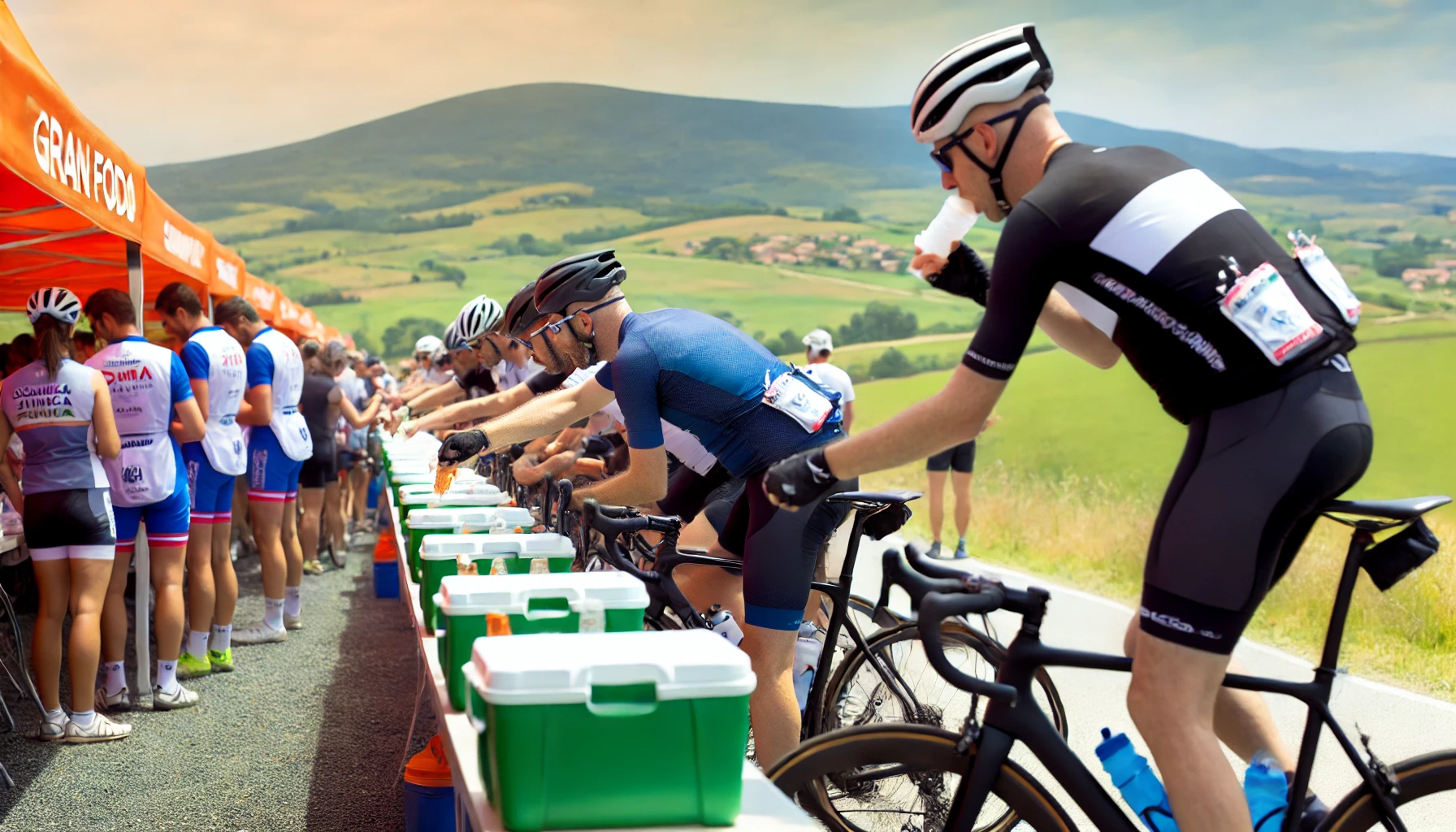
Feed stations see a high volume of riders handling the same food items, creating a risk of cross-contamination. If food isn’t properly covered or stored, it can become a source of bacteria or other germs, which might not be worth the risk during a ride. For those sensitive to hygiene or riding in places with questionable food handling practices, it’s worth being cautious.
Allergy and sensitivity risks
For cyclists with food allergies or intolerances, feed stations can be a minefield. Even if ingredients are listed, cross-contamination is a real risk in high-traffic settings. Riders with specific dietary requirements, such as gluten-free or nut-free diets, may find the selection too risky or limited.
Summary:
- Lack of fuelling precision
- Risk of GI issues
- Hygiene concerns
- Allergy and sensitivity risks
Tips for cycling feed station food
If you decide to use feed stations, here’s how to maximise the benefits while minimising the potential downsides.
Scout the cycling feed station food in advance
If the event organiser provides information on feed station contents, check it out beforehand. Knowing what’s available can help you plan what to carry versus what to pick up. Some events even provide allergy information, which is valuable if you’re managing dietary restrictions.
Carry a baseline of personal fuel
Even if you plan to use feed stations, it’s a good idea to bring some of your own food, especially items you’ve trained with. Having a few trusted snacks stashed in your jersey can offer a buffer if the feed station selection doesn’t suit you.
Stick to what you know
While the spread of cookies and chips may look tempting, stick to familiar options if you’re prone to GI issues. Try to grab the basics, like bananas, bread, or packaged items, which are generally easier on the stomach and less likely to be cross-contaminated.
Bring wet wipes or hand sanitiser
A small pack of sanitising wipes or gel in your pocket can be a handy precaution for grabbing food at busier feed stations. This step can reduce the risk of germs, especially if you’re in a crowded setting where hygiene isn’t strictly enforced.
Train with similar foods
If you know you’ll rely on feed stations, train with similar foods leading up to the event. Experiment with common items like bananas, sports drinks, and simple carb snacks to gauge how your body handles them.
Summary:
- Scout the feed stations in advance
- Carry a baseline of personal fuel
- Stick to what you know
- Bring wet wipes or hand sanitiser
- Train with similar foods
When to skip the cycling feed station food
Sometimes, it’s best to avoid feed stations altogether. Here are some scenarios where it might be worth carrying everything you need.
- If you have severe food allergies or intolerances: For riders with severe allergies, especially to nuts, gluten, or lactose, the risk of cross-contamination can be too high. Bring all your own food to ensure total control over what you’re consuming.
- If you follow a strict nutrition plan: In events where fuelling precision is essential (like long ultra-endurance races or rides with high-intensity sections), it’s often better to rely on your own pre-portioned food. This allows you to stick with what you know works for your body and avoids the unpredictability of feed stations.
- If you’re concerned about food hygiene: In some cases, feed station hygiene may be questionable, especially in rural or remote locations. If you’re wary of contamination risks, bring sealed snacks and avoid open, communal food options.
Summary
The best approach is usually to carry a reliable baseline of fuel, then use feed stations strategically for familiar items that suit your plan. If you would like help building a practical fuelling strategy for your next event, Book a Free Consultation.
Cycling feed station food further reading
For those who want to dig a little deeper, here are a couple of resources that helped me write this blog post.
- Food Standards Agency guidance on allergen management and preventing cross-contamination in food handling. Supports the allergy and sensitivity risks section.
- NHS or UK Health Security Agency hand hygiene guidance. Supports the practical hygiene precaution in the feed station tips section.