Last Updated on 18 September 2026:
Finding your optimal bicycle tyre pressure can make a noticeable difference to comfort, performance and confidence on the road or trail. There is no single number that works for every cyclist, as terrain, bike type, rider weight, load and riding style all matter. This guide explains what to consider and how to test your pressure methodically for the ride ahead.
Covered in this blog
- Understanding tyre pressure
- Factors that affect tyre pressure
- Rolling resistance and terrain
- Comfort levels and ride feel
- Rider weight and load
- Adjusting tyre pressure for different riding styles
- How to find and test your optimal tyre pressure
- Adjusting tyre pressure based on conditions and ride type
- Summary
Understanding tyre pressure
Tire pressure isn’t just about avoiding flats; it impacts rolling resistance, comfort, and control. Too low, and your tyres might feel sluggish and prone to pinch flats. Too high, and you might experience a harsh ride and lose traction on rough terrain. Striking the right balance can improve your overall experience and performance.
Factors that affect optimal bicycle tyre pressure
Several factors come into play when determining tyre pressure, including rolling resistance, comfort, weight distribution, and the specific demands of your ride.
Rolling resistance and terrain
- Smooth roads: On smoother surfaces like tarmac, higher pressures generally mean lower rolling resistance, as there’s less tire deformation.
- Rough roads or gravel: For rougher surfaces, slightly lower pressure is usually better. The reduced pressure allows the tire to absorb small bumps, reducing vibrations and making it easier to maintain momentum over uneven terrain.
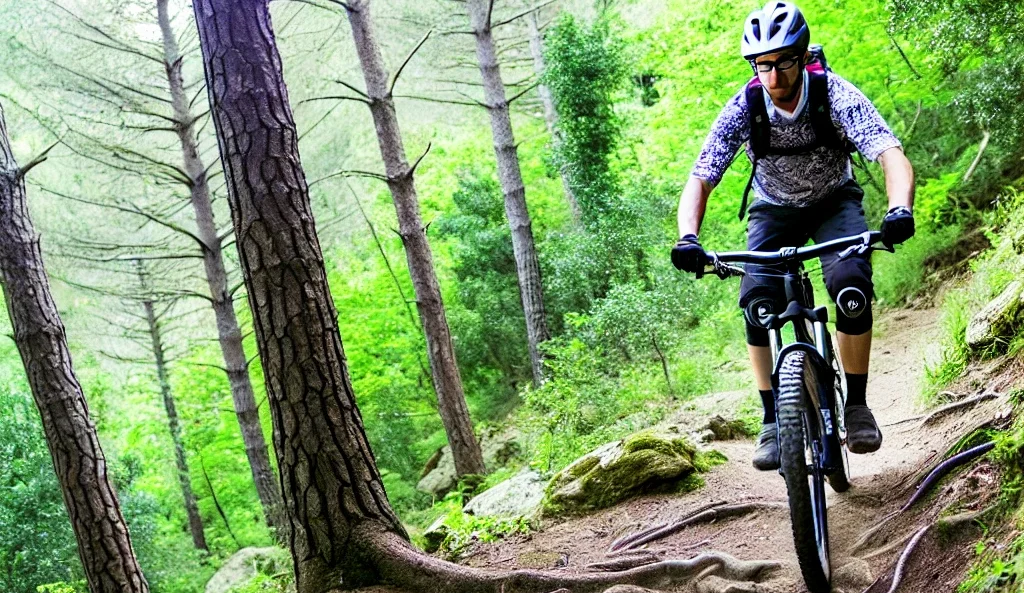
- Off-road trails: On technical trails, low pressure increases traction and stability, allowing the tyre to mould around rocks, roots, and other obstacles. However, too low a pressure increases the risk of pinch flats and rim damage.
Comfort levels and ride feel
Tire pressure directly affects ride comfort. Higher pressures may transmit more road vibrations, especially on rigid bikes without suspension. Lowering your pressure, within safe limits, can help smooth out the ride and reduce fatigue, particularly on long rides or rough roads.
Rider weight and load
Rider weight and gear load play a huge role in determining optimal tyre pressure. Heavier riders need higher pressures to avoid excessive tyre deflection, which could lead to poor handling and increased rolling resistance. For lighter riders, lower pressures may provide the best balance of comfort and efficiency. If you’re carrying extra weight (such as bags for bike-packing), adjust your pressure accordingly to account for the added load.
Adjusting optimal bicycle tyre pressure for different riding styles
Different cycling disciplines may require varied tire pressures for peak performance.
- Road racing: Higher pressures (typically 90–110 psi for road tires) can reduce rolling resistance and improve speed on smooth tarmac. However, don’t go overboard—excessively high pressures can lead to a rough ride and loss of grip.
- Time trials: Since these rides often occur on smooth, predictable surfaces, slightly higher pressures may improve speed without sacrificing control.
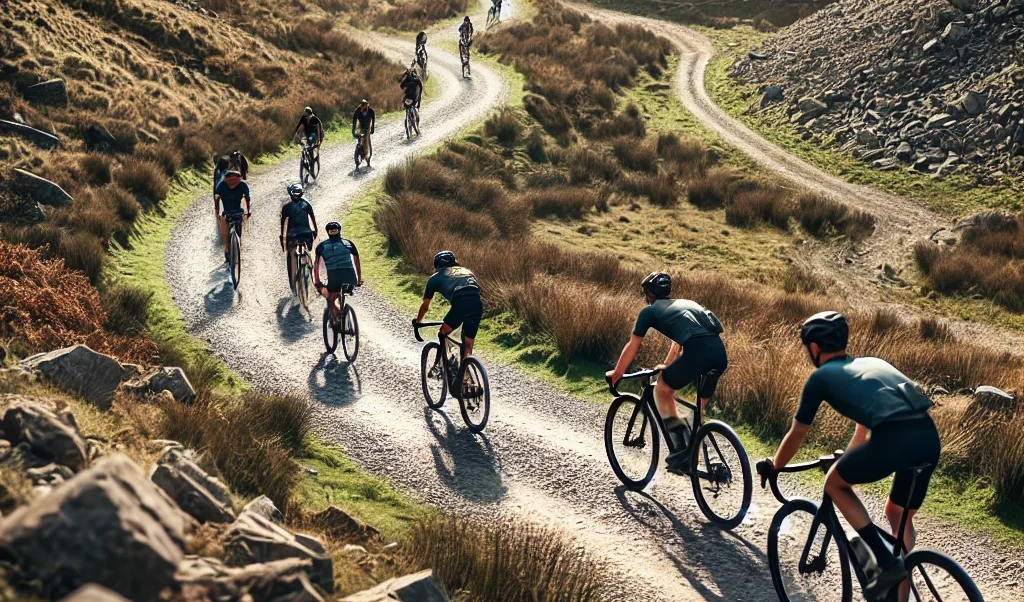
- Gravel riding: Lower pressures (30–50 psi) enhance comfort and traction on uneven surfaces, reducing fatigue and improving control.
- Mountain biking: With wider tires and rougher terrain, MTB riders generally use even lower pressures (15–35 psi) to improve grip and control, although tubeless setups are often used to avoid pinch flats at these pressures.
How to test and find your optimal bicycle tyre pressure
The best way to find the perfect tyre pressure for you is to experiment. Here’s a simple process to dial in your pressure:
- Start with manufacturer recommendations: Most tyre manufacturers provide a pressure range based on tyre width. Begin with a pressure around the middle of that range as your baseline.
- Experiment with small adjustments: Try adjusting your pressure in small increments (5 psi at a time for road tires, 2 psi for MTB or gravel). Test each setting on your usual terrain, paying attention to ride feel, handling, and comfort.
- Pay attention to tyre deformation: Ideally, your tyre should deform slightly under load without bottoming out on the rim. If it’s too soft, you risk pinch flats; too hard, and you’ll feel every bump.
- Track and compare results: Keep a record of your pressure, terrain, and how each setting felt. Over time, you’ll identify patterns and refine your preferred pressure.
Optimal bicycle tyre pressure
Remember that your ideal tyre pressure may vary depending on the type of ride or race. For example, if you’re racing on a smooth road, higher pressure might give you a speed edge, whereas for a long endurance ride over mixed terrain, a lower pressure could reduce fatigue.
When to adjust pressure:
- Before races: Optimise based on the terrain. High-speed road races or time trials benefit from slightly higher pressures, while gravel races might call for lower pressure for better traction.
- Weather conditions: In wet or slippery conditions, a bit less pressure can improve grip.
- Load and gear: If bike-packing or carrying extra weight, increase pressure slightly to compensate for the added load.
Summary
Use the manufacturer’s recommended range as a safe starting point, then make small, repeatable adjustments for your terrain, load and ride feel. If you would like help applying these principles to your own riding and training, Book a Free Consultation.