Last Updated on 18 September 2026:
For many cyclists, a hot coffee before morning laps or a café stop with the club is part of the ride. But caffeine for cycling performance is about more than a welcome lift: understanding how your body responds can help you use it more deliberately for hard training, long rides and events. This guide unpacks caffeine metabolism, common sources, timing and the practical considerations that matter on the bike.
Covered in this blog
– What is caffeine?
– Body’s caffeine processing mechanism
– Why everyone’s caffeine experience is different
– Popular caffeine sources
– Physiological effects of caffeine
– Caffeine’s impact on training and racing
– Periodising caffeine consumption
– Synchronising caffeine with intense cycling intervals
– Expert advice for maximising caffeine’s benefits for cycling
What is Caffeine?
Caffeine is nature’s stimulant predominantly found in tea, coffee, and cacao. It’s also synthetically formulated for certain medicines and edibles. Remarkably, daily caffeine consumption reaches 80% globally, with North America recording a staggering 90% for adults.
How Your Body Processes Caffeine
Chemically recognized as 1,3,7 trimethylxanthine, caffeine kicks into your system within 45 minutes. After ingestion, its concentration peaks in the bloodstream between 15 minutes to 2 hours. Primarily absorbed in the gut, fibers can decelerate this process. The liver metabolizes caffeine, and it lingers in the bloodstream for about 1.5 to 9.5 hours. Regular caffeine consumers often develop tolerance, necessitating increased intake for the same buzz. Abrupt cessation may trigger withdrawal symptoms.
Individual Variations in Caffeine Metabolism
Everyone’s caffeine journey is unique. This difference primarily stems from metabolism rates and the time taken to eliminate caffeine from the system. Notably, these differences play a significant role in how caffeine affects cycling performance.
Most individuals fall under the ‘fast’ or ‘slow’ metabolizer categories. Fast metabolizers experience rapid caffeine effects and similarly quick eliminations. Conversely, slow metabolizers savor a prolonged, subtle caffeine experience.
By understanding your caffeine metabolism rate, you can time its consumption perfectly – be it before a race, an intense interval, or a strenuous climb.

Common Caffeine Sources
Caffeine is omnipresent in many products. Here’s a list of prevalent sources:
- Coffee: ~95mg/cup
- Decaf coffee: ~4mg/cup
- Espresso: ~65mg/shot
- Black tea: ~47mg/cup
- Green tea: ~28mg/cup
- Decaf tea: ~2mg/cup
- Soda: ~40mg/can
- Dark chocolate (cacao): ~24mg/1oz
- Energy drinks: ~170mg/can
- Supplements: ~200mg/tablet
How Caffeine Affects the Body
Caffeine invigorates the brain and central nervous system, leading to increased alertness and energy. However, excessive intake can manifest several side effects:
- Enhanced wakefulness
- Energy surge
- Diuretic effects
- Dehydration
- Increased stomach acid production
- GI disturbances
- Heartburn
- Calcium absorption interference
- Elevated blood pressure & heart rate
- Mood fluctuations
- Restlessness, anxiety, and more
Drawing from my experience in ultra-endurance cycling, I can attest to the necessity of understanding and managing these effects, especially during crucial events.
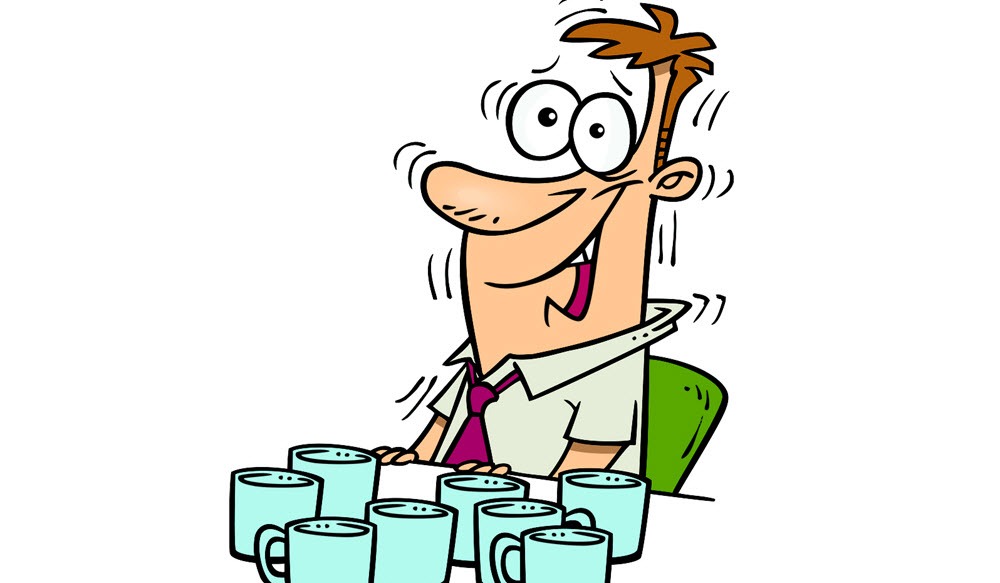
Caffeine for Cycling Performance
When optimized, caffeine can turbocharge your cycling performance. This stimulant can mentally and physically empower you to tackle challenging intervals, push your limits in the gym, and even ascend daunting trails more efficiently. However, many cyclists often misjudge their caffeine intake. The key lies in understanding your body’s caffeine interaction and using this knowledge to your advantage.
Periodising Caffeine Intake
Just as you periodize training, consider structuring your caffeine intake. The development of caffeine tolerance can be a pitfall. Consuming caffeine judiciously, especially before critical events like races, can magnify its positive impacts. Opt for a gradual taper or even a complete break before the D-day to maximize the benefits. This strategy can be your secret weapon for those challenging climbs and breakaways.
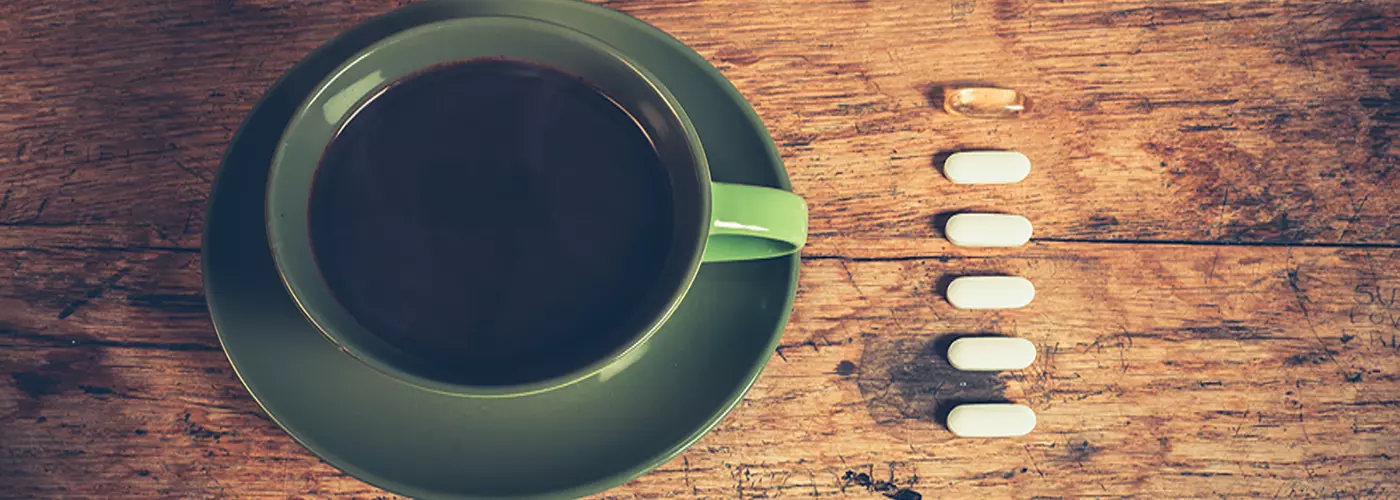
Timing Caffeine for Cycling Performance
Maximize your performance by aligning caffeine consumption with high-intensity cycling days. However, ensure it doesn’t interfere with daily activities, primarily sleep. Tailored caffeine intake can significantly elevate your training outcomes.
Top Tips for Caffeine for Cycling Performance
Drawing from my insights from the global cycling community, here are the golden rules for caffeine-infused cycling:
- Understand your metabolism and elimination rates
- Schedule a caffeine hiatus before significant events
- Sync caffeine intake with training intensity
- Limit or eliminate caffeine during low-intensity phases
- Embrace
Summary
Caffeine can be a useful tool when it is tested in training, timed around your hardest sessions and balanced against sleep, comfort and your own response. If you would like help fitting nutrition and fuelling strategies into your cycling plan, Book a Free Consultation.