Last Updated on 17 September 2026:
RAAM race preparation must account for far more than the physical training covered in Part 1. From intense desert heat to cold nights, the Race Across America places constant demands on your fuelling, pacing and ability to manage setbacks. This instalment covers practical strategies for adapting to those extreme conditions.

Heat Adaptation
Why Heat Training is Essential for RAAM Race Preparation
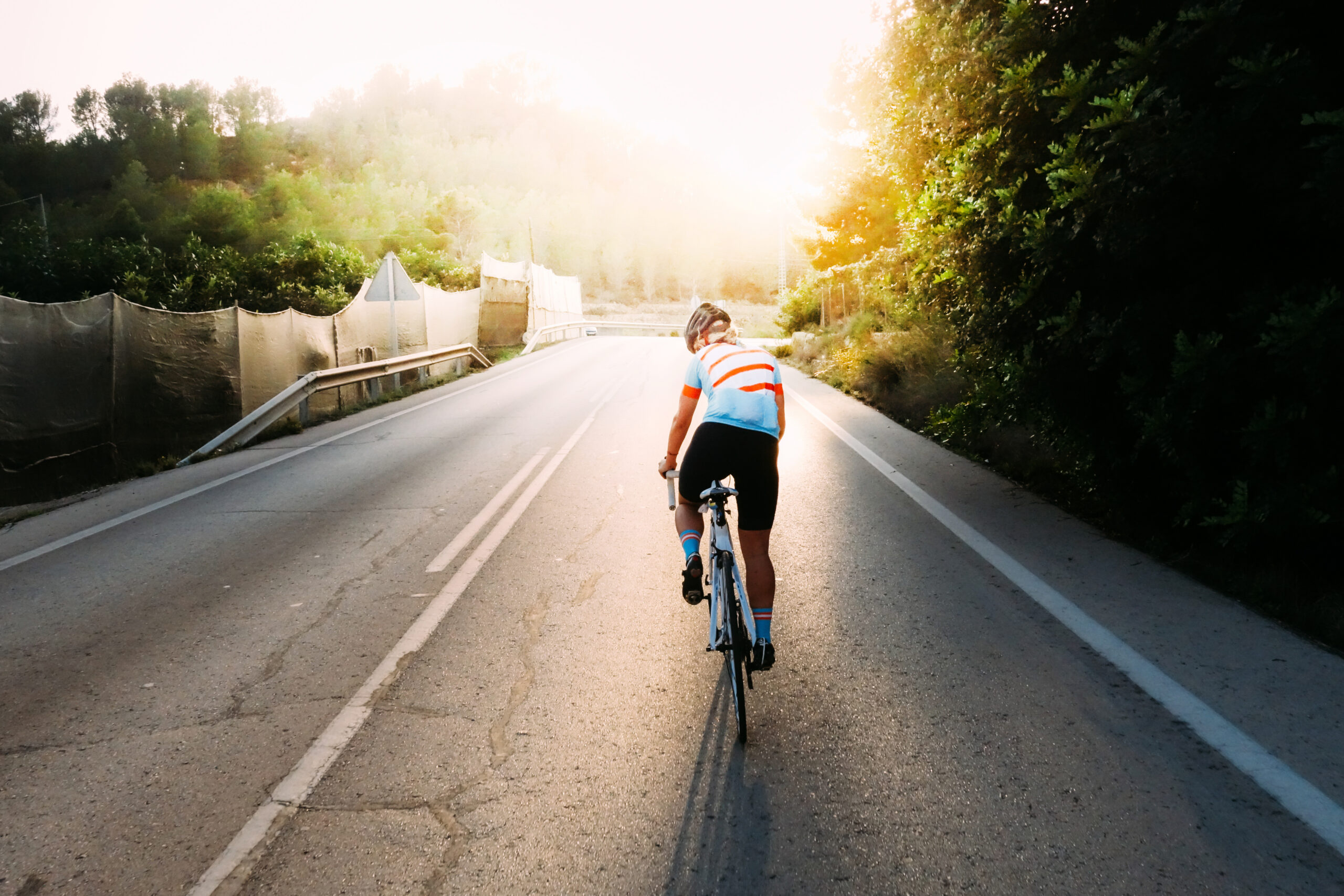
Heat is a formidable adversary in RAAM. You’ll likely be pedaling through hot and arid landscapes where temperatures can soar. Heat adaptation is not merely a strategy but a necessity, as it significantly impacts performance and reduces the risk of heat-related illnesses such as heatstroke.
Training Methods for Heat
Passive Heat Acclimation
Spend 30-60 minutes in a sauna or hot room. It’s an effective, albeit uncomfortable, way to acclimatize your body to heat stress.
Active Heat Acclimation
Perform low-intensity workouts in a hot environment. Start with 20-30 minutes and progressively extend the duration.
The Science of Heat Adaptation
Heat acclimatization has been proven to improve aerobic performance. According to a study published in the Journal of Applied Physiology, heat adaptation can significantly improve cardiovascular efficiency and plasma volume (Source: Journal of Applied Physiology).
Nutrition and Hydration
The Importance of Nutrition for RAAM Race Preparation
Nutrition is a critical factor that could determine your RAAM performance. You’ll be burning thousands of calories each day, and failing to replenish them appropriately can result in poor performance or even a DNF (Did Not Finish).
Macronutrients and Micronutrients
Carbohydrates
Aim to consume 60-90-120 grams of carbohydrates per hour during the ride, a strategy supported by science for prolonged endurance events.
Proteins
Incorporate lean proteins in your diet for effective muscle recovery. A protein-carbohydrate combo post-ride can expedite the recovery process.
Fats
Fats should be consumed but in moderation. Opt for sources like nuts, avocados, and olive oil for quality fats.
Micronutrients
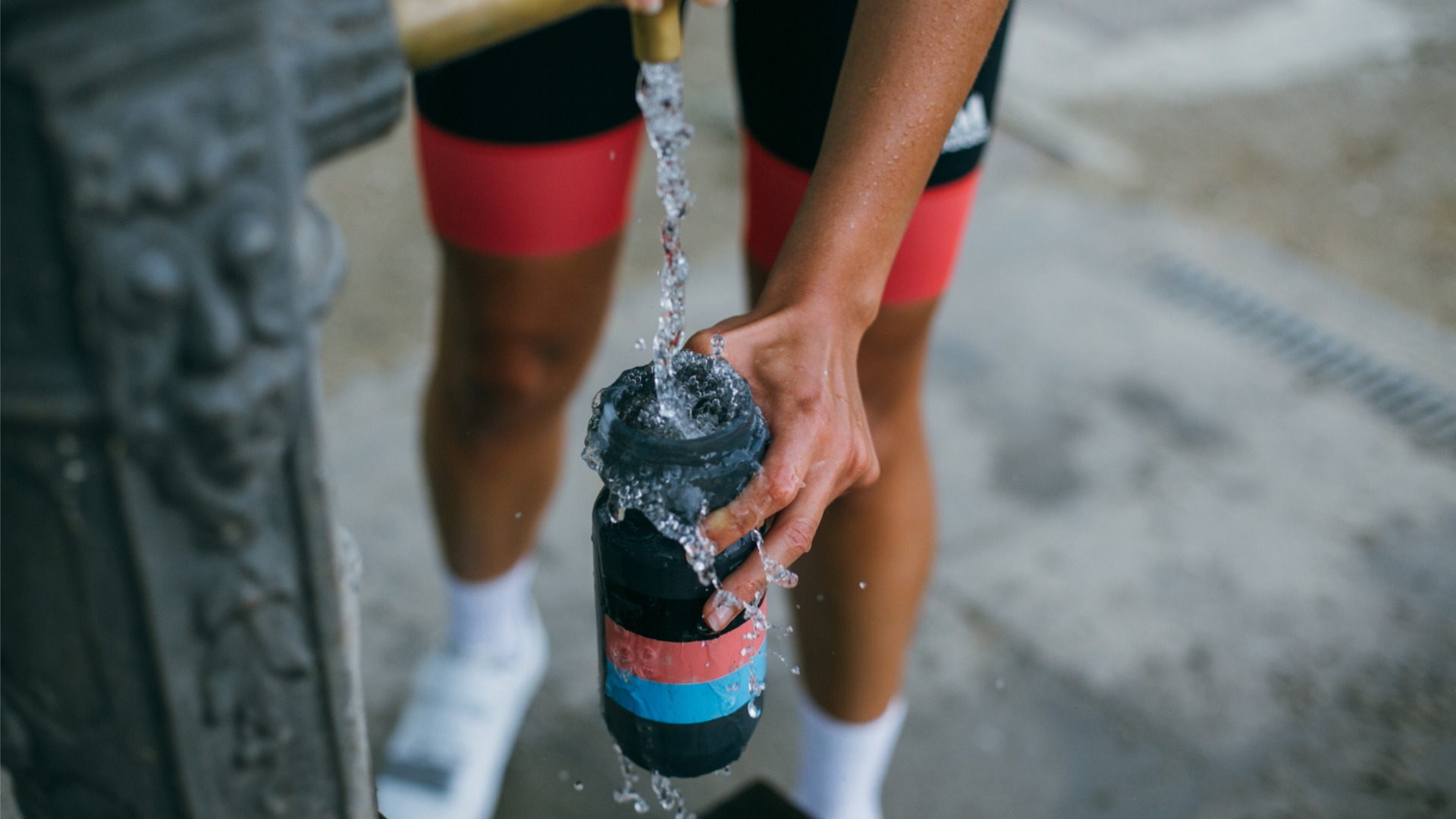
Pay attention to vital micronutrients like potassium, magnesium, and sodium, which aid in muscular function and hydration.
The Science of Nutrition and Hydration
The International Society of Sports Nutrition provides comprehensive guidelines on carbohydrate and fluid intake during extended endurance events. According to the ISSN, failing to adhere to hydration and nutrition standards can lead to severe performance drops (Source: Journal of the International Society of Sports Nutrition).
Pacing Strategy
The Essence of Pacing in RAAM Race Preparation
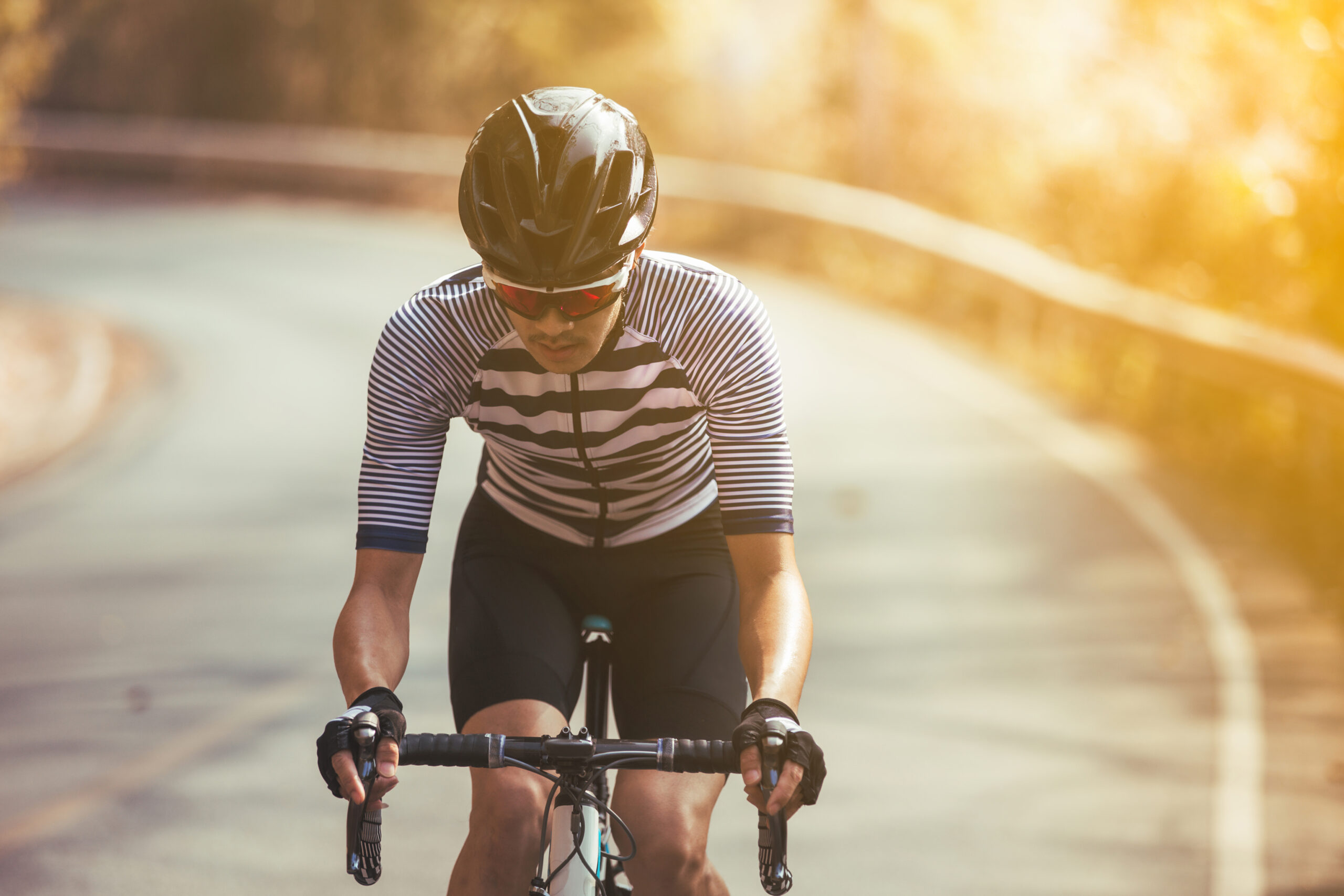
RAAM is a long game, and pacing is your game plan. A well-executed pacing strategy could be the key between successfully completing the race and burning out mid-way.
Zones and Techniques
Aerobic Zone
This is your “forever pace,” a level you should be able to sustain for hours. Staying mostly in this zone will ensure long-term performance sustainability.
Anaerobic Zone
Occasionally, you might need to push into this zone, like during steep climbs, but remember that it’s unsustainable for long periods.
The Science of Pacing
Pacing has always intrigued sports scientists. Research published in the European Journal of Applied Physiology has proven that appropriate pacing can significantly affect your performance in endurance events (Source: European Journal of Applied Physiology).
Riding Through Sickness and Injury
Preparing for the Inevitable
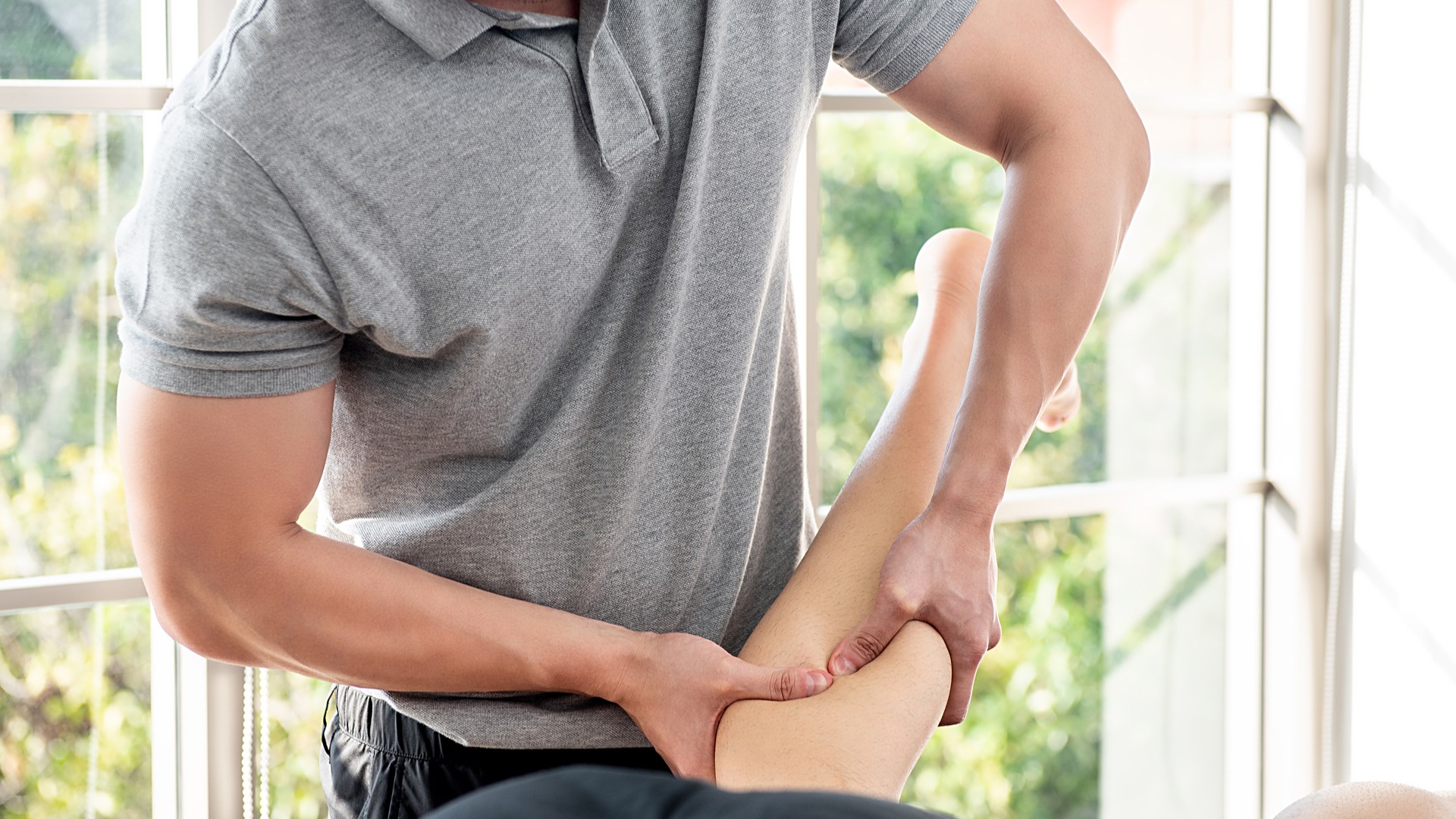
Let’s face it; the chances of going through RAAM without a single physical complaint are slim. Whether it’s a saddle sore, a minor cold, or just muscle fatigue, knowing how to manage these minor ailments is crucial.
When to Push Through and When to Stop
Your body will signal minor discomforts that you can work through, and alarms that you shouldn’t ignore. Understanding the difference is crucial for your safety and successful completion of RAAM.
The Science of Riding Through Sickness
Endurance sports are demanding, and they often result in immunosuppression. A study published in Sports Medicine emphasized that endurance athletes are more susceptible to illnesses, especially upper respiratory tract infections, due to this immunosuppression (Source: Sports Medicine).
Summary
The aim is not to eliminate every challenge RAAM presents, but to arrive with a practical plan for heat, fuelling, pacing and the inevitable setbacks along the way. If you would like help applying these principles to your own endurance goals, Book a Free Consultation.