Last Updated on 15 September 2026:
Winter cycling can be incredibly rewarding, with quieter roads, crisp air and a feeling of accomplishment that is hard to beat. The challenge is choosing winter cycling layers that keep you warm without causing excessive sweat and the mid-ride chill that can follow. These practical tips will help you layer smartly, manage your effort and adapt to changing conditions.
Covered in this blog:
- Layering done right
- Don’t forget extremities
- Adjust as you go
- Stay dry
- Fuel strategically
- Watch the intensity
- Know when to call it
- Summary
Winter cycling layers done right
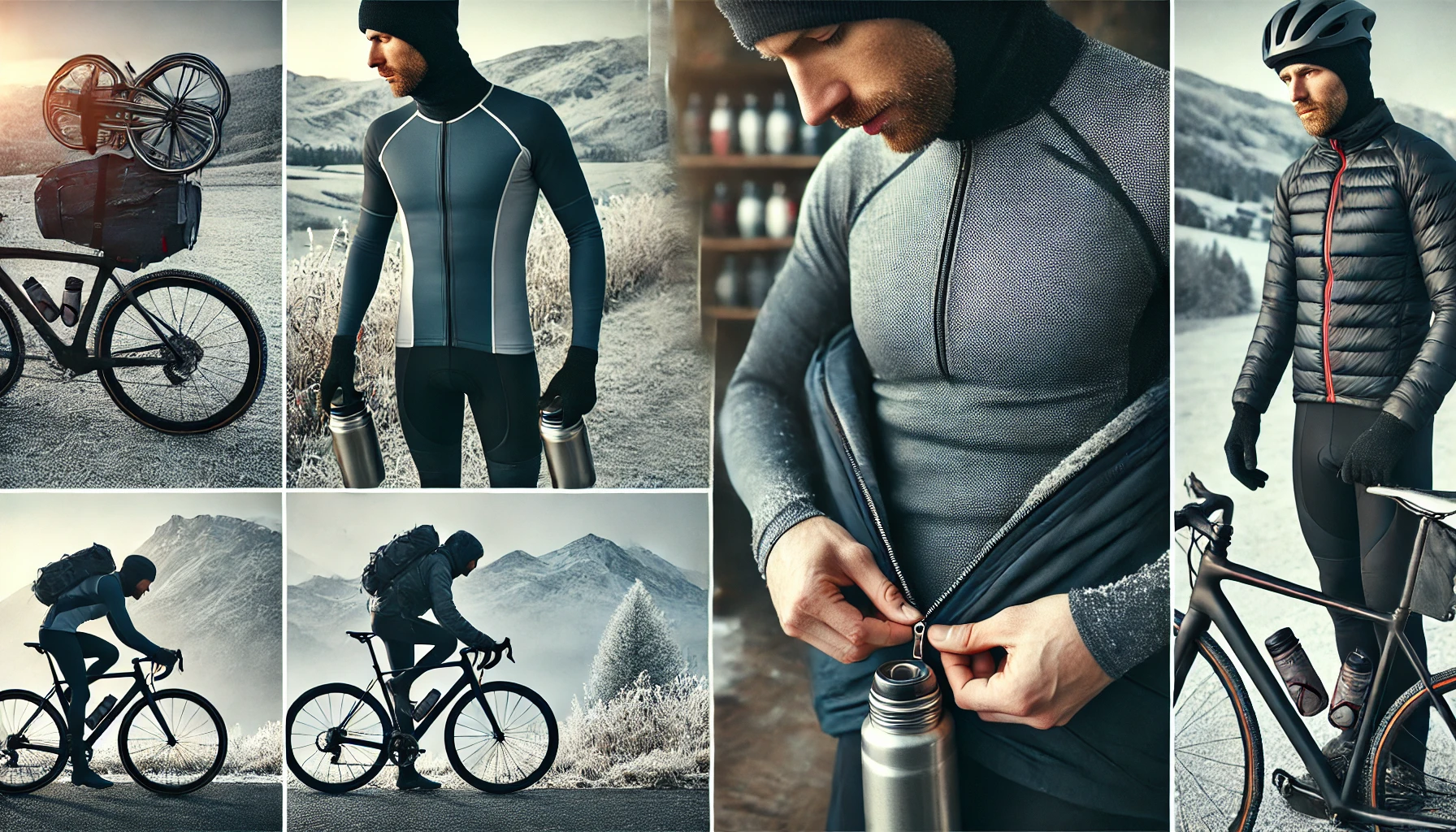
Layering is essential to winter cycling, but it’s all about choosing the right combination of layers to avoid overheating. The key is in layering materials that wick sweat, insulate, and protect you from wind and rain. Here’s a breakdown of the best layering strategy:
- Base layer: Start with a moisture-wicking, breathable base layer to keep sweat off your skin. Merino wool is an excellent choice here as it wicks moisture, retains heat, and dries quickly without smelling.
- Insulation layer: Your second layer is where you manage warmth. A thin, thermal long-sleeve jersey works well on most winter days. For very cold rides, a fleece-lined jacket or vest provides that extra bit of insulation.
- Outer layer: Finally, a windproof and waterproof jacket is essential to block out cold air and wet conditions. Look for jackets with ventilation options, like zippers or vents, so you can release heat without having to stop.
By using layers, you gain the flexibility to add or remove pieces as needed. Too warm? Shed a layer. Feeling chilly again? Zip back up.
Don’t forget extremities
Your body prioritises keeping your core warm, which can mean cold hands, feet, and head if you’re not prepared. Here’s how to keep those extremities warm without overheating.
- Gloves: Look for layered gloves that offer both insulation and wind resistance. Some winter cycling gloves come with removable liners, which gives you options depending on the weather.
- Feet: Your feet get colder faster because they don’t move much. Insulated socks (merino wool is a great choice again) and shoe covers or winter cycling boots are a lifesaver. Avoid cotton socks, as they’ll trap moisture and leave you cold.
- Head: A thin skull cap or headband that fits under your helmet will keep your head and ears warm without causing overheating. Avoid thick hats or anything that traps too much heat—you want enough warmth but still need ventilation.

Adjust as you go
Winter weather can be unpredictable, and your body’s temperature needs change throughout a ride. Start with slightly fewer layers than you think you’ll need—once you get going, you’ll naturally warm up. If you stop, you can always add a layer or zip up before you start again.
- Ventilation options: If your jacket has pit zips or adjustable vents, make good use of them. Opening vents during climbs or high-intensity efforts prevents overheating without exposing you to the elements.
- Zippers are your friend: The ability to unzip a jacket or jersey is crucial. It’s better to have a jacket with a full zip than a pullover style, as it allows you to regulate temperature more easily.
Stay dry
Winter isn’t just about cold—it’s also about wet. Whether it’s rain, sleet, or snow, moisture control is vital to staying warm without overheating.
- Waterproof jackets: A waterproof layer is a must, but it needs to be breathable. Some riders prefer a light, packable rain jacket that they can stow if it stops raining, while others go for a more insulated waterproof shell.
- Gore-tex or similar fabrics: Waterproof but breathable fabrics are ideal for winter rides. They’ll keep rain out while allowing sweat to escape, reducing the risk of getting too hot and wet from the inside.
Fuel Strategically
Your body needs fuel to keep warm and perform in cold conditions. Staying well-fed and hydrated helps maintain your energy levels and keeps your core temperature regulated. Aim for:
- Warm drinks: If you have a thermos-compatible bottle or can carry a small flask, warm drinks like tea or even just warm water can help you stay warm on long, cold rides.
- Regular snacks: Eating every 30-45 minutes helps keep your metabolism going, which in turn generates body heat. Opt for snacks that are easy to digest and won’t freeze in the cold.

Watch the intensity
The higher the intensity, the warmer you’ll be. On winter rides, aim to start off slowly to give your body a chance to warm up without overheating. Consider your pace based on how cold it is—climbing a hill at your regular pace might feel comfortable for the first few minutes, but it can quickly lead to sweating, which can be dangerous if it’s very cold.
- Lower the intensity on climbs: If you’re tackling a hill, ease back on the intensity to avoid overheating and excessive sweating. If you do work up a sweat, ease up slightly on descents to allow your body to balance out.
- Plan for steady efforts: Outside during winter might not be the best time for intense intervals; focus on steady, controlled efforts that are easier to manage without causing drastic temperature changes.
When your winter cycling layers just aren’t enough
Finally, know when to call it a day. Winter riding can be exhilarating, but if you’re overly cold, wet, or tired, it’s safer to head home and try again another day. Being mindful of the weather forecast and having a backup plan is always wise.
Summary
Layer well, regulate your effort and make small adjustments before you become too hot or too cold. If you would like help planning winter training that suits your goals and conditions, Book a Free Consultation.