Last Updated on 18 September 2026:
Choosing between a TT bike vs lightweight bike depends on the terrain, your expected speed and the demands of the event. A lightweight bike can make sustained climbs and technical descents more manageable, while a TT bike can offer a meaningful advantage on fast, flatter roads. Once you have chosen the right tool for the course, your training should reflect it.
Covered in this blog
- The basics: lightweight bike vs TT bike
- Why choose lightweight bikes for hills
- At what gradient does a TT bike fall behind?
- Detailed training strategies for lightweight bikes
- Detailed training strategies for TT bikes
- Combing training for both bike types
- Real-world insights
- The verdict
- Summary
The basics: TT bike vs lightweight bike
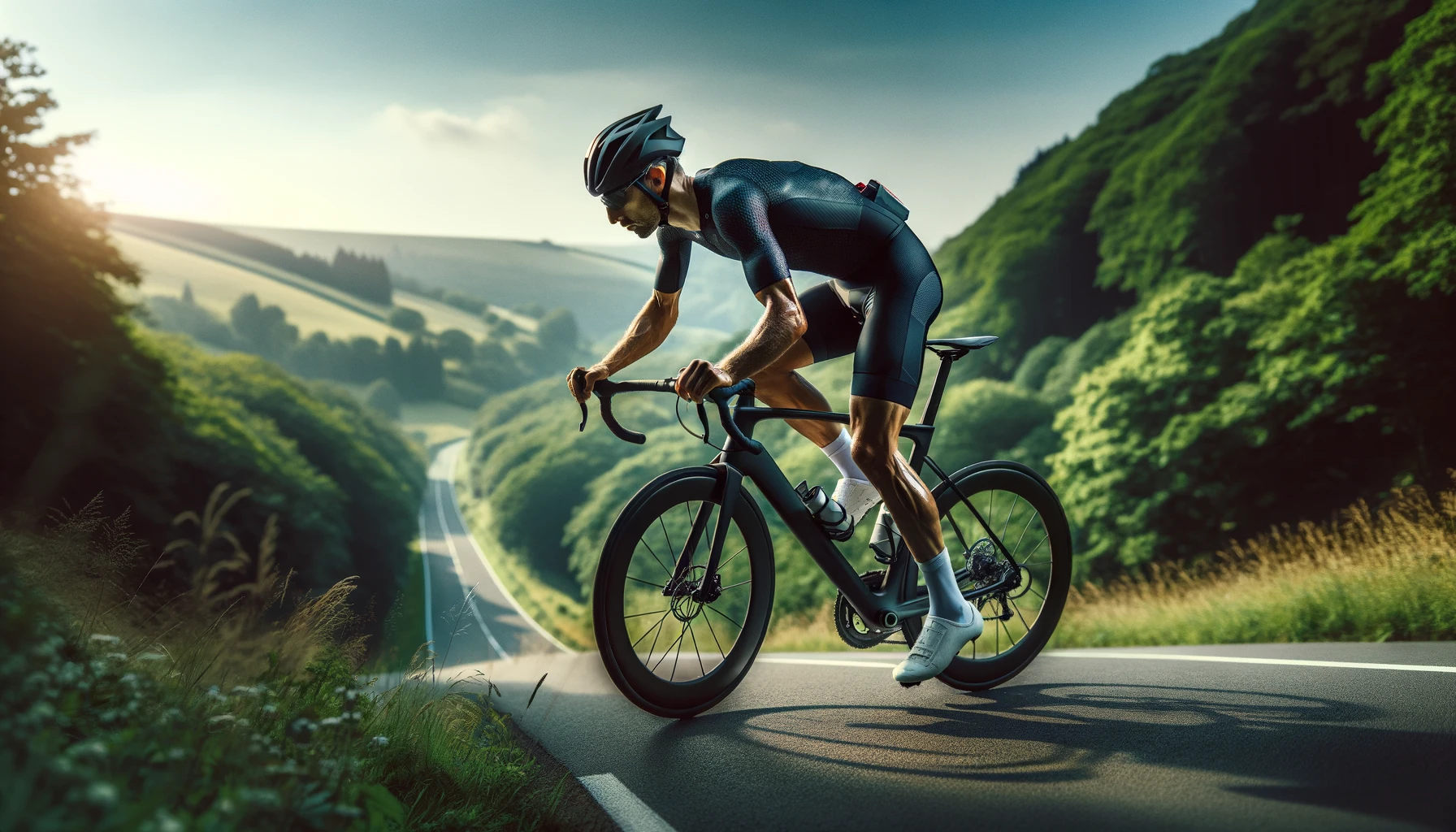
Lightweight bikes are designed to be ultra-light, using materials like carbon fibre to minimise weight without compromising strength. They excel in quick handling and are optimized for comfort over long climbs and rough terrains.
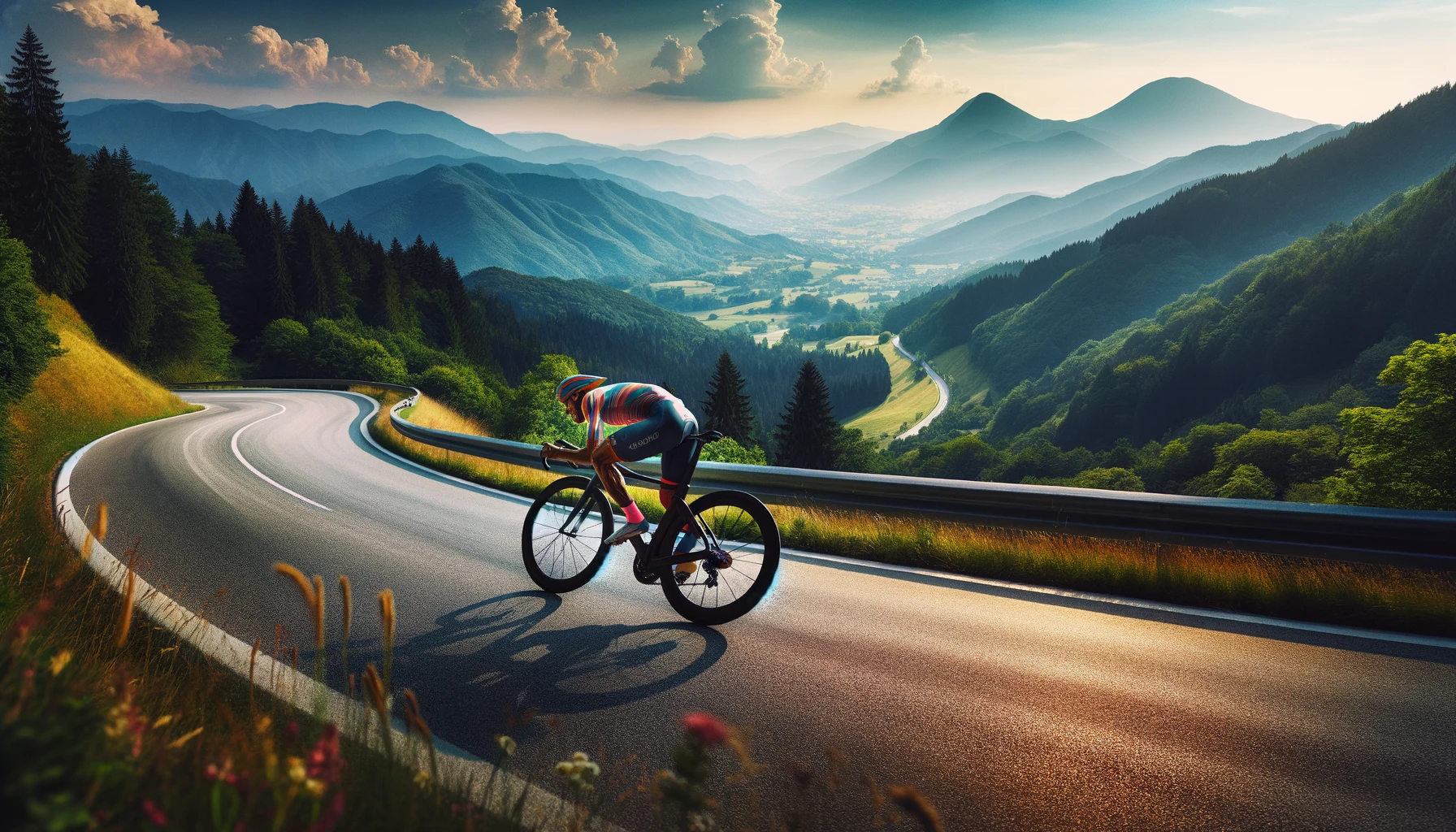
TT bikes are engineered for speed on flatter terrains with an aerodynamic frame that reduces wind resistance. They incorporate features like deep-section wheels and aero bars to maximize speed by cutting through air more efficiently.
Why choose lightweight bikes for hills?
On hilly courses, weight becomes a critical factor. Lightweight bikes, with their minimalistic design, reduce the effort needed to pedal uphill and improve handling on steep, winding ascents. Here’s why they generally outperform on climbs:
- Less energy expenditure: Lighter weight means less energy used during ascents.
- Improved handling: Easier to manoeuvre, providing more control on tricky climbs.
- Quick acceleration: They can quickly regain speed after each descent on rolling hills.
At what gradient does a TT bike fall behind?
As the road tilts upwards, the speed drops, reducing the significance of aerodynamics. Research suggests that the advantage of a TT bike’s aerodynamics diminishes significantly on gradients steeper than 6-8%. Here are the specifics:
- Speed and drag: Aerodynamic drag reduces with lower speeds common on steep climbs, generally below 15-18 km/h (9-11 mph).
- Weight effects: The extra weight of a TT bike (often around 1 kg heavier than a lightweight bike) can cost around 2-3 seconds per kilometre on a 7% gradient.
- Rider position: TT bikes force a more crouched position, which can limit the use of full muscle groups and decrease power output by 5-10% on climbs compared to a more upright position.
Detailed training strategies for lightweight bikes
When preparing for races or rides that involve significant climbs using a lightweight bike, the focus should be on building specific capabilities that enhance performance on ascents:
- Climbing intervals: Incorporate specific climbing workouts that mimic the race-day conditions. This might involve finding local hills that approximate the gradients and lengths of the climbs you’ll face. Perform repeated hard efforts up these climbs, focusing on maintaining a consistent power output and cadence.
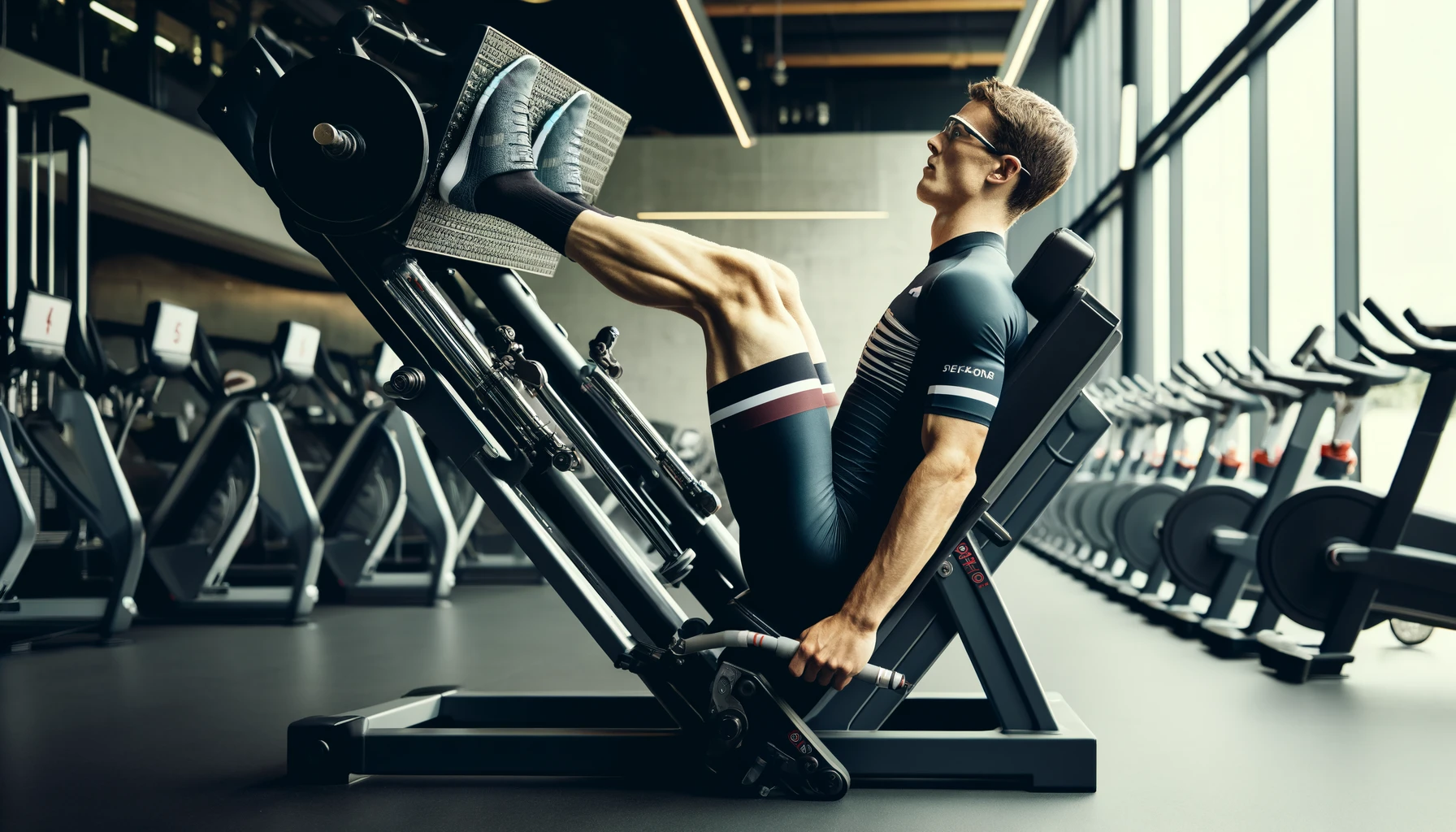
- Strength training: Complement your on-bike work with gym sessions that focus on building core strength and leg power, essential for effective climbing. Exercises like squats, deadlifts, and planks can significantly enhance your climbing ability.
- Weight management: Optimise your power-to-weight ratio, which is crucial for climbing. This might involve dietary adjustments to ensure you are lean yet powerful, combined with training that increases your sustainable power output.
- Technical descending: Don’t forget the descent post-climb. Practice descending skills to safely and efficiently handle high speeds and sharp turns, improving confidence and overall performance.
Detailed training strategies for TT bikes
Racing on TT bikes, especially on flatter courses, requires a different set of training focuses to maximise aerodynamic advantages and sustain high speeds:
- Aero position comfort: Spend considerable time training in your TT position to increase muscular endurance and comfort. This could be on an indoor trainer or on safe, flat roads where you can maintain the position for extended periods.
- Threshold workouts: Perform interval training at or near your lactate threshold to improve your ability to sustain high speeds for longer durations. This could include longer intervals of 10-20 minutes at a high intensity, with short recovery periods.
- Aerodynamic testing: Consider sessions in a wind tunnel or use computational fluid dynamics (CFD) software to optimise your position and equipment. Even small adjustments in your setup can lead to significant gains in speed.
- Specificity of speed: Include workouts that mimic the race pace and conditions as closely as possible. For TT events, this means flat courses where maintaining an unbroken rhythm at high speed is crucial.
Combining training for both TT bike & lightweight bike
If your event includes varying terrains requiring both types of bikes, or if you just want to be a versatile cyclist, you can combine elements from both training regimens:
- Transitional training: Practice switching between bikes if your event involves changes mid-race. This helps minimise adjustment time and maintains performance levels.
- Mixed intervals: Incorporate mixed intervals in your training sessions, where you alternate between high-intensity flat ground efforts and hill climbs. This builds endurance and power across different terrains and cycling disciplines.
- Recovery and adaptation: Ensure your training plan allows for adequate recovery. Cycling, especially at high intensities, is demanding, and without proper rest, the risk of overtraining and injury increases.
Real-world insights
In professional cycling, time trials on mixed courses often highlight the limitations of TT bikes on climbs. For instance, during the 2020 Tour de France’s steep climbs, nearly all riders opted for lightweight bikes despite starting with TT setups due to the steep gradients reaching 20%.
TT bike vs lightweight bike: which bike wins on a hilly course?
For predominantly hilly courses, especially those with sustained gradients over 6-8%, a lightweight bike is typically the superior choice. It not only handles climbs better due to its lower weight and better manoeuvrability but also allows riders to maintain energy and performance where it matters most.
Summary
Choose the bike that best suits the course, then build the climbing strength, aero comfort and pacing skills needed to use it well. If you would like help tailoring your training to a specific event, Book a Free Consultation.