

“Ride a bike. Ride a bike. Ride a bike” – Fausto Coppi, [on how to improve your cycling]
While I’m not one to disagree with a legend as big as Fausto Coppi, we have come a long way in our understanding of sports science, since he graced the tarmac of Le Tour. That’s not to say that if you have limited training time you should do anything other than riding your bike, but if you do have a bit more time, maybe there is some cross-training you can be doing to help you improve your cycling performance.
Covered in this blog:
- Why cross-train?
- Bone density
- Muscular growth
- Mental stimulation
- How to time cross-training correctly
- Macro-cycle
- Micro-cycle
- For recovery
Why cross-train?
For some people, it is a welcome break from the normality of riding a bike and for others it’s a thankless bore of a task. While there might be an infinite number of reasons to cross-train, I’ve picked a few of my favourites.

Bone density
One of the most popular reasons for riding a bike, especially those who used to run, is that it is very kind on your skeletal structure (bones!). The likelihood of you getting a stress fracture is very small from simply riding. The counteraction to this, however, is that cycling doesn’t place enough force on your bones to force them to grow stronger. While highly unlikely to be an issue at a younger age, as you get older, you might start to experience bone density challenges, particularly if you’re a woman (sorry!).
Running is probably the most obvious cross-training you can be doing to remedy this. If you’re going to start running, spend a little time getting the right shoes. Much like a bike fit, you should be fitted properly to your shoes – trust me, you’ll regret it if you don’t! With running, it’s important to start running very slowly at first – like ridiculously slow! Then gradually build up the time you spend running per week, 10% is usually the max
Another of my favourites is plyometrics. This might interest you if you already spend time in a gym, don’t want to run, or have some simple equipment at home. Plyometrics is maximum force exercises exerted in a short period of time. It was formerly called jump training, which might give you an idea of what it involves! A couple of good examples are the box jump and the squat jump. However, for newbies, joining a plyometrics based class might be best. At a minimum, I recommend spending a short amount of time with a professional who will teach you correct form.

Muscular growth
Probably the biggest reason a cyclist (single sport) cross-trains is to build muscles. Again, cycling doesn’t typically offer much in the way of muscular growth. By muscular growth, I don’t mean huge muscles, but strong ones. While you might put on a bit of weight, weight gain in itself isn’t necessarily what we are after – strength improvements is the goal.
Heavy weights are my number one here and with a bit of creativity, you should dodge needing a gym membership, or even a home gym setup – although either would be an advantage. Grab any heavy object (kids are good for this – staying safe though!) and perform the moves. As long as you can hold it safely, a more challenging item to hold might actually present an advantage as you’ll be stimulating more muscles. Start with simple bodyweight moves and after about 4 weeks, move onto light weights with high reps (15-20 reps). After 4 more weeks of that, you should be good to start increasing the weight and reducing the reps weekly (down to 5 rep max). Always consult a qualified personal trainer before starting this, even if just to ensure correct form.

Mental stimulation
There’s no doubt how good cycling (any exercise) is for mental health, but sometimes it can be a bit much to spend so much time focused on just one sport, especially as your goals grow, your commitment increases, and it gets a little more serious! A little change of scenery can be a small welcome break.
One of my favourites for this is class-based. Something like Crossfit will give your body a great workout, as well as a break mentally. A great added benefit to class-based training is that you will get added camaraderie and a strong sense of social inclusion.
How to time cross-training correctly
Timing your cross-training is crucial. It might be really obvious not to attend a Crossfit class the day before your “A” event, but what might be less obvious is what time of year to cross-train, and how to prioritise that type of training around your cycling based work.

Macro-cycle
A macro-cycle is your Annual Training Plan (ATP). The best time to start your new cross-training routine would be right after you’ve finished your end-of-season break, possibly after you’ve done a short preparation phase, if your break was longer than two weeks. Provided you allow your body time to ease into and adapt to the new training, like you would your cycling training, you shouldn’t notice any negative effects from this. Remember to always consult a qualified trainer or your doctor before starting any new training routine.
As you approach the point at which you start focusing more on your cycling goals, you might drop the cross-training, or reduce it to one session per week to maintain. If you’re not too worried about having to start from square one when you pick that type of training up again, I strongly recommend just focusing on cycling training.
Periodising their strength training is something I do with most of my clients, especially those who lift weights. As with cycling training, weight training should start with a preparation phase (low weight, high reps), followed by a maximum weight phase (high weight, low reps), then you can move onto a power phase (less weight, more reps, performed explosively), then maintenance phase (where you stop trying to progress – very important for those in the ‘use it or lose it’ age group, usually 50+). Timing this strength and conditioning periodisation around your bike training periodisation will give your body the biggest chance of some serious improvements.
Micro-cycle
A micro-cycle is just a week of training. How you time your cross-training around your normal bike training will be crucial to allowing your body time to recover and adapt. Presuming that your number one goal is a cycling event, I would always ensure you are freshest for the most important cycling session of the week.
You will have some bike sessions where you can have tired muscles or be a little more fatigued – this is normal in training anyway – so there’s no need to always schedule a rest day after cross-training, some easier or recovery bike sessions will be fine.
For recovery
If you are injured, cross-training can be a great way to maintain some level of fitness, without exasperating the injury itself. Aqua jogging is a great cross-train for someone with a stress fractured leg or shin splints, for example.
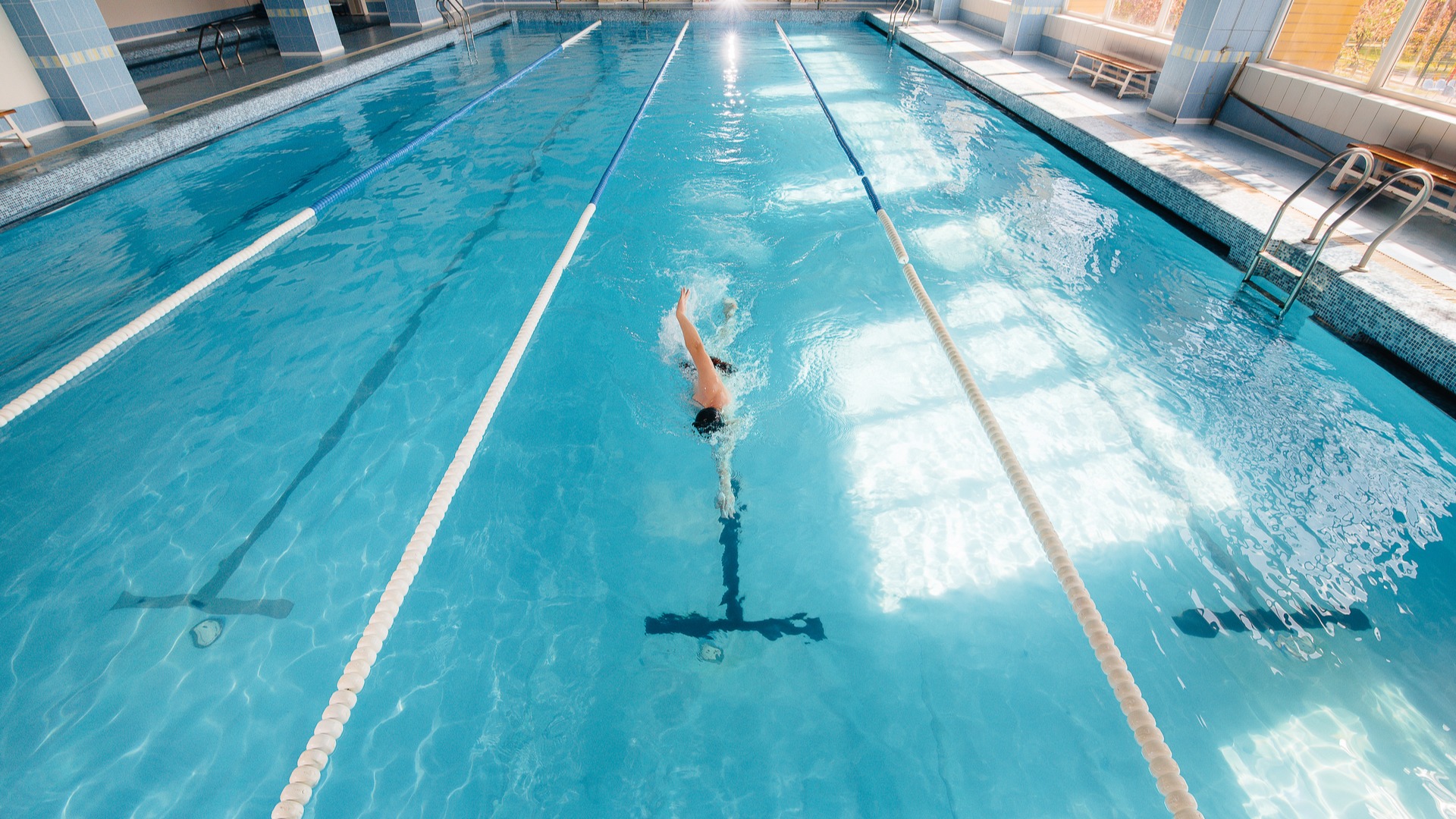
If you’re also the type that struggles taking rest days, swimming is a great sport to do. It can be performed by only your upper body, which will allow your legs the day off, and if you pick a good pool, you might just get access to a sauna too…

