Last Updated on 18 September 2026:
Enjoying indoor cycling can help you maintain fitness, work on weaknesses and keep progressing when the weather makes outdoor riding less practical. With a clear plan, your time on the trainer can be just as purposeful as time on the road. This guide covers effective winter workouts, fuelling, hydration, equipment and simple ways to make indoor sessions more enjoyable.
Covered in this blog
- The best methods for enjoying indoor cycling
- High intensity interval training
- Sweetspot training
- Tempo training
- Threshold training
- Developing nutrition and hydration strategies
- Hydration
- Hydration tips
- Fuelling
- Fuelling tips
- Pre-training nutrition
- Pre-training nutrition tips
- Hydration
- Best equipment for enjoying indoor cycling
- Smart trainer
- Fans
- Entertainment
- Entertainment tips
- Making indoor training more enjoyable
- Mix up your workouts
- Join virtual racing or group rides
- Set clear goals
- Music or podcasts
- Summary
The best methods for enjoying indoor cycling
Indoor training gives you control over your workout environment, making it an excellent opportunity to focus on your weaknesses or boost key aspects of performance. Here’s a deeper dive into the most effective training methods you can focus on this winter.
High-intensity interval training
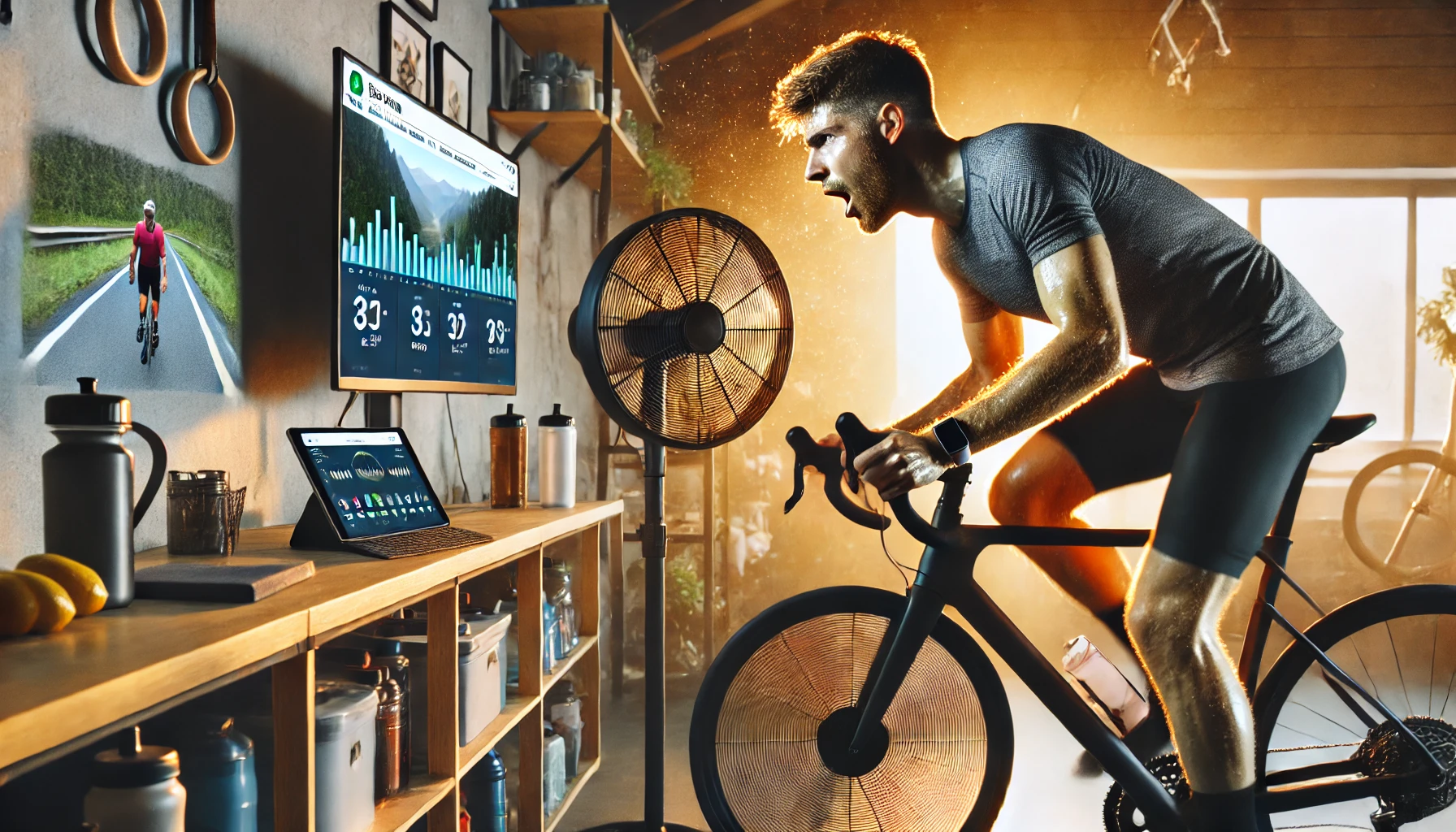
HIIT is a training style that alternates short bursts of very high effort with brief recovery periods. For example, you might sprint at maximum effort for 30 seconds, followed by a 1-2 minute rest, then repeat several times. HIIT is particularly well-suited for indoor training because you can dial in the exact intensity on your trainer without worrying about road conditions or traffic.
This type of training improves both your anaerobic capacity (the ability to perform intense efforts) and your aerobic base (overall endurance). A HIIT session can be as short as 30-45 minutes, making it ideal for time-crunched athletes who want maximum results in a limited window. Over the winter, you can build fitness quickly with HIIT workouts twice a week, while still leaving time for longer endurance sessions.
Example workout:
- Warm up for 10-20 minutes with a ramp up in intensity and a couple of sprints in there
- 8 x 30 seconds at maximum effort with 90 seconds recovery in between
- Cool down for 10 minutes at an easy pace
Sweetspot training
Sweet spot training hits that perfect balance between intensity and duration. It focuses on riding at 88-93% of your Functional Threshold Power (FTP), a level where you’re working hard but can sustain it for longer periods. Sweetspot training is particularly effective for improving sustained power and overall aerobic capacity, making it ideal for winter base-building.
The sweet spot is a great zone because it’s tough enough to drive adaptation without causing excessive fatigue, meaning you can do more volume without risking burnout. Over the winter, regularly doing sweetspot intervals will give you a solid foundation to build upon when spring arrives.
Example workout:
- Warm up for 10 minutes
- 3 x 10 minutes at sweet spot (88-93% FTP) with 5 minutes of recovery in between
- Cool down for 10 minutes
Tempo training
Tempo rides are done just below your threshold (76-90% FTP) and help to build muscular endurance. These efforts are challenging but sustainable, making them perfect for longer indoor sessions. Riding at tempo for extended periods not only builds stamina but also teaches your body to efficiently use carbohydrates as a fuel source.
During the winter, tempo rides are perfect for those wanting to maintain fitness without doing high-intensity work every session. Aim for one or two longer tempo rides per week to simulate endurance rides outdoors.
Example workout:
- Warm up for 15 minutes
- 2 x 20 minutes at tempo pace with 5 minutes recovery in between
- Cool down for 10-15 minutes
Threshold training
FTP is typically used key measure of a cyclist’s overall fitness and power output. Training at or near your FTP improves your body’s ability to ride at a high intensity for extended periods. Winter is the perfect time to focus on FTP work because you can systematically improve it with specific interval training.
By increasing your FTP over the winter, you’ll notice significant improvements in how fast and far you can ride once the weather improves. FTP-focused intervals are hard but highly rewarding. Once a week, dedicate a session to working at or just below your FTP.
Example workout:
- Warm up for 15 minutes
- 2 x 15 minutes at FTP with 10 minutes recovery in between
- Cool down for 10 minutes
Developing nutrition and hydration strategies
Proper nutrition and hydration are crucial for successful indoor training, especially because indoor environments tend to be warmer and less ventilated, leading to increased sweating. Let’s explore how you should adjust your fueling and hydration approach for indoor sessions.
Hydration
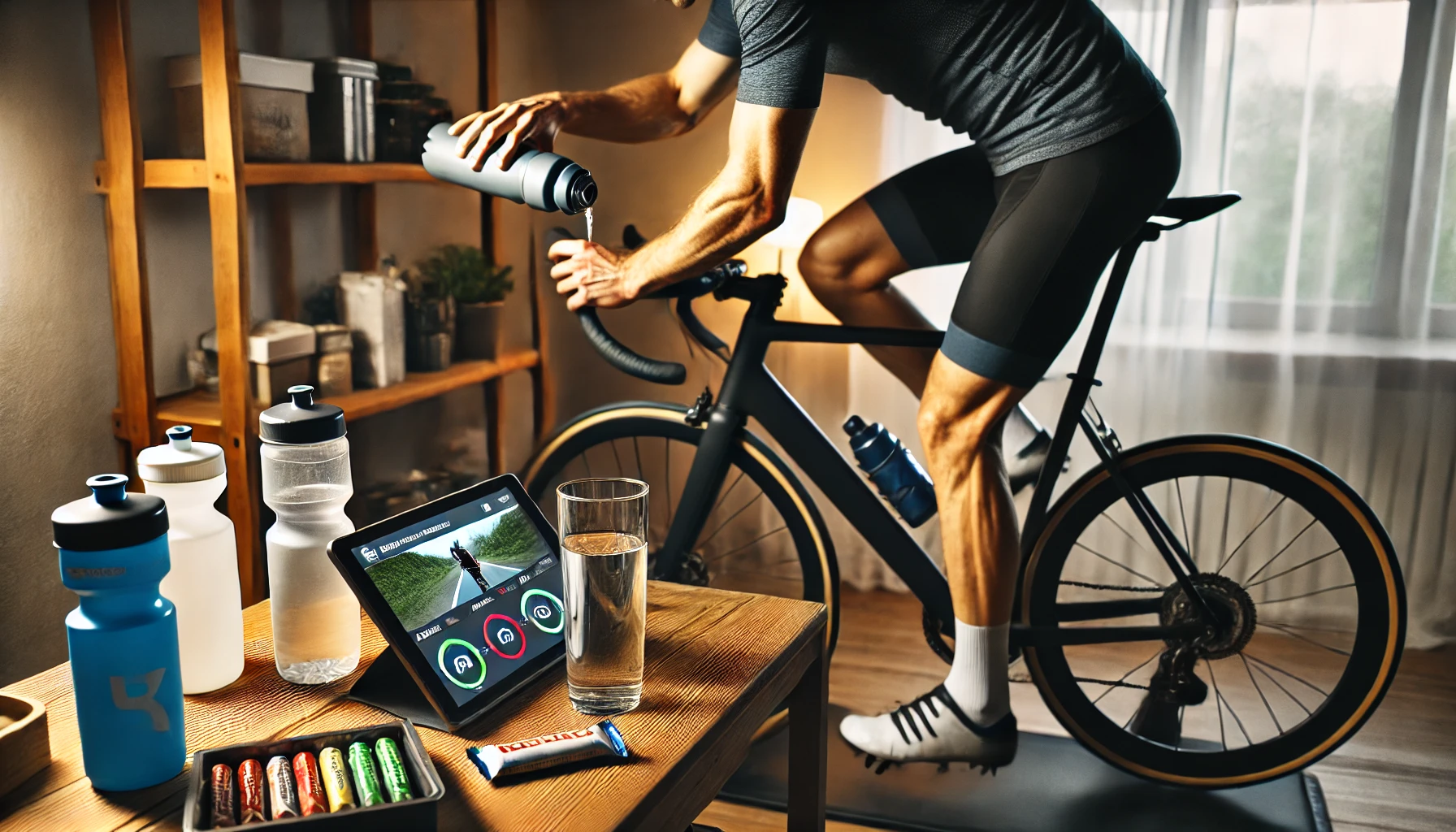
When training indoors, one of the biggest challenges is managing heat and sweat loss. Without the cooling effect of wind, you tend to sweat more, which increases the risk of dehydration. Therefore, it’s important to stay on top of your fluid intake.
Make it a habit to have a bottle of water or an electrolyte drink within arm’s reach while riding. For sessions up to 60 minutes, water is usually sufficient, but for longer rides or more intense efforts, consider adding electrolytes to your drink to replenish the sodium, potassium, and magnesium lost through sweat. This can prevent cramps and help you maintain performance throughout the session.
Hydration tips:
- Drink at least 500 ml of water per hour of riding
- Add an electrolyte tablet for sessions lasting over an hour or if you’re prone to heavy sweating
- Take small, regular sips rather than waiting until you’re thirsty
Fuelling
When riding indoors, your energy needs depend on the intensity and duration of the workout. For shorter, high-intensity rides under 60 minutes, you may not need to take on extra fuel during the session itself. However, for longer rides or tempo sessions lasting 90 minutes or more, you should take in easily digestible carbs to sustain energy levels.
Consider small snacks like bananas, energy bars, or gels that are quick to digest and provide a steady energy release. Post-ride nutrition is just as important, especially if you’ve done a tough session. Refuel with a mix of carbohydrates and protein within 30 minutes to aid muscle recovery and replenish glycogen stores.
Fuelling tips:
- For rides over 60 minutes, consume 30-60 grams of carbohydrates per hour
- Try simple snacks like energy gels, bananas, or fig bars
- Post-ride, aim for a 3:1 ratio of carbs to protein for recovery
Pre-training nutrition
What you eat before an indoor ride can set the tone for your entire session. For shorter workouts, a light snack like a slice of toast with nut butter or a small smoothie 30-45 minutes before riding works well. For longer sessions, have a larger meal 2-3 hours beforehand, ensuring it includes a balance of carbohydrates, protein, and healthy fats to provide sustained energy.
Pre-training nutrition tips:
- For shorter rides, have a snack like a banana or a handful of candy
- For longer sessions, eat a balanced meal with carbs, protein, and fat 2-3 hours before your ride
Best equipment for enjoying indoor cycling
The right equipment can make a world of difference when it comes to indoor training. Having a good setup will enhance your comfort, performance, and overall enjoyment.
Smart trainers
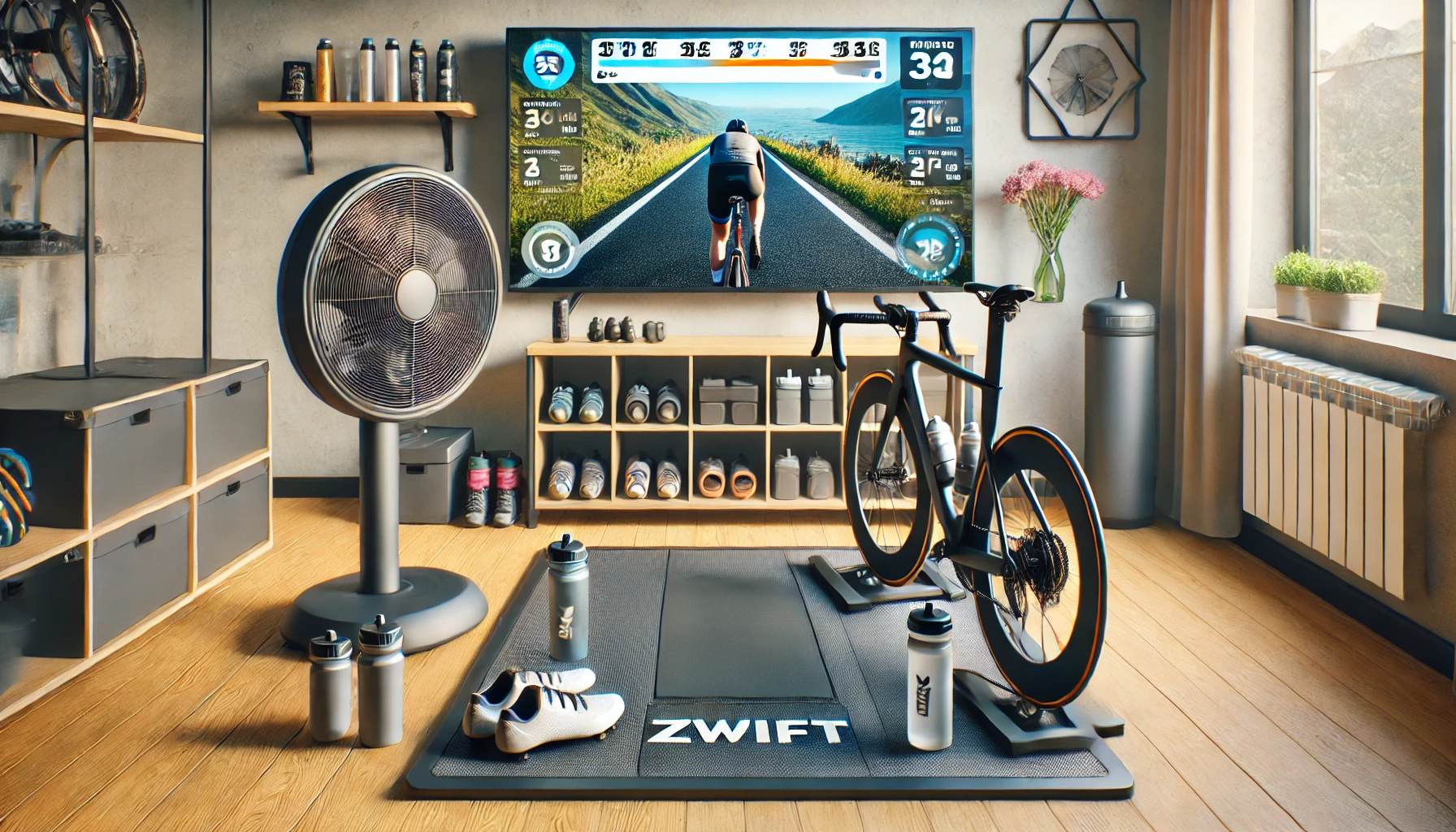
Smart trainers, like the Wahoo Kickr, are the gold standard for indoor cycling. These trainers automatically adjust resistance based on your workout or virtual terrain, making your sessions more engaging and realistic. Paired with apps like Zwift, smart trainers offer immersive experiences, from structured workouts to virtual races and group rides. If you’re serious about indoor training, investing in a smart trainer can make a massive difference in both motivation and performance tracking.
Fans
Given how much you sweat while training indoors, a fan is essential to keep you cool and comfortable. A strong, well-placed fan will help simulate the cooling effects of outdoor riding and prevent overheating. Ideally, place the fan in front of you and set it to high power for the best results. Some riders use multiple fans to cover different angles.
Entertainment
Let’s be honest, indoor training can get boring if you don’t have the right distractions. Setting up a tablet, monitor, or TV in front of your trainer can help pass the time and keep you engaged. Whether it’s watching a movie, following a training session on YouTube, or racing virtually on Zwift, entertainment will make long sessions feel more manageable.
Entertainment tips:
- Install a tablet or phone mount on or near your handlebars for easy access
- Use wireless headphones to listen to music, podcasts, or virtual rides without being tied down by cords
- Subscribe to a cycling training app like Zwift for structured workouts and virtual riding experiences
Making indoor cycling more enjoyable
Indoor riding doesn’t have to be a slog. With the right approach, you can make it something you look forward to rather than dread. Here are some ways to make your indoor training more enjoyable.
Mix up your workouts
One of the biggest challenges with indoor training is monotony. Doing the same kind of ride every day can lead to burnout. Keep things interesting by mixing up your workouts. Alternate between intervals, endurance rides, sweetspot training, and FTP sessions. Variety will help keep your motivation high and your fitness progressing in different areas.
Join virtual races or group rides
One of the best ways to inject some excitement into indoor training is by joining virtual races or group rides on platforms like Zwift. These apps simulate real-world riding, allowing you to compete against other cyclists or ride with a group on virtual roads. The social aspect adds accountability and makes your rides feel more like outdoor experiences.
Set clear goals
Setting clear goals can give your indoor training a sense of purpose and direction. Whether it’s increasing your FTP, completing a virtual challenge, or simply sticking to a weekly schedule, having something to work toward will help you stay motivated. Break down your bigger goals into smaller, manageable milestones, and track your progress regularly.
Music or podcasts
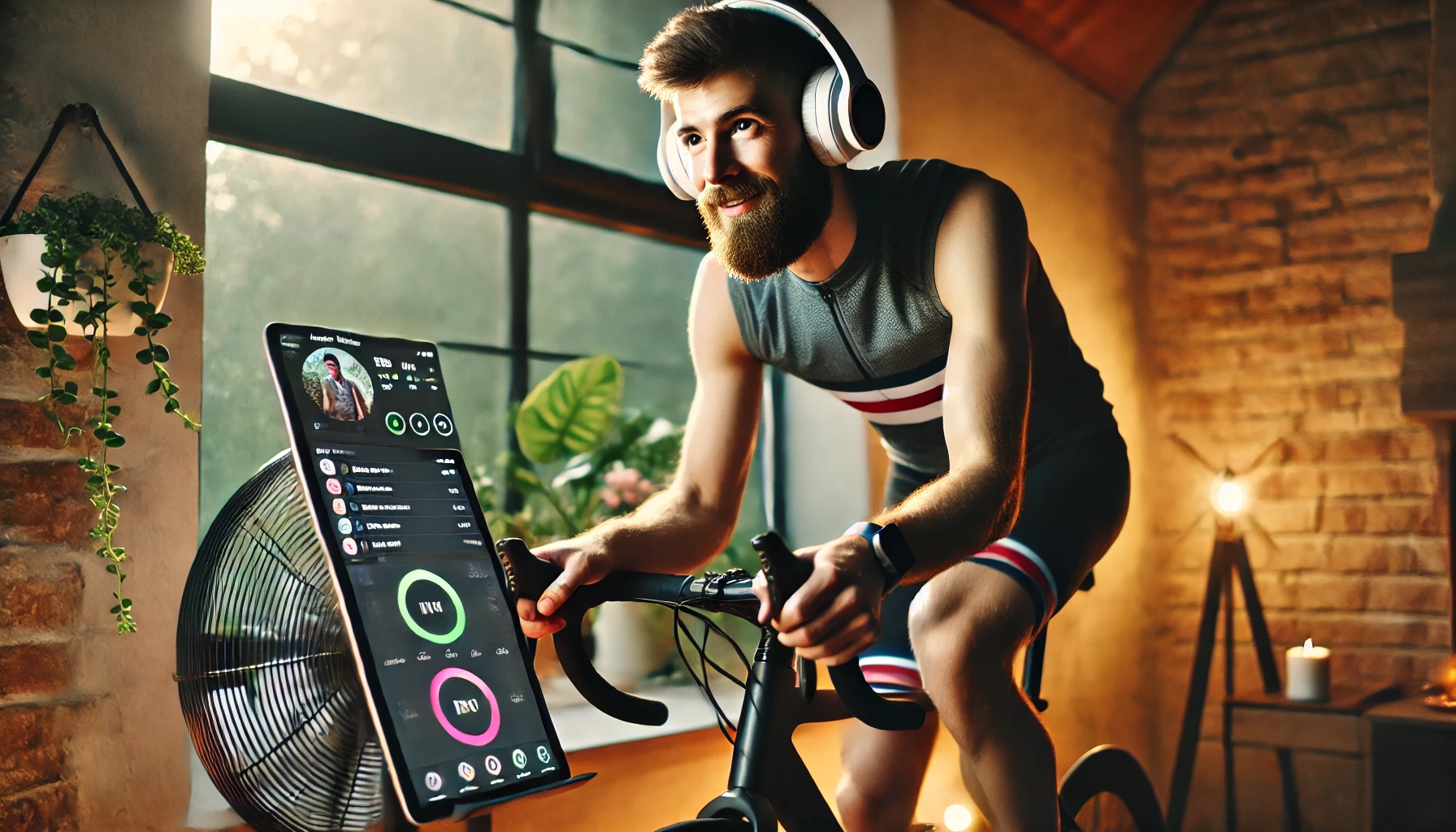
Good tunes can make all the difference during a tough indoor session. Create a high-energy playlist to get you through hard intervals, or listen to an engaging podcast during a longer, steadier effort. Audio distractions can make the time fly by and help you get into the zone.
Tips for enjoying indoor cycling:
- Use upbeat music for intervals and sprints
- Listen to podcasts or audiobooks for long, steady rides
- Invest in a good pair of wireless headphones to stay comfortable and focused
Summary
Use the winter to train with purpose, manage fuelling and recovery, and build consistent habits that support your return to outdoor riding. If you would like help shaping an indoor plan around your goals and available time, Book a Free Consultation.